
AI Startup Micro1 Seeks to Topple Google’s Bid for Spirit Data
Source: Bloomberg
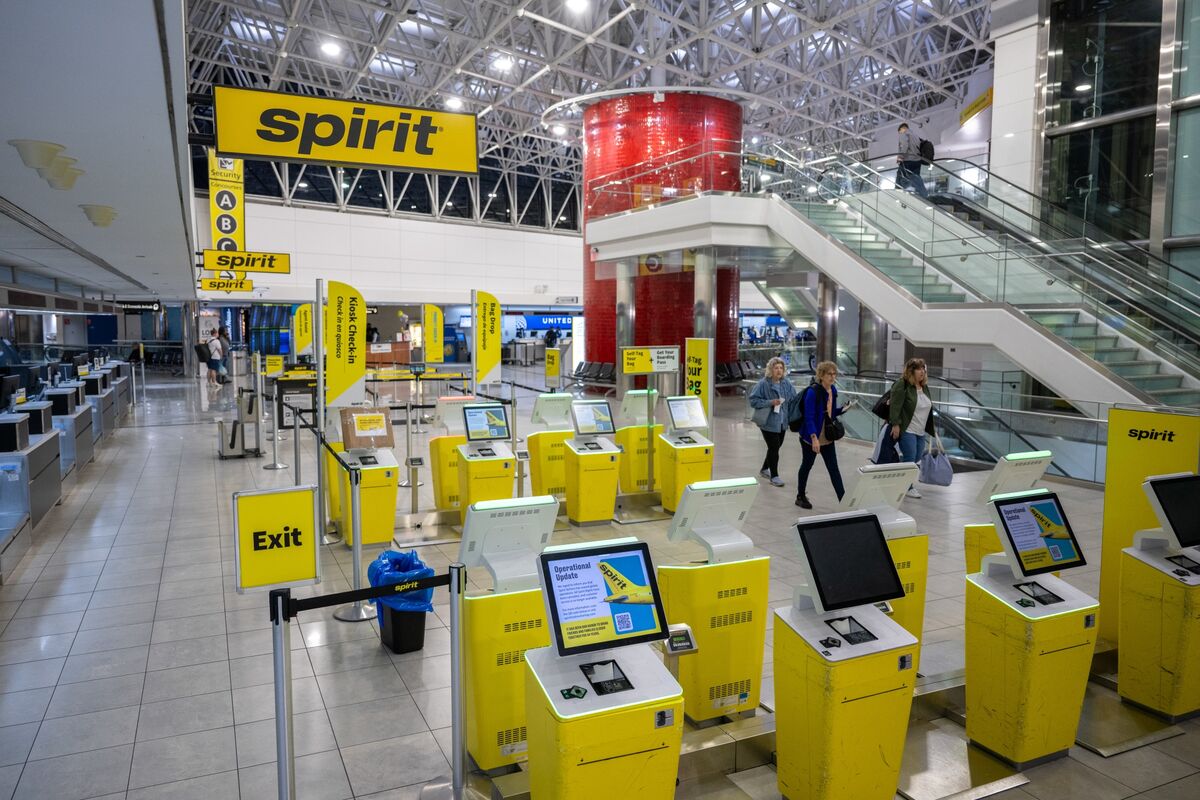
AI startup micro1 is seeking to overturn Google’s bid to acquire Spirit Airlines records, offering $12.5 million for a database including 500 million Microsoft Teams items, 100 million emails, and ~16 million customer chat sessions. The filing also cites operational data and other internal information generated before Spirit went bankrupt this year. Impact is likely more litigation/competitive than directly financial, with limited immediate market-wide effects.
Analysis
This is less about the specific records and more about who gets to buy, warehouse, and repurpose distressed enterprise data in the AI era. The near-term P&L impact for GOOGL/MSFT is negligible; the real exposure is legal precedent that could either raise the cost of sourcing proprietary datasets or normalize it as a competitive moat. If courts lean toward tighter control, AI training and commercial dataset aggregation become more expensive and slower, which is a mild multiple headwind for the hyperscalers and model vendors with the largest data appetites.
For Microsoft, the direct earnings read-through is essentially zero, but the presence of Teams artifacts in the estate highlights how enterprise collaboration tools create sticky data gravity. That is a subtle positive for MSFT’s platform lock-in over 6-18 months if customers conclude the data governance burden makes switching even harder. The second-order risk is regulatory scrutiny: the more visible these auctions become, the easier it is for plaintiffs and regulators to argue that enterprise data should not be treated like ordinary bankruptcy inventory.
The market may be overpricing the immediate headline and underpricing the precedent risk. Over days, this is mostly a legal-news trade; over 1-3 months, docket outcomes and any injunction matter more than the auction value; over 6-18 months, the issue becomes whether AI firms face higher data-acquisition friction and disclosure costs. A ruling that validates the sale would actually be constructive for GOOGL’s broader AI strategy, so the bearish case is contingent on a court narrowing data-transfer rights rather than simply changing the winning bidder.
AllMind Terminal
AI-powered research, real-time alerts, and portfolio analytics for institutional investors.
Request TrialMarket Sentiment
Overall Sentiment
neutral
Sentiment Score
-0.05
Ticker Sentiment
Key Decisions for Investors
- No standalone MSFT position: treat as a watch item unless there is evidence the dispute expands into platform data-liability or enterprise compliance costs; current expected value is too small to matter to earnings.
- For a tactical legal-headline hedge, consider a short-dated GOOGL put spread 1-3 months out (about 5% OTM to 10% OTM) only if the court schedule tightens; risk/reward is attractive if precedent risk widens, but theta is high if the case stalls.
- Relative-value idea: short GOOGL vs long MSFT for 4-8 weeks if you expect the market to penalize AI data-acquisition optionality more than enterprise-software lock-in; stop if the court signals a permissive view on data transfer.
- Set a catalyst alert on the next docket decision or injunction request: if the court allows the sale without material restrictions, cover any GOOGL bearish hedge quickly because the ruling likely de-risks broader AI data sourcing, not just this case.
- If you want a cleaner expression, stay out of single-name positioning and trade the event as a volatility scalp only; the fundamental impact is too small to justify a high-conviction directional bet absent a broader antitrust or data-rights ruling.
More News
- Jim Cramer: Why I am taking the other side of the trade that crushed the market Friday
- Microsoft reportedly quits Nscale’s UK data centre weeks before its IPO
- Data Centers Have a New PR Plan: Your Kid’s Field Trip
- The Bond Market Is Sending a Warning to Nvidia Shareholders
- These 3 Green Stocks Have a Growth Story That Goes Far Beyond Washington
- Max Wasserman Stays Long-Term Bullish on AI; Likes GOOGL, MSFT, AVGO