
Malteurop erwirbt die Mälzerei der Chunlei Malting Co. - Eine strategische Investition, die das Geschäft des Unternehmens erheblich ausweitet und seine Position auf den Exportmärkten stärkt
Source: PR Newswire
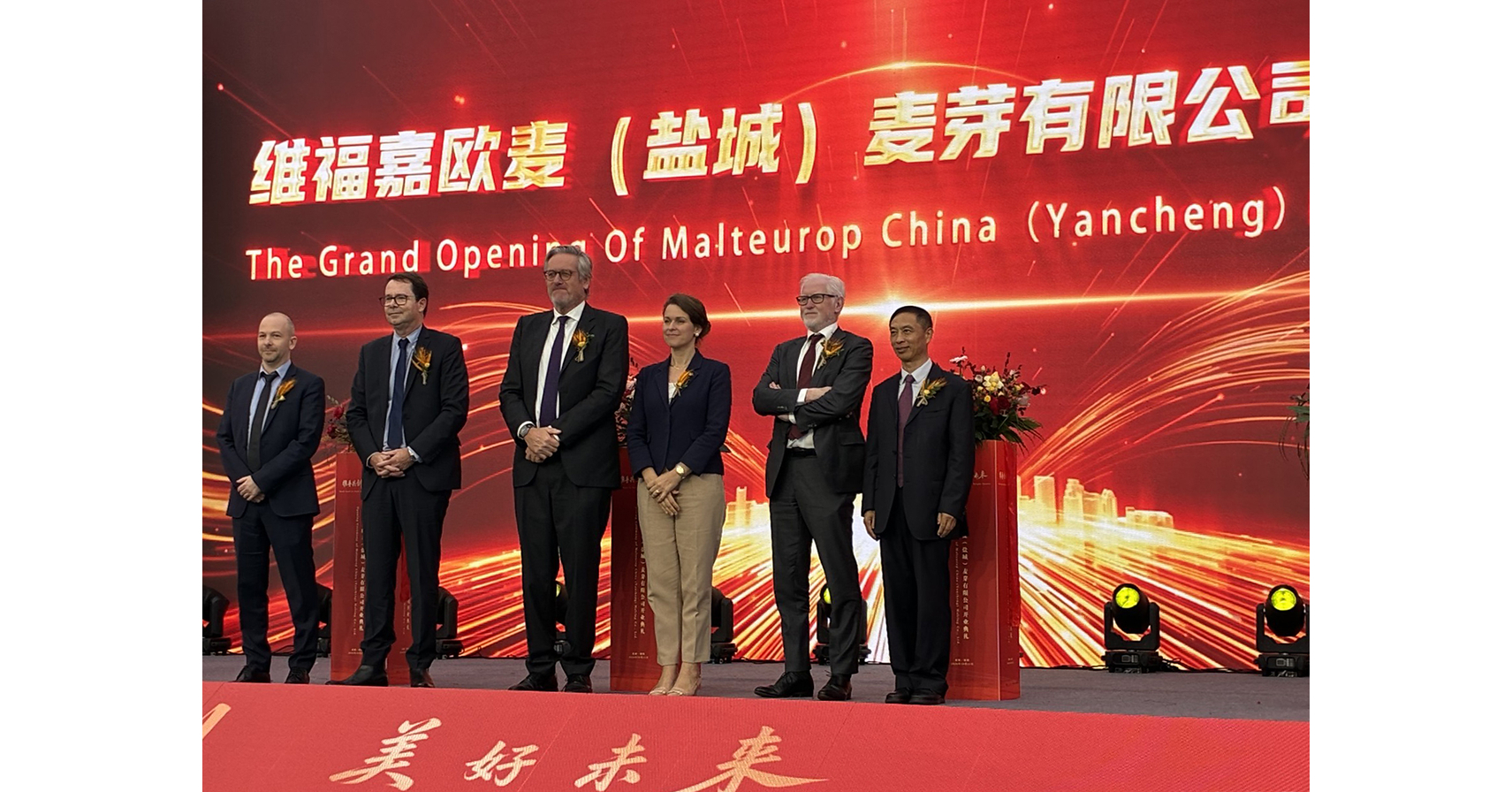
Malteurop completed its acquisition of Chunlei Malting’s plant near Yancheng, China, in summer 2026, adding annual malt capacity of 220,000 tonnes—enough for 2 billion liters of beer. The deal expands Malteurop’s production and logistics presence to serve Chinese breweries and export markets; the plant uses heat from 100% locally sourced biomass alongside renewable electricity. VIVESCIA said further capacity investments may follow, but disclosed no transaction value.
Analysis
The investable implication is not the headline capacity figure but whether the new asset wins dependable volume without depressing malt economics. If operated at high utilization, additional Jiangsu supply could improve service and freight economics for nearby breweries and export customers, while pressuring regional maltsters through tighter pricing and customer retention. That is a conditional risk, not yet evidence of market-share gains: the release provides no purchase price, utilization, customer commitments, or China market-size denominator. VIVESCIA and Malteurop are privately held/cooperative, so there is no direct listed-equity exposure to buy. Any benefit to brewers is also unproven; cheaper or more reliable malt matters only if savings accrue to them rather than being competed away.
Near term, likely limited market impact absent a disclosed financial contribution. Over 1–3 months, verify transaction economics, ramp schedule, customer contracts, and whether export volumes are actually secured. Over 6–18 months, utilization and delivered-cost performance determine whether this is a durable competitive advantage or merely added capacity. The low-carbon process could help with customer procurement requirements, but biomass sourcing, seasonality, and logistics may offset energy or emissions benefits. Cross-border trade friction or regulatory changes could also constrain exports or foreign-owned operations. The contrarian point: “capacity” is not output, and future expansion could worsen industry overcapacity before premiumization lifts demand. No directional public-equity trade is justified on this announcement alone.
AllMind Terminal
AI-powered research, real-time alerts, and portfolio analytics for institutional investors.
Request TrialMarket Sentiment
Overall Sentiment
moderately positive
Sentiment Score
0.55
Key Decisions for Investors
- No immediate trade: Malteurop/VIVESCIA are not listed, and the announcement lacks price, utilization, and earnings-impact data needed to underwrite a public-equity proxy.
- Set a 1–3 month diligence alert for disclosed purchase consideration, ramp timing, customer contracts, and export volumes; treat capacity claims as unverified until actual production is reported.
- Monitor regional malt pricing and utilization for evidence of pressure on competing suppliers; consider a relative-value position only if pricing weakens while the new plant demonstrates sustained output.
- Reassess the competitive thesis if the facility ramps slowly, export access is restricted, or biomass supply/logistics undermine delivered costs; stronger-than-expected utilization and repeat capacity investment would support the opposite conclusion.
More News
- AI Doubts Spread Cracks in Equities, Credit Markets: Evening Briefing Americas
- US-Iran war, then and now: How the landscape has changed since February
- With earnings in rearview mirror, SpaceX-Tesla merger chatter takes center stage
- Energy markets are adapting to the Iran war as a ‘forever conflict’ while oil producers keep supplies flowing and avoid ‘mutually assured destruction’
- Apple’s $2,000 iPhone Duo Debuts With Limited Supply
- Are global oil reserves sufficient to withstand renewed US-Iran war?