
Non-Invasive Flow Measurement Technology: Optimizing Complex Process Infrastructure via the DT-TDS 200 Series Ultrasonic Flow Meters from Drive Test GmbH
Source: PRWeb
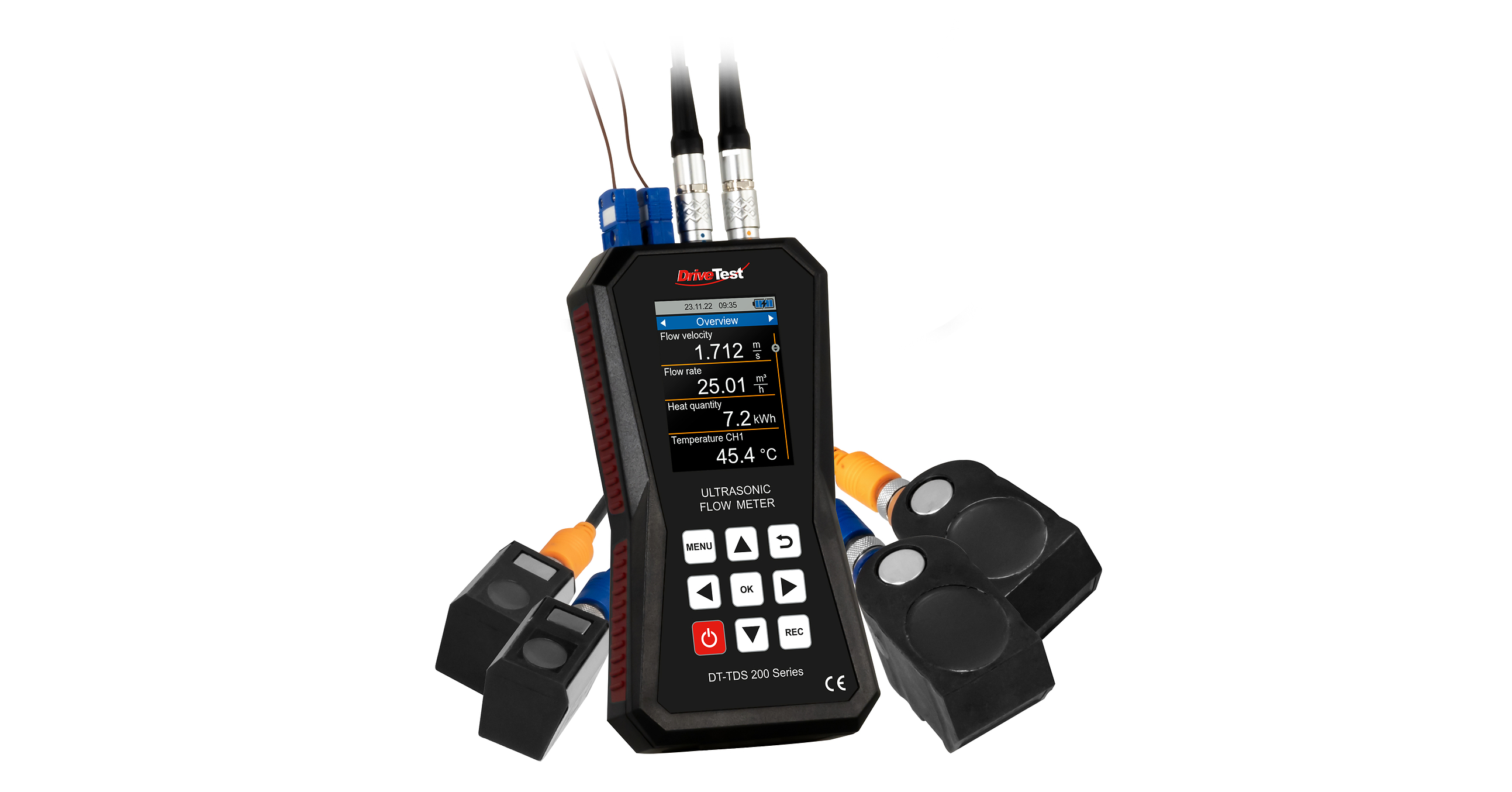
Drive Test GmbH highlights its DT-TDS 200 portable clamp-on ultrasonic flowmeter, which measures flow without pipe modification or process interruption. Depending on transducer setup, it covers nominal pipe diameters from DN 15 to over DN 6000 and operates across fluid temperatures of -30°C to 160°C. The product also supports data logging and, with paired RTD sensors, thermal-energy measurement; the article provides no sales, earnings, or market reaction data.
Analysis
This is a low-signal product announcement, not evidence of a material earnings inflection for Drive Test GmbH or the broader instrumentation sector. The investable mechanism is whether portable, non-invasive diagnostics reduce the cost and friction of plant audits enough to accelerate measurement upgrades and energy-efficiency projects. If validated at customer sites, that could modestly favor suppliers with broad instrumentation, controls, and service ecosystems—such as Emerson and Siemens—over standalone devices, because diagnostic readings can feed into larger control-system and maintenance contracts. That is a conditional competitive hypothesis, not a demonstrated displacement of installed flowmeters.
The adoption ceiling is important: clamp-on measurements depend on installation quality and pipe/fluid conditions, and the release itself limits reliable use to relatively homogeneous liquids with low gas and particulate content. Plants are also unlikely to replace fixed meters solely on the basis of a portable diagnostic instrument. The most plausible near-term use is periodic verification, troubleshooting, and HVAC balancing; any structural benefit would require repeat deployments, channel access, and independently validated accuracy—not merely product specifications.
Over days, there is no clear public-market catalyst or basis for a sector trade. Over 1–3 months, watch for third-party test results, named customer deployments, distribution agreements, and evidence of paid adoption. Over 6–18 months, the relevant signal is whether energy-audit and retrofit spending converts into recurring instrumentation or software/service revenue. The contrarian point: the operational case may be real while the equity implication remains negligible, especially absent disclosed sales, pricing, or installed-base data.
AllMind Terminal
AI-powered research, real-time alerts, and portfolio analytics for institutional investors.
Request TrialMarket Sentiment
Overall Sentiment
mildly positive
Sentiment Score
0.20
Key Decisions for Investors
- No trade on this announcement alone; Drive Test GmbH is not linked to a supplied ticker, and the release provides no revenue, order, pricing, or customer evidence.
- Track Emerson and Siemens only as potential ecosystem beneficiaries, not confirmed winners; look for evidence that portable diagnostics lead to follow-on fixed instrumentation, controls, or service orders.
- Treat independent accuracy validation and paid multi-site deployments as the key 1–3 month confirmation points. Until then, regard performance and lifecycle-savings claims as company-reported.
- Falsify the adoption thesis if field tests show materially poorer repeatability across pipe materials or operating conditions, or if customer references remain limited to one-off audits without follow-on purchases.
More News
- American embassies tighten security as Iran threat warnings intensify ahead of U.S. midterm elections
- Iran says won’t allow US warships to get close as Trump ponders new attacks
- Nvidia's role as AI financier faces first big test as neoclouds take market hit
- Here’s the ‘core economic flaw’ in the AI bull case as stock and bond trades unravel, according to a top economist
- Trump set to announce plan by Audi to build a U.S. factory in Georgia, source says
- AI funding fears rattle Wall Street. Here's how we're adjusting our portfolio