
A Hard Winter War is Coming in Russia Too, Not Just Ukraine
Source: Bloomberg
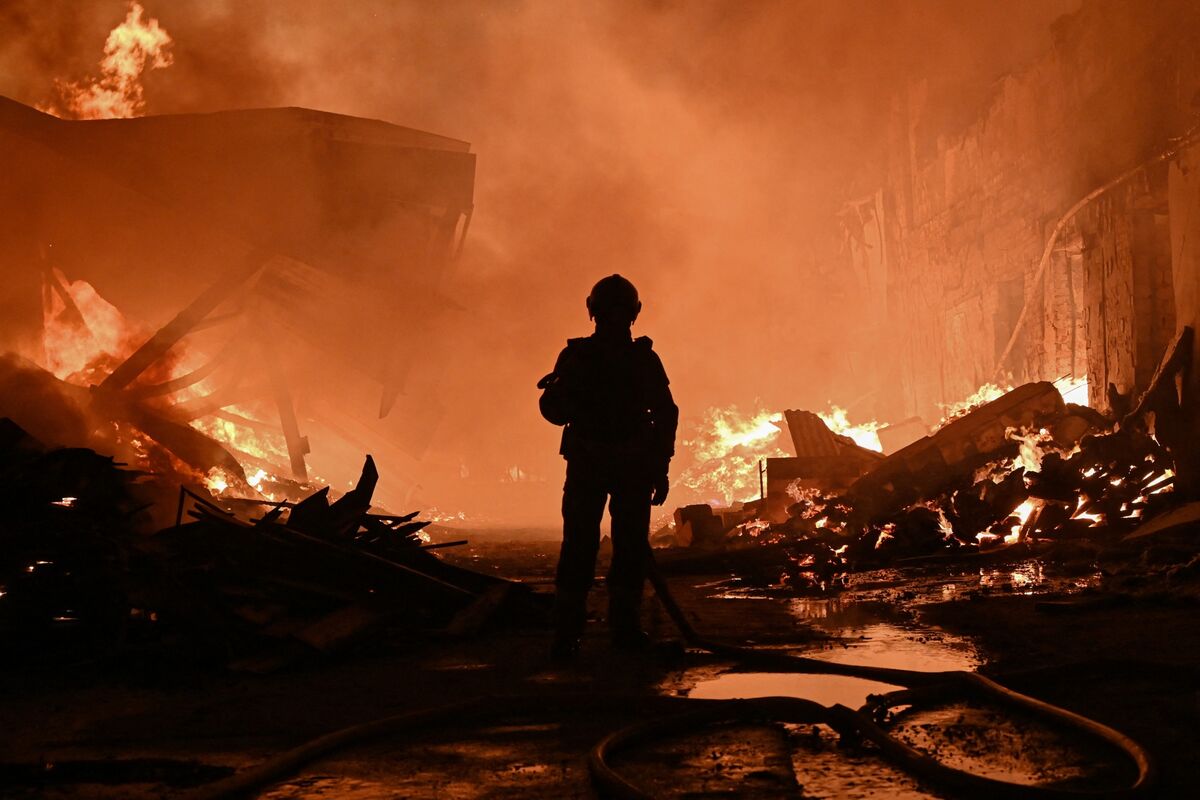
The article says losses among Putin’s forces are staggering and unsustainable, while noting Putin’s effort to portray Russia’s economy as resilient and its military goals as on track. The excerpt provides no casualty figures, economic data, or specific market reaction.
Analysis
The investable signal is not a near-term Russian economic break; it is a wider distribution of geopolitical outcomes. If battlefield attrition or winter logistics materially constrain Moscow, pressure for negotiation could eventually reduce the risk premium in European assets and energy. But a weakening position could instead raise escalation risk, including threats to energy infrastructure or tighter export controls. Those paths point in opposite directions for crude, European gas, and defense stocks, so the article alone does not establish a directional trade. It provides no casualty, production, fiscal, or logistics data with which to test the claim of unsustainability. Over days, rhetoric and battlefield developments may move headline-sensitive instruments; over 1–3 months, watch for independently corroborated changes in force generation, energy export volumes, sanctions enforcement, or negotiating positions. Over 6–18 months, sustained pressure would matter more if it impaired fiscal capacity or military replenishment. Russia’s ability to redirect energy exports and absorb costs could delay or blunt that transmission. A verified ceasefire or stable export flows would weaken the risk-premium thesis; confirmed supply disruption or sharper escalation would invalidate a complacent de-escalation view.
AllMind Terminal
AI-powered research, real-time alerts, and portfolio analytics for institutional investors.
Request TrialMarket Sentiment
Overall Sentiment
mildly negative
Sentiment Score
-0.30
Key Decisions for Investors
- No standalone directional trade: the article is an assertion without supporting data, and the plausible outcomes are divergent.
- Treat Brent crude and European natural-gas exposure as event-risk hedges, not as a thesis-driven position; reassess only if export flows, infrastructure damage, or sanctions enforcement provide confirmation.
- Monitor European defense shares for a relative-strength opportunity if a prolonged conflict raises procurement expectations; do not infer contract revenue from battlefield claims alone.
- Set alerts for verified changes in Russian energy exports, fiscal receipts, force replenishment, and ceasefire terms. A sustained improvement in those indicators would falsify the attrition-driven pressure thesis; material deterioration would strengthen it.
More News
- Explosions hit Iran’s Qeshm Island as US media report US strikes in Hormuz
- Oil price falls amid hope of a breakthrough to end Iran war
- Oil Prices Retreat, Apple Results on Deck
- U.S. reportedly strikes Iran's Qeshm Island as Vance hopes for ‘negotiated settlement’ with Tehran
- Reliance’s Record $19 Billion Surge Lifts Nifty, Keeps India Bulls in the Game
- US urges Venezuela to follow phased plan for democratic transition