
Spirox Launches High-Speed TGV Crack Inspection System to Support High-Volume Glass Substrate Inspection
Source: PR Newswire
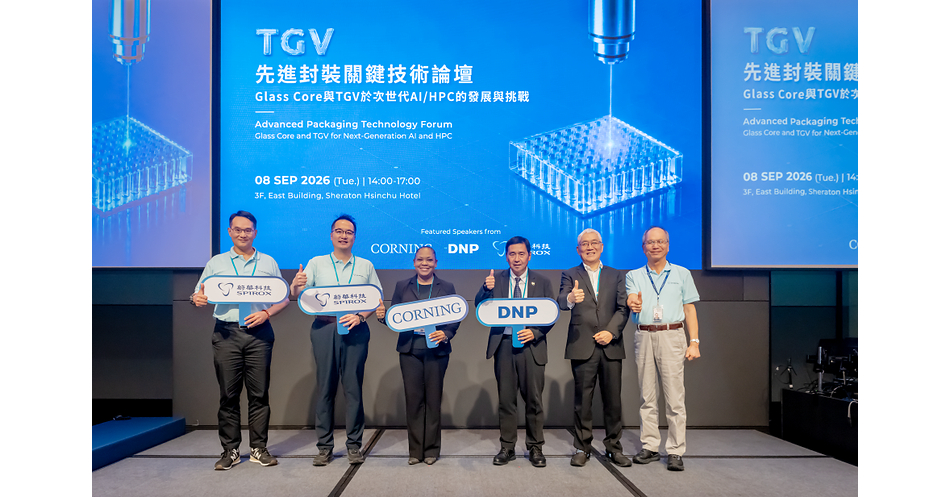
Spirox launched the SP7000G High-Speed TGV Crack Inspection System for high-volume glass-core and through-glass-via (TGV) semiconductor packaging. The system scans a 510 mm × 515 mm glass substrate in under 20 minutes, detecting internal microcracks after metallization and ABF build-up to improve yield and process control. The launch targets growing AI, HPC and HBM packaging demand, while complementing Spirox's existing SP8000G inspection platform.
Analysis
The investable implication for GLW is indirect and long-dated: broader adoption of glass-core/TGV architectures would expand the addressable market for high-specification glass substrates, but inspection-tool availability is primarily an enabler rather than evidence of substrate volume demand. The key economic inflection is yield: if non-destructive metrology materially reduces post-metallization scrap, glass can become more competitive with organic substrates in large AI packages. That would strengthen GLW's strategic position against alternative substrate-material suppliers, but it is unlikely to affect consolidated earnings before qualified production ramps translate into recurring substrate orders.
Near term, the more direct beneficiaries are advanced-packaging inspection and process-control vendors, including Taiwan-listed Spirox (3055), while established semiconductor metrology names such as KLAC and ONTO could enter the workflow if glass-core production moves beyond specialized tools. The competitive risk to Spirox is that an early niche position does not necessarily convert into volume share: OSATs and substrate makers may require factory-wide defect-data integration, service capacity, and tool-to-tool reproducibility before standardizing a platform. Management commentary, rather than the launch itself, should be treated as insufficient evidence of customer qualification or backlog.
Over the next 1-3 months, GLW may receive modest thematic support from AI-packaging headlines, but the market should demand disclosed customer wins, qualification milestones, or capex commitments from Intel, TSMC, Samsung, ASE, Amkor, or glass-substrate suppliers. Over 6-18 months, a sustained glass-core ramp could support a multiple re-rating for GLW only if it demonstrates that substrate content and margins are incremental to its existing specialty-materials base. The contrarian view is that glass-core commercialization may remain yield- and reliability-constrained longer than expected; inspection intensity can rise even while end-market substrate volumes remain low.
AllMind Terminal
AI-powered research, real-time alerts, and portfolio analytics for institutional investors.
Request TrialMarket Sentiment
Overall Sentiment
moderately positive
Sentiment Score
0.42
Ticker Sentiment
Key Decisions for Investors
- No immediate directional GLW trade: the identified earnings linkage is too indirect for a product-launch-driven position. Add GLW to an AI-packaging watchlist and require evidence of customer qualification, dedicated substrate capacity, or explicit glass-core revenue guidance before underwriting a 6-18 month long.
- For existing GLW exposure, treat AI-packaging optimism as upside optionality rather than a near-term earnings catalyst; reduce incremental risk if the stock materially outperforms SOXX without corresponding disclosed specialty-materials orders or margin guidance.
- Monitor KLAC and ONTO for incremental advanced-packaging metrology orders over the next 2-4 quarters. A disclosed glass/TGV inspection design win or advanced-packaging backlog acceleration would be a more actionable confirmation of factory adoption than this announcement.
- Falsification trigger for the glass-core thesis: continued qualification delays, weak advanced-packaging capex at OSATs/foundries, or reliability/yield disclosures indicating that inspection identifies defects without improving usable-panel yield. Any of these would push meaningful substrate demand beyond the current 6-18 month framework.
More News
- Next week brings major risks for the stock market, just as the AI trade keeps faltering
- We're exiting our position in this chipmaker and right-sizing another winner
- The AI Bottleneck Takes Many Forms. These 7 Stocks Will Benefit.
- AI Doubts Spread Cracks in Equities, Credit Markets: Evening Briefing Americas
- Kinder Morgan, Energy Transfer and Williams could benefit from cheap natural gas
- CrowdStrike CEO's alarming prediction — plus, the sell-off spreads beyond tech
From AllMind Research
- Anthropic IPO Preview: Valuation, Timing, and What to Watch
- Shein After the IPO: Venue, Valuation, and What Must Be Proved
- What AI Research Tools Should a Small Hedge Fund Buy First?
- Best AI Stock Research Tools for Professional Investors
- Weekly Update: Adding Live MBO Level 3 Data - Liquidity Heatmap, OFI Charts, and More