
Neue Führungskräfte im Vertriebsbereich bei Neuromod
Source: PR Newswire
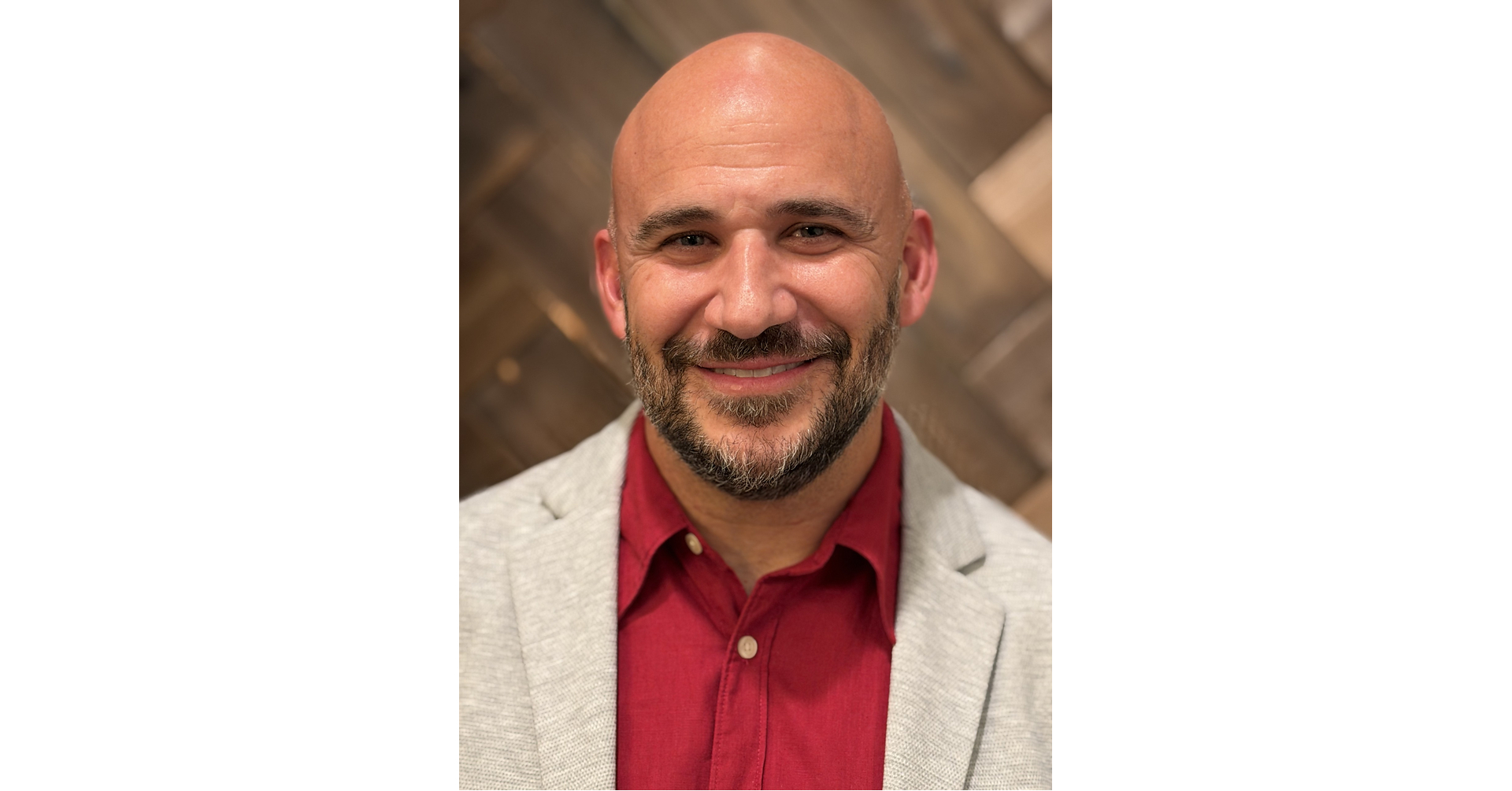
Neuromod Devices appointed former Align Technology executive Joe Ghiz as chief commercial officer to lead global sales expansion for its Lenire tinnitus-treatment device, and hired former Sonova executive Shannon Basham as VP of Channel Development. The company is strengthening commercial leadership as Lenire, which has FDA De Novo authorization and CE marking, expands across the US, Canada, Europe and Australia. Neuromod cites a global tinnitus population of 740 million and says Lenire has already treated tens of thousands of patients.
Analysis
There is no direct public-equity read-through: Neuromod is private, and the personnel moves do not alter ALGN or JNJ earnings power. For ALGN, the departure is more a reminder that experienced provider-channel executives are portable across elective, practice-driven medtech categories than a measurable operational risk; any incremental key-person concern is immaterial absent evidence of broader commercial attrition or weaker doctor utilization trends. SOON faces only a marginal talent-loss and channel-overlap risk, not a near-term revenue threat.
The investable question is whether a prescribed tinnitus device can overcome the two bottlenecks that have constrained adjacent audiology technologies: reimbursement and clinician workflow economics. Commercial leadership with dental/audiology channel experience could improve clinic onboarding and direct-to-patient conversion over 6-18 months, but company claims of category creation should be discounted until independent evidence emerges in paid utilization, repeat referral rates, VA adoption, and payer coverage. If the device gains reimbursement, it could modestly divert discretionary audiology visits and patient wallet from hearing-care ecosystems; without it, provider enthusiasm is unlikely to translate into scalable unit economics.
Consensus should not treat an FDA-cleared, clinically supported device as synonymous with commercial adoption. Tinnitus is a heterogeneous condition with subjective outcome measurement, and home-use adherence, clinician time, and out-of-pocket pricing can produce a much slower ramp than management hiring implies. A meaningful competitive implication for listed hearing-care companies would require evidence that tinnitus-focused referrals reduce hearing-aid attachment or shift clinic purchasing behavior, neither of which is currently visible.
AllMind Terminal
AI-powered research, real-time alerts, and portfolio analytics for institutional investors.
Request TrialMarket Sentiment
Overall Sentiment
mildly positive
Sentiment Score
0.38
Ticker Sentiment
Key Decisions for Investors
- No directional trade in ALGN, JNJ, or SOON on this announcement; expected financial impact is de minimis relative to each issuer's revenue base.
- Create a 1-3 month monitor for SOON: look for evidence of US audiology-channel disruption, including unusual clinician turnover, weaker Phonak/Unitron training engagement, or commentary on tinnitus-device competition. Absent such data, do not short SOON.
- For a potential 6-18 month private-market/sector thesis, track Neuromod clinic-network additions, VA utilization, payer reimbursement decisions, treatment completion rates, and realized patient acquisition cost. Reimbursement wins plus sustained provider referrals would validate a tinnitus-device category; failure to show paid-volume growth despite expanded distribution would falsify it.
More News
- Mark Ruffalo says Paramount’s $111 billion Warner Bros. deal ‘Will stifle creativity, weaken free speech, and cost people their jobs’
- David Ellison says combined Paramount and Warner Bros. Discovery will be named Skydance
- Anthropic warns government attitudes may hurt customer ties, IPO prospectus shows: Reuters
- Paramount’s Warner Bros. megamerger will just be called Skydance
- David Ellison goes minimalist with his new name for his Paramount-Skydance-Warner-Bros-Discovery empire
- Your health insurance premiums may take a big jump in 2027 — here's why