
Dow holds steady as Nasdaq falls 1.24% on AI stocks, oil surge
Source: invezz.com
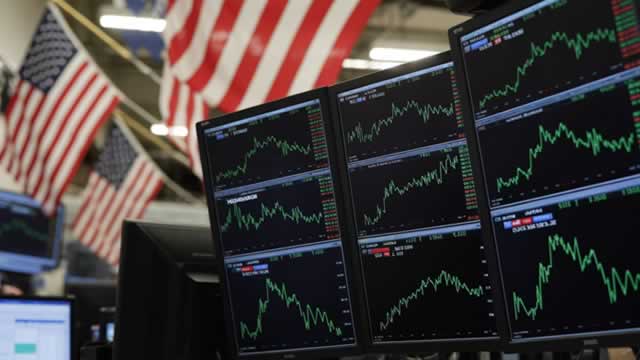
US stocks ended mixed Thursday as pressure on AI stocks and rising oil prices heightened inflation concerns. The Nasdaq Composite fell 1.24% to 27,197.10, its steepest decline among major indexes, while the S&P 500 lost 0.46% to 7,765.70.
Analysis
The key transmission is the interaction between oil and long-duration equity exposure: if energy strength lifts inflation expectations or delays rate relief, AI-linked growth multiples can face pressure even without any change in near-term earnings. A second-order risk is factor de-grossing: crowded growth positions may be cut alongside otherwise unrelated holdings, widening losses beyond companies with direct AI exposure. Conversely, sustained higher crude could support energy equities while raising input costs for transport, chemicals, and other fuel-sensitive businesses.
Near term (days), this could remain a positioning and volatility event rather than a change in fundamentals. Over 1–3 months, the test is whether crude strength passes through to inflation data, rate expectations, and equity breadth. Over 6–18 months, the more durable AI question is whether revenue and productivity gains validate the investment and valuation burden; a one-session decline does not answer it.
Contrarian read: the move may be an overreaction to factor concentration if oil does not persist and AI earnings expectations remain intact. The article provides no crude-price level, Treasury-yield move, breadth, or company-level exposure, so attribution and conviction are limited.
AllMind Terminal
AI-powered research, real-time alerts, and portfolio analytics for institutional investors.
Request TrialMarket Sentiment
Overall Sentiment
mildly negative
Sentiment Score
-0.25
Key Decisions for Investors
- Avoid treating this session alone as a reason to reduce all AI exposure. Track Treasury yields, inflation expectations, market breadth, and revisions to AI-related revenue or capex guidance; deterioration across these measures would strengthen the de-risking case.
- Watch for a conditional relative-value setup: if crude remains firm and rate expectations reprice higher, consider reducing QQQ exposure against energy exposure such as XLE. Do not initiate solely on this report; the thesis weakens if crude retreats, yields stabilize, or growth leadership broadens.
- For the next 1–3 months, monitor inflation releases and central-bank rate pricing as the catalyst path. A reversal in oil or no pass-through to inflation would argue against extrapolating this risk-off session.
- No outright index or options trade is warranted from the information supplied: oil magnitude, rates, positioning, and earnings revisions are missing. Treat a renewed decline accompanied by worsening breadth and upward yield pressure as an alert; a rebound with stable yields would falsify the immediate macro-stress thesis.
More News
- Trump vows quick end to Iran war as fighting in Yemen intensifies
- Trump's diesel agreement with Putin accused of contradicting Russia sanctions law
- Israel’s economy prospers despite years of war, but prices worry voters
- Verizon stock heads for worst day since 2002 as SpaceX U.S. network plans whack telcos
- Trump reaches Russian diesel supply deal as U.S. fuel prices surge
- French yields are near levels not seen since 2002. Why that could give U.S. Treasurys a boost