
HUAWEI WATCH D3, ESC Kongresi 2026'da Erken Bir Tanıtımla Piyasaya Çıktı: Bilekten Kan Basıncı Ölçümünde Yeni Bir Dönem
Source: PR Newswire
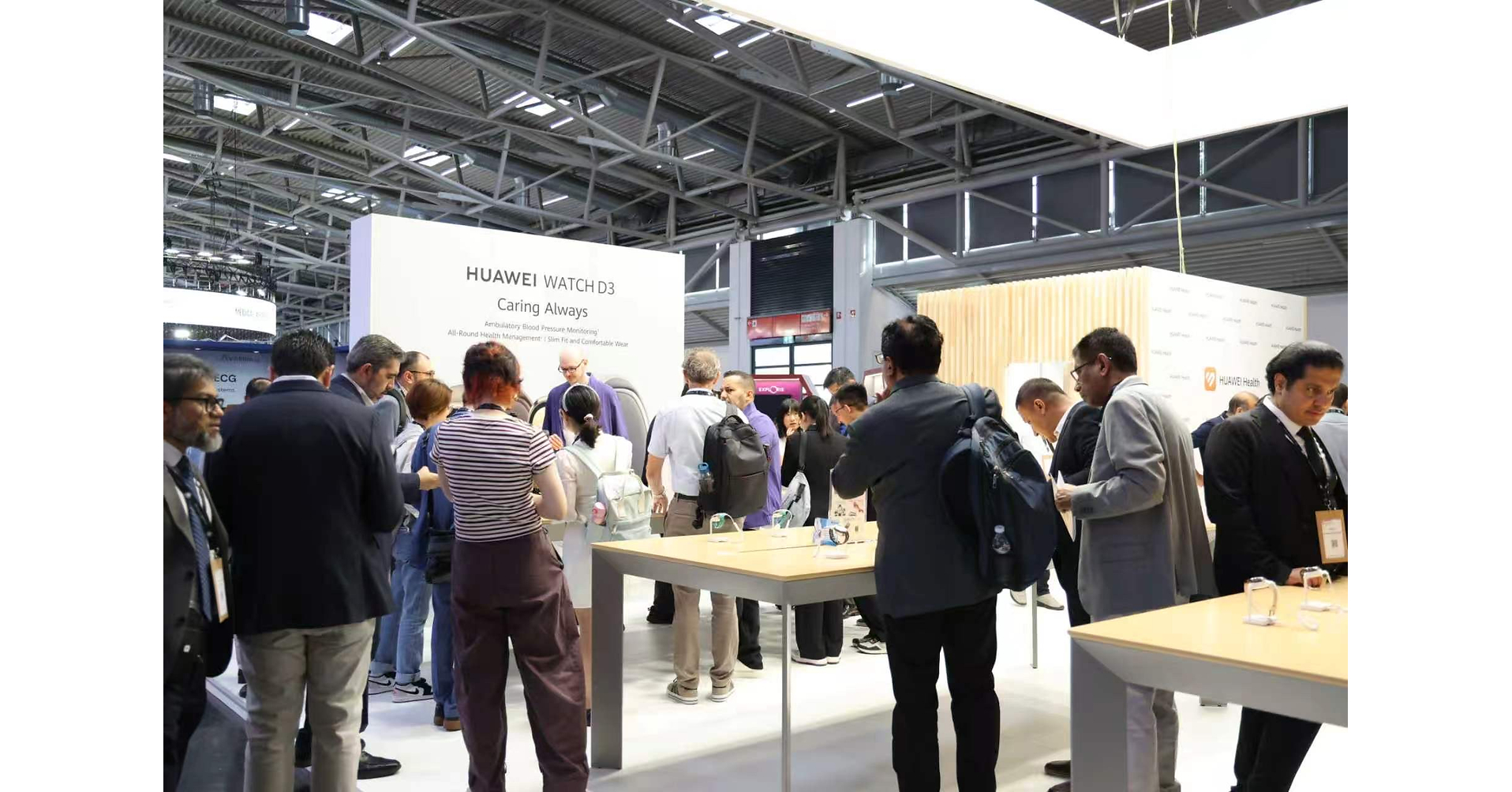
Huawei, ESC Kongresi 2026 başlangıcında yeni nesil bilekten ambulatuvar kan basıncı ölçüm saati HUAWEI WATCH D3’ü erken tanıttı; 2 Eylül’de Münih’te yapılacak Huawei Yenilikçi Ürün Lansmanı etkinliğinde resmi olarak piyasaya çıkması bekleniyor. Cihazın, yüksek kalp hızlarında ölçüm doğruluğu ve egzersiz öncesi/sonrası kan basıncı takibi gibi özellikleri öne çıkarken, AB’de CE MDR sertifikasına (tek seferlik ölçüm ve ambulatuvar izleme dahil) sahip olduğu belirtiliyor. Haber, tıbbi seviye giyilebilir sağlık teknolojisinde ürün hattı devamlılığını vurguluyor ancak fiyat/teknik detaylar ve finansal sonuçlar paylaşılmadığı için sınırlı piyasa etkisi beklenir.
Analysis
This is less a company-specific revenue event than a signal that clinical-grade sensing is becoming table stakes in premium wearables. That raises the bar for every OEM: the winners are the firms with enough scale to absorb certification, calibration, and software-validation costs, while subscale trackers face a widening gap in both trust and gross margin. The second-order effect is industry consolidation by capability, not by hardware alone.
Near term, the market impact should be small unless peers start advertising similar blood-pressure roadmaps. The more important 1-3 month catalyst is whether this forces Apple, Samsung, and other premium vendors to accelerate health-feature launches; if they do, the signal is category expansion, not market-share theft. If they do not, the feature remains a niche differentiator and the launch is mostly noise.
The tail risk is accuracy credibility. Wrist-based BP products are only valuable if they hold up outside controlled settings; any dispute over false positives, battery tradeoffs, or regulatory friction would quickly compress enthusiasm. Over 6-18 months, the real upside sits in recurring health services and premium ASPs, but reimbursement and physician workflow integration are still too far out to underwrite today.
The contrarian view is that investors may be overestimating Huawei's direct commercial impact and underestimating the structural message: premium wearables are shifting from fitness accessories to medical-adjacent devices. That is bullish for category leaders with brand trust and distribution, but it is a margin trap for mid-tier competitors that have to spend like med-tech without med-tech economics.
AllMind Terminal
AI-powered research, real-time alerts, and portfolio analytics for institutional investors.
Request TrialMarket Sentiment
Overall Sentiment
mildly positive
Sentiment Score
0.15
Key Decisions for Investors
- No immediate event-driven trade: treat this as a watch item unless a peer announces comparable BP functionality or guidance implies a health-feature mix shift.
- Short ZEPP on any launch-related strength over the next 1-3 weeks; risk/reward favors downside if management cannot show a credible clinical-validation roadmap. Falsify if Zepp reports accelerating premium wearables ASPs or improving margin mix.
- Prefer AAPL over smaller wearable names on any 5% pullback: the launch is a category-validation signal that strengthens Apple's optionality in health services over the next 6-18 months, even if there is no immediate unit impact.
- If you want a relative-value expression, pair long AAPL / short ZEPP for a 3-6 month horizon. The thesis is scale and trust premium versus certification-cost pressure; exit if Apple's wearables commentary disappoints or ZEPP wins material channel share.
- Set an alert for peer product events or regulatory/accuracy headlines in the next 1-3 months; a false-data or recall headline would be the cleanest catalyst to fade the entire sub-sector.
More News
- Order to limit Starshield for Ukraine came from inside White House: Reuters reports
- EU Seeks New Trade Powers to Cut Trade Deficit
- The IPO drought is driving private equity-owned companies to the debt market to pay investors
- CoreWeave credit default swaps hit distress levels as investors sour on AI debt
- FDA approves Enspryng for thyroid eye disease treatment
- Giant Taiwanese chipmaker TSMC confirms it’s in talks with Elon Musk to join ‘Terafab’ complex in Texas: ‘The AI market continues to be very strong’