
El NICE del Reino Unido recomienda la financiación por parte del NHS de VitaSmart™ de Bridge to Life
Source: PR Newswire
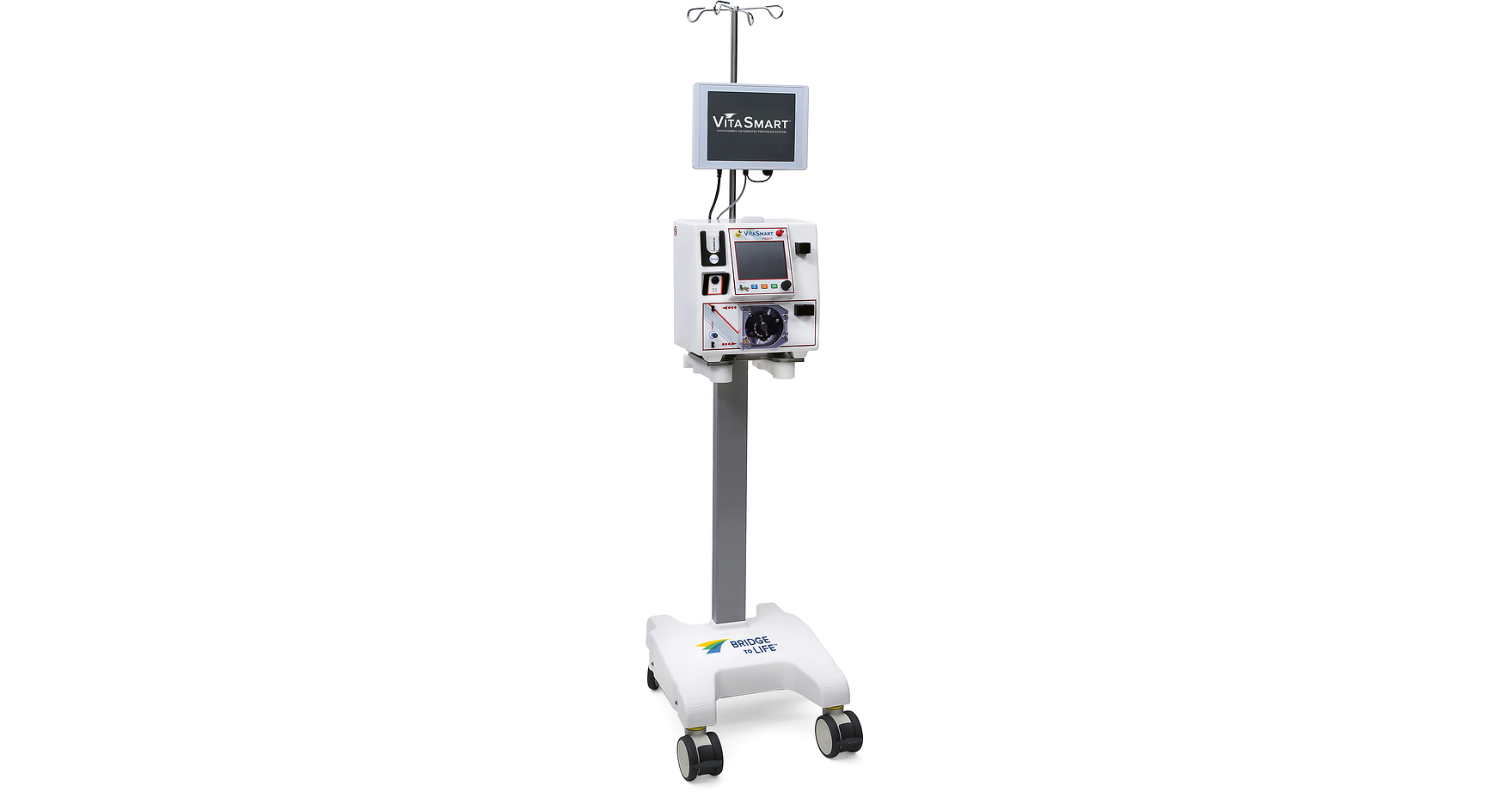
NICE del Reino Unido recomendó la financiación rutinaria por parte del NHS del sistema de perfusión hipotérmica oxigenada ex situ VitaSmart™ (HOPE) de Bridge to Life para preservar hígados de donantes fallecidos antes del trasplante. La guía sostiene beneficios clínicos y económicos frente al almacenamiento estático tradicional en frío, con asociación de HOPE a mayor supervivencia del injerto y menos complicaciones biliares. La noticia, junto con el respaldo regulatorio previo (autorización De Novo de la FDA mencionada), refuerza la adopción potencial en el NHS y podría apoyar el crecimiento comercial de Bridge to Life.
Analysis
The important signal is not the product itself but the institutional seal of approval on a lower-cost, workflow-friendly perfusion modality. That matters because transplant economics are unusually sensitive to capex, staffing complexity, and OR utilization; if the NHS can standardize around a simpler system, it raises the probability that other cost-constrained health systems follow, which could compress the moat of premium, hardware-heavy machine-perfusion platforms. The first-order beneficiary is the vendor with the easiest implementation path in a reimbursement-driven market; the second-order winner is the transplant center, which can expand marginal liver utilization without paying for the most complex equipment stack.
For public comps, the key read-through is competitive pressure on TransMedics (TMDX): the market has tended to reward any machine-perfusion penetration as a category tailwind, but this development specifically reinforces the low-complexity / lower-ACV end of the market. Over 1-3 months, that can matter more for multiple than for revenue, because sell-side models often assume a broad, premium-priced adoption curve that may be too rich if payers prefer simpler alternatives. If the UK proves out faster procurement and broader organ acceptance, it also strengthens the case for hospitals to delay or split budgets away from expensive normothermic systems.
The contrarian view is that the near-term equity impact may be overstated: the commercial value here is mainly in reimbursement legitimacy, not an immediate step-function in procedural volumes. The real revenue inflection depends on whether NHS usage expands beyond a handful of centers, whether procurement is centralized, and whether published real-world outcomes hold up outside controlled evaluations. Falsifiers are straightforward: if UK purchase orders remain small, if adoption is limited to specialist centers, or if TMDX posts evidence of share gains in liver workflows despite the lower-cost alternative.
This is a months-to-years adoption story, not a days-to-weeks trading catalyst. In the near term, the move can still pressure TMDX’s premium valuation if investors start revising terminal share assumptions for normothermic systems in Europe/UK. Over 6-18 months, the bigger risk is that payers and health systems normalize perfusion as a category but commoditize the lowest-friction platform, leaving the highest-ASP players with weaker pricing power than consensus expects.
AllMind Terminal
AI-powered research, real-time alerts, and portfolio analytics for institutional investors.
Request TrialMarket Sentiment
Overall Sentiment
moderately positive
Sentiment Score
0.35
Key Decisions for Investors
- Watchlist: short TMDX into strength if the market extrapolates UK NICE coverage into broad European share gains; thesis works if the stock trades on category TAM expansion rather than product-specific win rates. Falsify if management shows accelerating liver-system placements or material 2026 revenue reacceleration.
- Pair trade idea: short TMDX vs. long a healthcare services / hospital-capex beneficiary basket only if UK and EU procurement data confirm broader perfusion adoption; the relative trade depends on capex intensity, not just clinical enthusiasm. No entry without evidence of NHS tender size and rollout cadence.
- Set an alert for any NHS procurement announcements or multi-center adoption data in the next 1-3 months; if purchases are limited to reference centers, treat the read-through as non-durable and avoid chasing the stock reaction.
- Do not buy the headline as a pure volume catalyst for organ-preservation suppliers; wait for independent evidence of procedure growth and reimbursement conversion before underwriting a meaningful 2027 revenue step-up.
More News
- Musk says Terrafab chip factory could outperform rivals despite challenges
- Nvidia GPUs are everywhere. Here are the ways companies are accessing them
- Stocks saw new highs and big declines: How the volatile AI trade moved last week's market
- Will Warner Bros. kill Skydance — or will David Ellison kill Warner Bros?
- The world needs Ukraine’s grain. Its farmers are running out of reasons to plant
- Cerebras Is About as Big as Nvidia's Data Center Business Was Nearly a Decade Ago. The Similarities Mostly End There.
From AllMind Research
- Anthropic IPO Preview: Valuation, Timing, and What to Watch
- Shein After the IPO: Venue, Valuation, and What Must Be Proved
- What AI Research Tools Should a Small Hedge Fund Buy First?
- How to Evaluate Consensus Estimates Platforms With AI
- Weekly Update: Adding Live MBO Level 3 Data - Liquidity Heatmap, OFI Charts, and More