
U.S. Water Bills Surge 62% in a Decade: ETFs Positioned to Benefit
Source: zacks.com
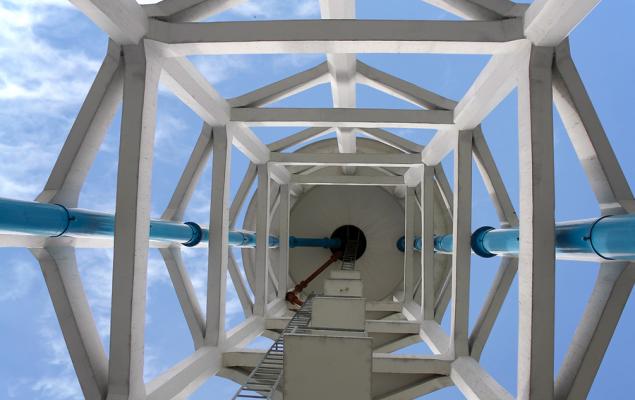
U.S. household water bills rose 62% over a decade; the average household paid $531 in 2025 for 60,000 gallons, according to a Food & Water Watch study cited by The Guardian. The article says aging pipes, lead replacement, PFAS remediation and climate-related costs, alongside the expiration of federal water funding, may shift more spending to ratepayers and private capital. American Water Works secured $216 million in additional annualized revenue in the first half of 2026 and plans $3.7 billion in investment this year; the article presents PHO, FIW and AQWA as potential ETF exposure to water infrastructure and treatment demand.
Analysis
The key distinction is between utility revenue recovery and shareholder value creation. Approved rates can support AWK’s cash flow, but returns depend on regulators allowing timely recovery of capital costs at adequate returns; higher bills alone do not guarantee better equity economics. Affordability pressure raises the risk of delayed rate cases, bill-assistance mandates, or political resistance—especially if household arrears rise. More expensive financing could also absorb part of the benefit of a larger rate base.
The cleaner second-order exposure is equipment and services demand, but order growth is not revenue or free cash flow until projects are funded, delivered, and converted. XYL and FERG could benefit from replacement cycles; ECL and Agilent Technologies have broader water-related applications, so their results are less directly levered to U.S. household bills. The cited large outsourced contract makes XYL’s order conversion and customer concentration worth checking rather than extrapolating headline order growth.
Near term, the article’s structural narrative may already be reflected in water-theme positioning; a decade-long bill increase is not a near-term earnings catalyst by itself. Over 1–3 months, watch AWK rate-case outcomes and capex funding, plus XYL backlog conversion and guidance. Over 6–18 months, affordability and regulatory recovery determine whether infrastructure spending compounds into returns or merely raises the cost base. The thesis weakens if rate approvals lag, utility bad debt rises, or XYL’s order growth fails to convert to recognized revenue and cash flow. ETF exposure is not a pure utility-rate trade: PHO and FIW include meaningful industrial exposure; AQWA’s reported small asset base warrants liquidity checks.
AllMind Terminal
AI-powered research, real-time alerts, and portfolio analytics for institutional investors.
Request TrialMarket Sentiment
Overall Sentiment
mildly positive
Sentiment Score
0.25
Ticker Sentiment
Key Decisions for Investors
- Do not buy AWK solely on rising water bills. Treat it as a regulated-return and financing thesis; add only if upcoming rate decisions support timely cost recovery and management maintains funding discipline. Reassess on adverse rate-case rulings or rising customer arrears.
- For a measured infrastructure-capex expression, prefer FIW or PHO over AQWA pending verification of AQWA’s trading liquidity and spreads. Check current holdings and weights before entry; these funds provide mixed industrial and utility exposure, not a direct pass-through to household bills.
- Put XYL on a catalyst watch rather than chasing reported orders: verify backlog conversion, organic revenue guidance, and cash generation at the next results. A miss on conversion would falsify the supplier-side upside case.
- Relative-value watch: favor XYL/FERG exposure over a pure AWK-led utility bet if order conversion remains firm while affordability or rate-case friction worsens. Do not initiate the pair without checking current valuation, borrow, and correlation; those inputs are not supplied.
More News
- The world needs Ukraine’s grain. Its farmers are running out of reasons to plant
- French yields are near levels not seen since 2002. Why that could give U.S. Treasurys a boost
- SpaceX’s Wireless Threat Rises With Spectrum Deal
- Authorities said Houthi-claimed attacks on Riyadh airport killed three Saudi citizens, as airlines suspend at least 124 flights
- Why is the Chinese stock market missing the AI rally
- Taiwan president says defence spending boost aims to ‘deter war’