
La tecnología de drones automatizados transforma aún más las operaciones de rescate en montaña en Polonia
Source: PR Newswire
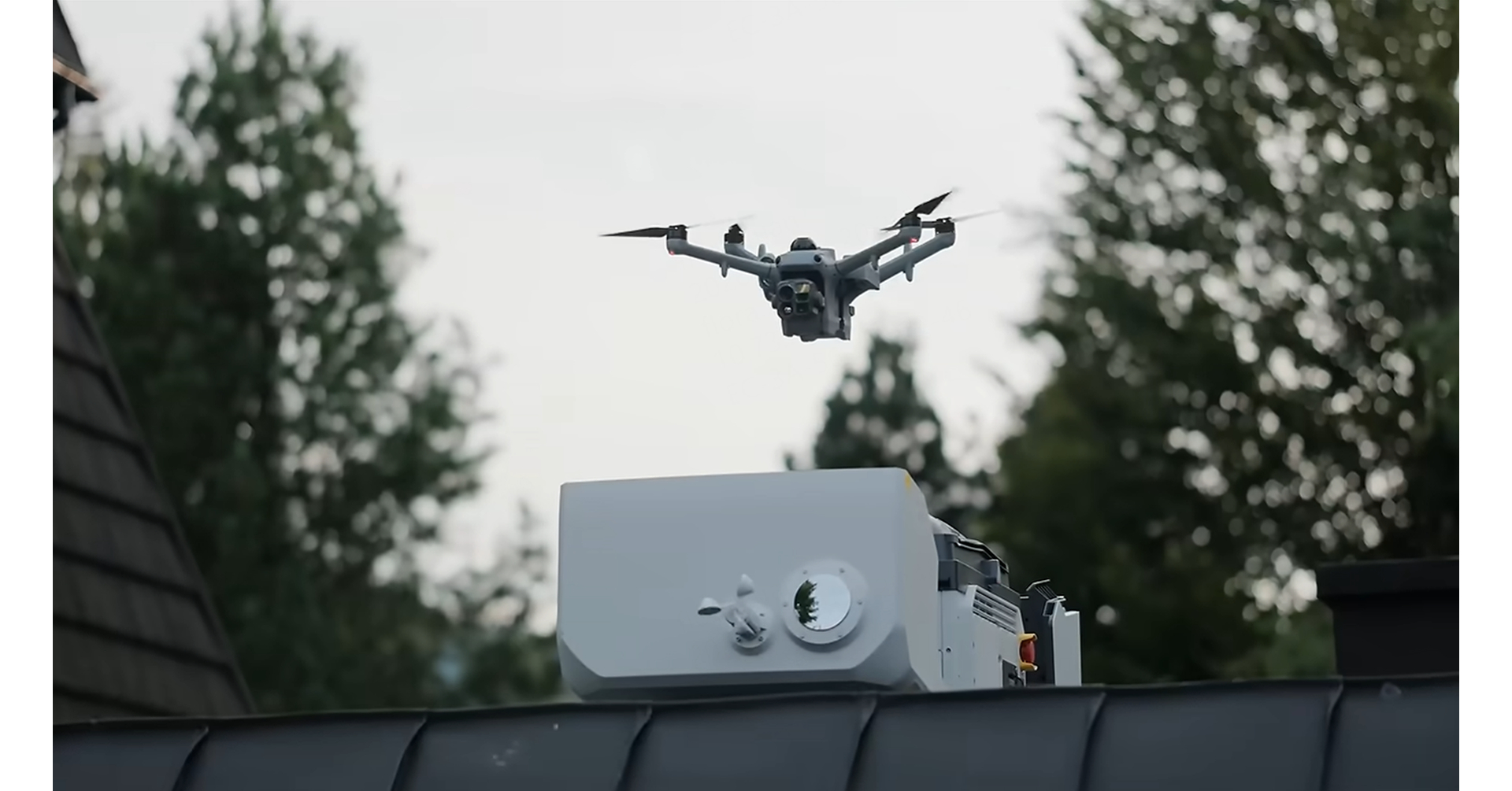
TOPR, Poland’s volunteer mountain-rescue service, is piloting DJI’s Dock 4 automated drone station to reach reported emergencies in minutes rather than the up to two hours needed for traditional deployment. The drones support early aerial assessment, thermal search and communication with people on the ground; automated battery replacement takes 25 seconds. The operational case study describes potential rescue benefits but provides no financial results or market reaction.
Analysis
This is a product-validation anecdote, not evidence of a material near-term revenue stream: it describes a pilot by one volunteer rescue organization and is published by the equipment vendor. The investable signal is narrower—autonomous launch, thermal sensing and relay coverage may improve the economics of remote-site inspection and emergency response where labor mobilization is slow. If replicated through funded procurement, the more durable value could accrue to integrated systems (aircraft, docking, communications, software and service), not just airframes. It may also raise the bar for competing vendors on unattended operations and rugged connectivity.
Operationally, earlier aerial triage is more likely to complement helicopters and ground teams than displace them: drones can reduce uncertainty and misallocated deployments, but cannot evacuate casualties. That could improve responder capacity and safety without reducing demand for crewed rescue. The key adoption gates are demonstrated reliability in severe weather, communications resilience, regulatory permissions, cybersecurity acceptance and lifecycle cost versus staffed alternatives. The release’s performance claims are vendor-reported and controlled-condition caveats limit extrapolation.
Near term, there is no clear listed-company earnings catalyst or direct public-market exposure established by the supplied data. Over 1–3 months, watch for independent operating results and funded deployments beyond the pilot; over 6–18 months, broader public-safety procurement could validate a category, but procurement and certification cycles constrain rapid scaling. A reversal would be a failed field trial, restricted flight permissions, or evidence that maintenance, connectivity and staffing costs erase response-time benefits. The contrarian point: compelling mission footage can be mistaken for scalable economics; deployment count and contract value matter more than technical capability.
AllMind Terminal
AI-powered research, real-time alerts, and portfolio analytics for institutional investors.
Request TrialMarket Sentiment
Overall Sentiment
mildly positive
Sentiment Score
0.35
Key Decisions for Investors
- No trade on this release alone: treat it as vendor-led product validation, not a forecastable earnings catalyst; no direct listed beneficiary is identified in the supplied company mapping.
- Put public-safety drone and autonomy vendors on a watchlist, but require independently verified uptime in winter conditions, repeat deployments, and disclosed funded contract values before underwriting revenue or valuation impact.
- Monitor procurement and regulatory signals over the next 1–3 months: expansion beyond the TOPR pilot, public tenders, and permissions for automated beyond-visual-line-of-sight operations would strengthen the adoption thesis; a stalled pilot or restrictions would weaken it.
- For any future investment case, test whether drone reconnaissance reduces avoidable dispatches without impairing rescue outcomes, and compare full lifecycle costs—including communications infrastructure, maintenance and operator oversight—with existing helicopter and ground response.
More News
- What Wall Street billionaires are saying about Democrats' midterm sweep
- China Blocks SoftBank Acquisition of ABB Robot Unit, FT Says
- After the midterms, a bigger clash over data centers could be coming
- Inside the chip talent war: Trade secrets and rising Chinese rivals
- A blue wave sends futures into the green
- Democrats may go after data centers. That's not a reason to dump all your AI stocks