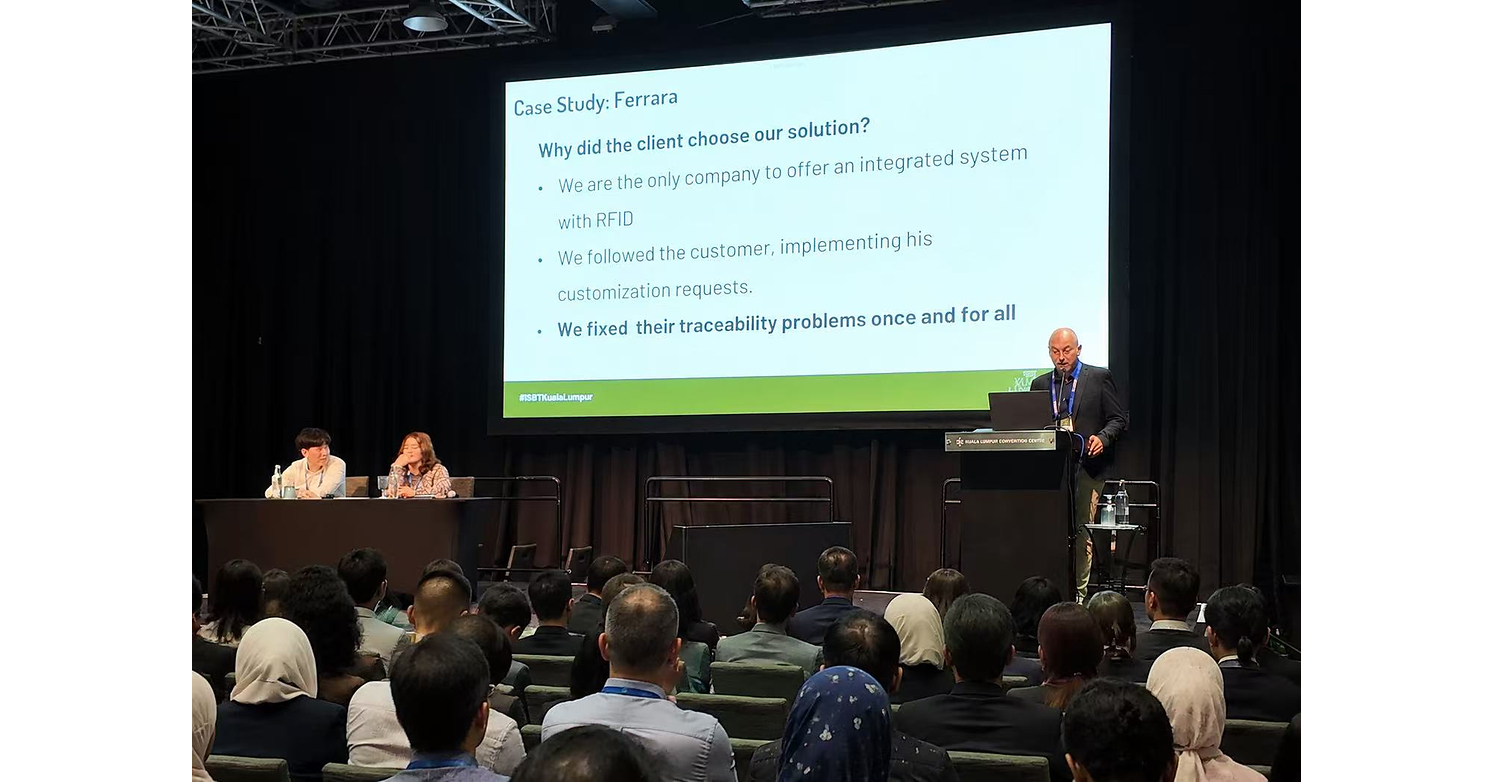
Haier Biomedical highlighted its RFID- and AI/IoT-enabled blood management upgrades at ISBT Congress 2026, including hospital deployments that cut blood bag retrieval times to under 1 minute. The company showcased an EU MDR-certified Plasma Apheresis System and an integrated workflow spanning collection, processing, low-temperature storage, intelligent transportation, and clinical application. Reported moves from paper/manual tracking to digital, traceable RFID systems (e.g., Ferrara, Italy; Brazil and Philippines deployments) support a shift toward distributed, digitally connected transfusion workflows.
The investable point is not the hardware refresh; it is the migration from one-off device sales to a validated workflow layer with switching costs. If the company can own the RFID/data spine inside blood banks and hospitals, the upside is higher gross margin, lower churn, and a longer replacement cycle than a standard equipment franchise. The second-order winner is any hospital automation stack that can bundle compliance, inventory, and traceability; the loser is the commoditized refrigerator vendor whose product is easy to displace on price alone.
Near term, though, this is mostly a sales-pipeline story, not a near-term earnings step-up. Hospital IT integration, regulatory validation, and procurement committee cycles typically take quarters, so the stock should only re-rate if bookings or backlog show that pilots are converting into enterprise-wide rollouts rather than isolated showcases. The key falsifier is a lack of follow-through on installed base monetization: if revenue grows but gross margin and recurring service mix do not improve over the next 2 reporting periods, the thesis is probably overextended.
The contrarian view is that the market may be underestimating how sticky blood-chain data workflows can be once embedded, but it may be overestimating the speed of adoption in budget-constrained healthcare systems. That argues for a staged view: positive on the 6-18 month structural story, cautious on the next 1-3 months because the catalyst path depends on conversion metrics, not conference visibility. Competitive pressure from larger med-tech platforms or local low-cost OEMs would cap multiple expansion if customers treat this as a replaceable appliance category rather than a system of record.
AI-powered research, real-time alerts, and portfolio analytics for institutional investors.
Request TrialOverall Sentiment
mildly positive
Sentiment Score
0.18
Ticker Sentiment
