
Roofing Expert Ryan Pacheco of Roanoke, VA Explains How to Choose Between Roof Repair and Replacement for HelloNation
Source: PR Newswire
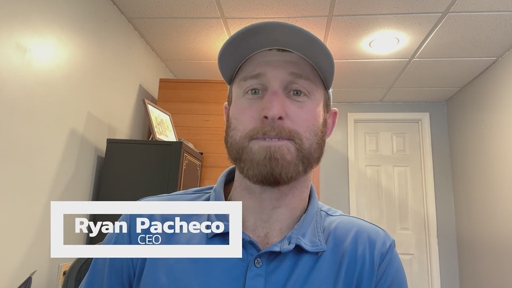
HelloNation published an educational article advising Virginia homeowners to choose targeted roof repairs for localized damage on newer roofs, while recommending full replacement when there is widespread aging, granule loss, moisture-damaged decking, or inadequate ventilation. The article cites recurring storms, heavy rain, wind, and temperature changes as factors that can shorten shingle life, but provides no financial results, market-moving developments, or company-specific operating data.
Analysis
No investable signal: this is localized educational marketing rather than evidence of incremental reroofing demand, storm-loss severity, or pricing power. It should not be extrapolated to public building-products exposure without independent confirmation from insurer claims, contractor backlog, permit volumes, or distributor sell-through.
The relevant second-order mechanism is that a repair-versus-replace mix shift matters more for distributors and manufacturers than for contractors: full replacements drive materially higher shingle, underlayment, decking, ventilation, and labor content per job. If regional storm activity later produces broad replacement activity, Owens Corning (OC), Beacon Roofing Supply (BECN), and TopBuild (BLD) would have more direct revenue sensitivity than general housing equities; however, the article supplies no evidence that this is occurring.
Over 6-18 months, insurance affordability and claim settlement behavior are the key swing factors. Higher deductibles, coverage exclusions, and carrier non-renewals can force homeowners toward repairs even after damage, reducing replacement volumes and pressuring product mix; conversely, a severe hail/wind season combined with normalized claims approvals could tighten contractor capacity and support price realization. The contrarian point is that weather headlines alone often overstate public-equity upside because demand can be delayed by permitting, adjuster capacity, financing costs, and homeowner out-of-pocket burdens.
AllMind Terminal
AI-powered research, real-time alerts, and portfolio analytics for institutional investors.
Request TrialMarket Sentiment
Overall Sentiment
neutral
Sentiment Score
0.00
Key Decisions for Investors
- No new position based on this item; classify as non-actionable marketing content rather than a demand datapoint.
- Create a weather-to-roofing demand watchlist: monitor Virginia and broader Mid-Atlantic insured-loss estimates, state-level reroof permits, and BECN/OC monthly channel commentary over the next 1-3 months before assigning a replacement-demand thesis.
- If independent data show sustained storm claims and replacement permits accelerating, evaluate a 3-6 month long BECN versus short XHB pair: BECN has more repair/replacement exposure, while XHB carries broader new-construction and rate sensitivity. Falsify if insurer claim approvals weaken or BECN reports volume softness despite storm activity.
- For 6-18 month risk monitoring, track homeowners-insurance premium/deductible trends and mortgage delinquency in storm-exposed states; deterioration would favor deferred maintenance and repair mix, a negative for OC and BECN unit volumes despite potentially stable nominal pricing.
More News
- The Zombie Office Apocalypse
- Warren Buffett’s last lesson as chair: Culture and capital require different guardians
- Dow opens 407 pts higher as oil, yields ease ahead of Trump‑Xi summit
- Global grain markets tighten as corn deficit reaches 33-year high
- Raymond James reiterates Lennar stock rating citing mortgage rates
- Typhoon Dujuan hits Japan with deadly floods, travel chaos near Tokyo