
Cambridge Heartwear Awarded £184 Million NHS Tender for World's First Medical-Grade, Wirelessly Charged, Reusable ECG Wearable
Source: PR Newswire
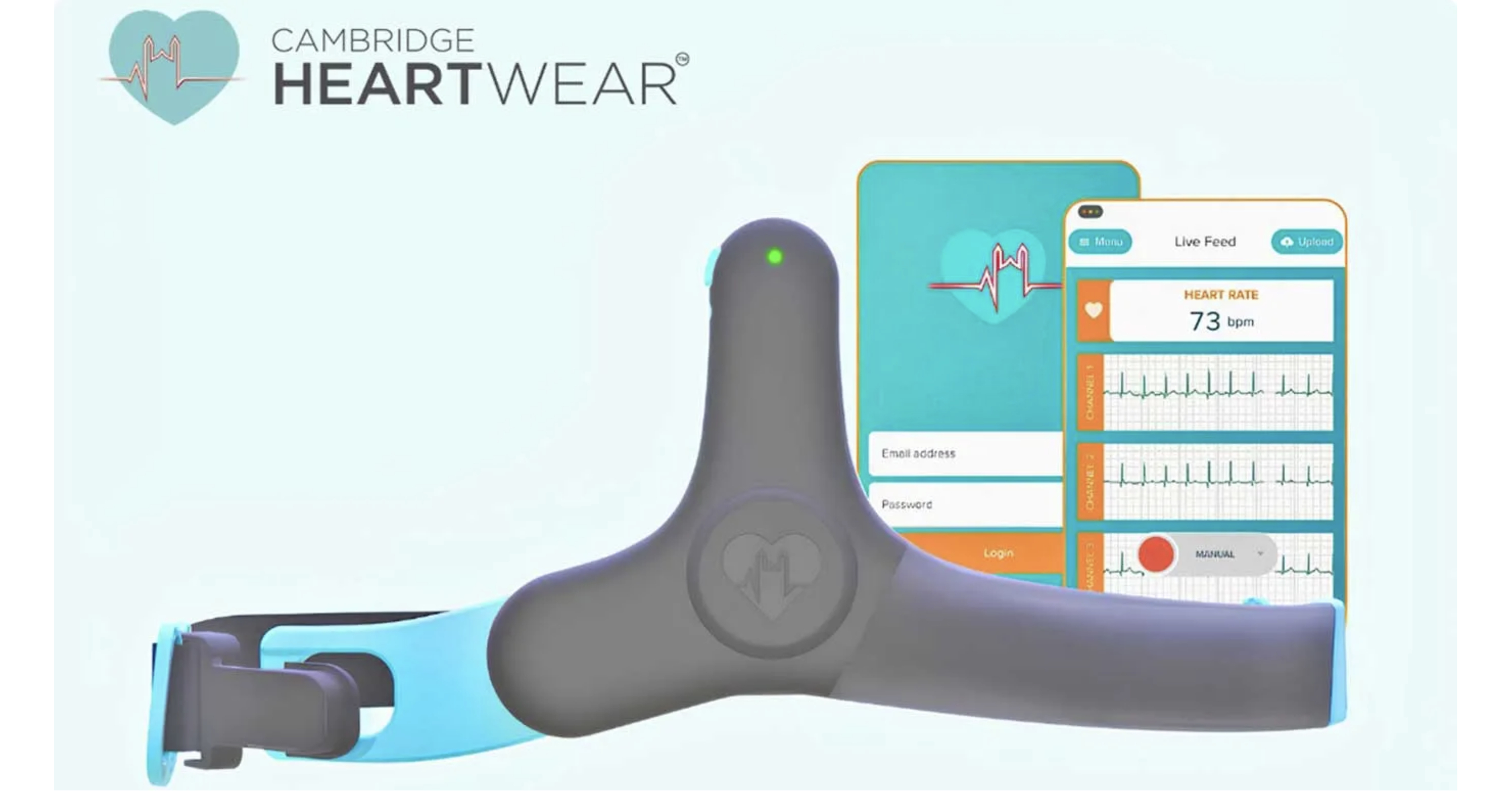
Cambridge Heartwear says it secured a £184 million tender with the UK NHS for its HeartSense medical-grade, multi-channel ECG wearable, enabling deployment across primary and secondary care and civil service departments. The company says the device combines AI-based monitoring and wireless charging, is UKCA approved and ISO 13845 certified, and has FDA 510(k) applications in progress.
Analysis
The investable signal is procurement validation, not yet a bankable revenue stream. A headline tender value may represent a framework ceiling rather than committed orders; without term, minimum-volume obligations, pricing, or delivery milestones, it should not be capitalized as £184m of sales. Cambridge Heartwear is private, so there is no clean direct equity expression.
If deployment scales, the second-order effect is a shift of ECG monitoring from hospital-based episodic testing toward community and home pathways. That could pressure incumbent ambulatory-monitoring providers if NHS clinicians substitute the wearable for Holter/event monitoring, but may instead expand testing demand and increase follow-on referrals. The decisive variables are clinician adoption, actionable-result rates, false-positive burden, and whether the device reduces total pathway cost rather than merely shifting workload. NHS capacity constraints could slow rollout even after procurement approval.
Near term, this is a weak read-through for listed medtech. Over 1–3 months, verify whether the tender carries committed volume and whether Integrated Care Boards place orders. Over 6–18 months, UKCA status alone does not establish commercial scale; FDA clearance remains a separate catalyst, while evidence of diagnostic performance and workflow economics will matter more than patent count or AI claims. The thesis weakens if orders are immaterial, deployments stall, or monitoring outcomes fail to reduce downstream costs.
AllMind Terminal
AI-powered research, real-time alerts, and portfolio analytics for institutional investors.
Request TrialMarket Sentiment
Overall Sentiment
moderately positive
Sentiment Score
0.55
Key Decisions for Investors
- No immediate listed-equity trade: the issuer is private and the release does not establish contracted, recognized revenue or a measurable earnings impact for public peers.
- Set a diligence alert for the tender’s duration, minimum purchase commitments, actual order cadence, unit pricing, and production capacity. Treat the £184m figure as unverified revenue potential until those terms are disclosed.
- Watch iRhythm and other ambulatory ECG/monitoring providers for evidence of NHS substitution or changed guidance; do not short on this announcement alone, since broader screening adoption could expand category demand rather than displace incumbents.
- Reassess after independent clinical/workflow data and initial deployment metrics: adoption, diagnostic yield, false-positive rates, time to clinician review, and cost per resolved case. A stalled rollout or no demonstrable pathway savings would falsify the scale-up thesis.
More News
- US stock market hits all-time high as investors bet big on AI
- Singapore's Temasek warns of the ‘biggest risk’ facing markets right now
- GIC Private Ltd, Medline 10% owner, sells over $721m in shares
- A 32% beat, a +6% jump: the IT solutions name our models picked in July
- Nvidia Is on the Verge of a $6 Trillion Market Value
- Controversial $110 billion mega-merger of Paramount and Warner Bros. finally closes