
DJI Dock 4: erste Drohnen-Dockingstation mit automatischem Akkuwechsel in 25 Sekunden für jederzeit einsatzbereite Unterstützung aus der Luft
Source: PR Newswire
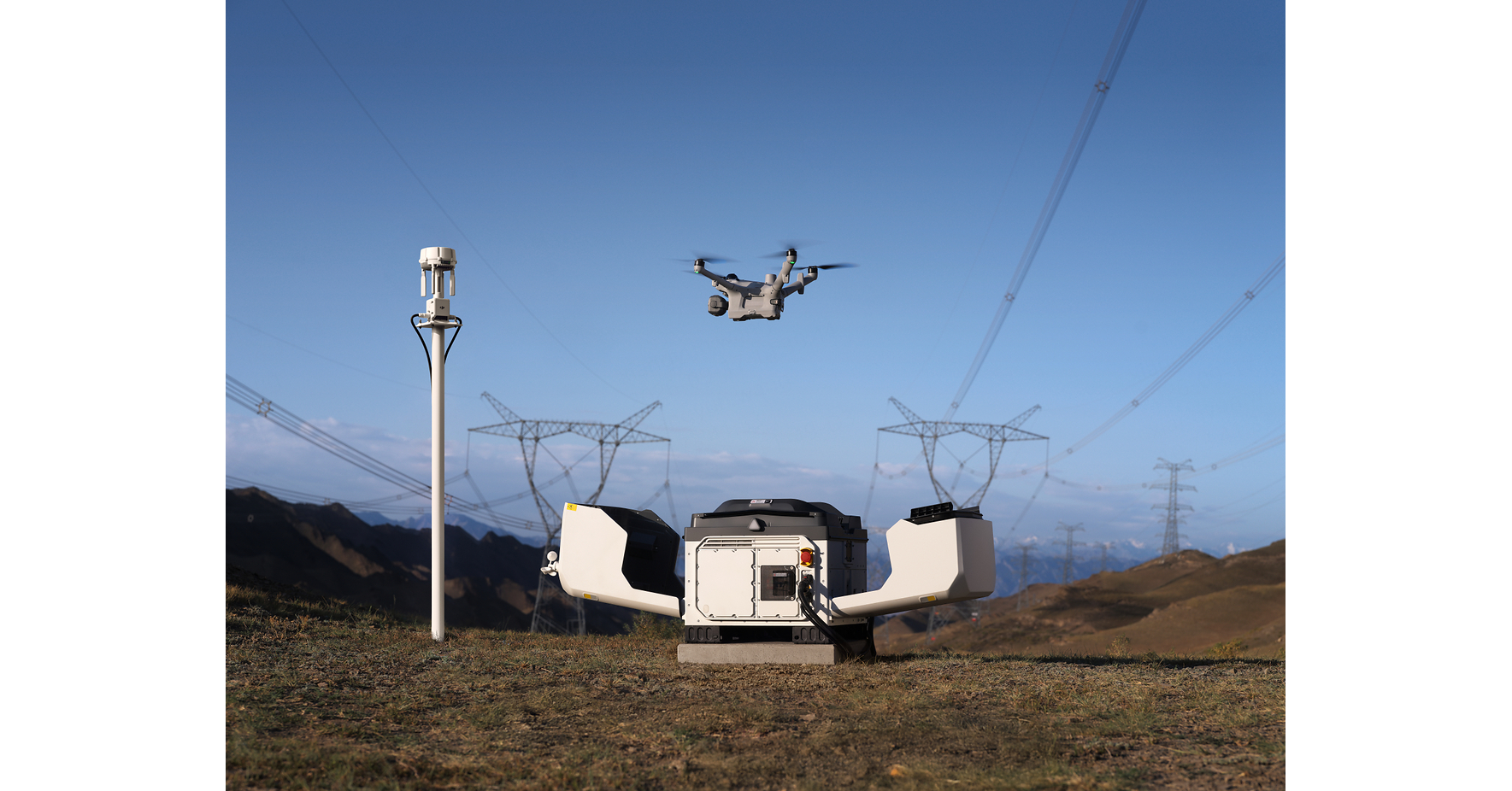
DJI launched the Dock 4 drone-in-a-box system with an automated battery swap in 25 seconds, paired with the Matrice 5TD, which offers up to 59 minutes of flight time and AI detection of 17 object types. DJI says the system’s drone-to-cloud latency is up to 160 ms, about 32% lower than the prior generation, and is designed for public safety, emergency response and infrastructure inspection. The product is available through authorized DJI Enterprise dealers; the announcement provides no pricing or financial guidance.
Analysis
Investment read-through: mildly positive for autonomous inspection and public-safety workflows, but not yet an investable earnings catalyst. The key economic change is less idle time between sorties—not simply better imagery. If agencies can replace some staffed launches with remotely dispatched flights, utilization per installed dock could rise and reduce response costs; savings, however, may accrue to customers rather than the hardware vendor. The claimed 25-second swap also does not eliminate constraints from route distance, weather, communications coverage, staffing, battery life-cycle wear, or dispatch protocols. Fleet economics and recurring software attach—not launch specifications—will determine adoption.
Competitive effect: DJI raises the bar for drone-in-a-box deployments, potentially pressuring other enterprise-drone providers, including Skydio and Autel, to match persistent operations and sensor fusion. Conversely, the integrated stack makes procurement, cybersecurity review, and workflow integration more consequential; public-sector restrictions or customer requirements for non-DJI equipment can blunt the product advantage and benefit compliant alternatives. For utilities, automated inspection could shift spend from manual patrols and crewed surveys toward drone fleets, but the release gives no evidence of customer deployments, pricing, or verified labor savings.
Timing and risks: immediate impact is limited absent a public-market issuer or disclosed orders. Over 1–3 months, watch reseller availability, tender wins, and independent field evidence on uptime and total cost of ownership. Over 6–18 months, repeat deployments and software integration matter more than sensor specifications. Press-release performance figures are controlled-environment claims; regional availability and regulatory approvals may differ. Thesis weakens if tenders exclude DJI, field uptime disappoints, or buyers cite cybersecurity/airspace barriers.
AllMind Terminal
AI-powered research, real-time alerts, and portfolio analytics for institutional investors.
Request TrialMarket Sentiment
Overall Sentiment
mildly positive
Sentiment Score
0.35
Key Decisions for Investors
- No direct equity trade: DJI is not identified as a publicly traded company in the supplied data, and this launch alone does not establish revenue or margin impact for listed companies.
- Add enterprise drone-in-a-box adoption to the public-safety and infrastructure-inspection watchlist; track disclosed tenders, fleet deployments, and recurring software revenue rather than product claims.
- Treat Skydio and Autel as competitive read-throughs, not automatic shorts: a response in pricing or customer wins is needed before expressing a relative-value view.
- Revisit the theme if multiple independent utility or emergency-service deployments show lower cost per inspection or faster response without higher operating and compliance costs; downgrade it if procurement exclusions or field reliability failures emerge.
More News
- Anthropic's third-quarter revenue is said to hit $16.8 billion ahead of IPO
- Why is Samsung Electronics stock plunging today?
- SK Hynix plunges 8% amid Asia tech rout as Fed rate hike fears, AI funding worries mount
- Elon Musk says Trump is 'ultimately' responsible for any curbs on Ukraine's Starshield systems
- SK Hynix seeks U.S. chip equipment exports to China tied to new factory
- Dell stock plunges 11%, leading data center sell-off on concerns about 'enterprise AI timing'
From AllMind Research
- Anthropic IPO Preview: Valuation, Timing, and What to Watch
- Shein After the IPO: Venue, Valuation, and What Must Be Proved
- What AI Research Tools Should a Small Hedge Fund Buy First?
- AI Tools for Private Equity Due Diligence: A Buyer Workflow
- Weekly Update: In-App Tutorials, Futures Data, and Watchlist Enhancements