
Mureva Announces FDA De Novo Authorization and Peer-Reviewed Publication of Pivotal Mureva OM Trial
Source: PRWeb
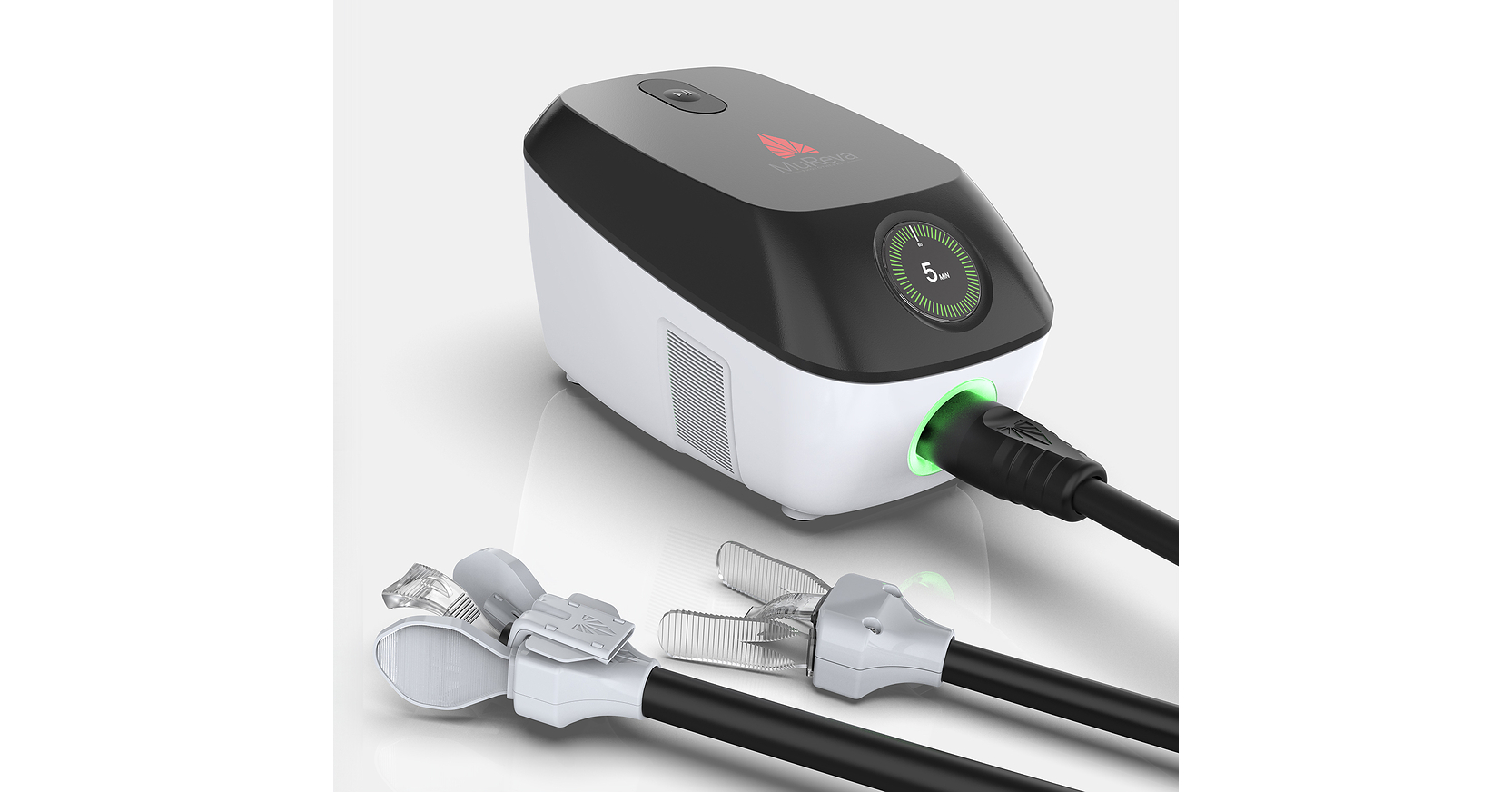
Mureva Phototherapy received FDA De Novo authorization for Mureva OM, the first authorized intraoral phototherapy device to reduce radiation-induced oral mucositis severity, establishing a new Class II device category. In the FDA-indicated subgroup (n=40), severe oral mucositis occurred in 37% of treated patients versus 81% for sham, a 54% relative reduction (p=0.016); no device-related adverse events were reported and 99.5% of sessions were completed. Peer-reviewed pivotal data and FDA authorization support Mureva's planned U.S. commercial launch, though the private company's direct public-market impact is limited.
Analysis
This authorization validates a workflow-oriented supportive-care device category, but it is not yet an investable public-equity catalyst: Mureva is private and neither reimbursement nor installed-base economics are disclosed. The relevant commercial gating variables over the next 1-3 months are CMS/payment-code coverage, per-course device and disposable pricing, radiation-center throughput requirements, and whether leading academic centers convert trial participation into paid deployments. Without reimbursement, a clinically compelling reduction in treatment toxicity may still face capital-budget friction in community radiation clinics.
The more investable second-order read is modestly favorable for radiation-oncology workflow vendors and outpatient cancer-care platforms if preventing mucositis reduces unplanned supportive interventions and treatment interruptions. Varian is embedded in Siemens Healthineers (SHL.DE), while Elekta (EKTA-B.ST) and oncology-practice operators such as US Oncology parent McKesson (MCK) could benefit only if the device is bundled into treatment pathways; the financial effect would be immaterial near term unless adoption expands beyond head-and-neck radiation. Conversely, incumbent low-tech oral-care and symptom-management spend is unlikely to be a meaningful public-company short because expenditures are fragmented and the indicated population is narrow.
Consensus may overread De Novo status as proof of rapid penetration. The trial's commercially authorized subgroup is small, and the indication excludes patients receiving broader oral-cavity radiation exposure, limiting the immediately addressable population; hospital procurement and payer decisions, not clinical evidence alone, determine the 6-18 month revenue curve. A broader label, favorable payer coverage, or evidence of fewer feeding-tube placements, opioid use, hospitalizations, or radiation interruptions would materially improve the value proposition and could make the platform strategically relevant to larger medtech acquirers.
AllMind Terminal
AI-powered research, real-time alerts, and portfolio analytics for institutional investors.
Request TrialMarket Sentiment
Overall Sentiment
strongly positive
Sentiment Score
0.82
Key Decisions for Investors
- No directional public-equity trade at launch: Mureva is private and disclosed data do not establish reimbursement, price, or adoption velocity. Add an event-driven watch item for CMS/private-payer coverage and first commercial-install disclosures over the next 3-6 months.
- Monitor SHL.DE and EKTA-B.ST for any ASTRO 2026 workflow partnership, distribution agreement, or PBM integration announcement; treat a confirmed exclusive distribution arrangement as a potential 1-3 month relative-long catalyst, but do not position ahead of confirmation given likely immaterial initial revenue.
- For MCK, track whether large community oncology networks adopt the device and report reductions in acute supportive-care utilization. A measurable reduction in treatment interruptions or emergency visits could support a longer-duration services-margin thesis; absence of reimbursement or utilization evidence by mid-2027 falsifies it.
- Avoid shorting oral-care, analgesic, or nutrition suppliers on this development. The addressable cohort is too limited and substitution is diffuse; only reconsider if real-world data show broad protocol adoption and a quantified reduction in high-margin supportive-care product utilization.
More News
- Here’s the ‘core economic flaw’ in the AI bull case as stock and bond trades unravel, according to a top economist
- Biotech stocks are surging. How investors can play the new drug innovation boom
- Ukraine says Starlink and Starshield high speed restrictions have been lifted
- Goldman says these top tech stocks have plenty of upside ahead of earnings
- Ukraine says Starlink restored as attacks continue in Russia and Ukraine
- Starlink seems to be working normally again in Ukraine