
New York Auto Show Announces 2027 Dates
Source: PR Newswire
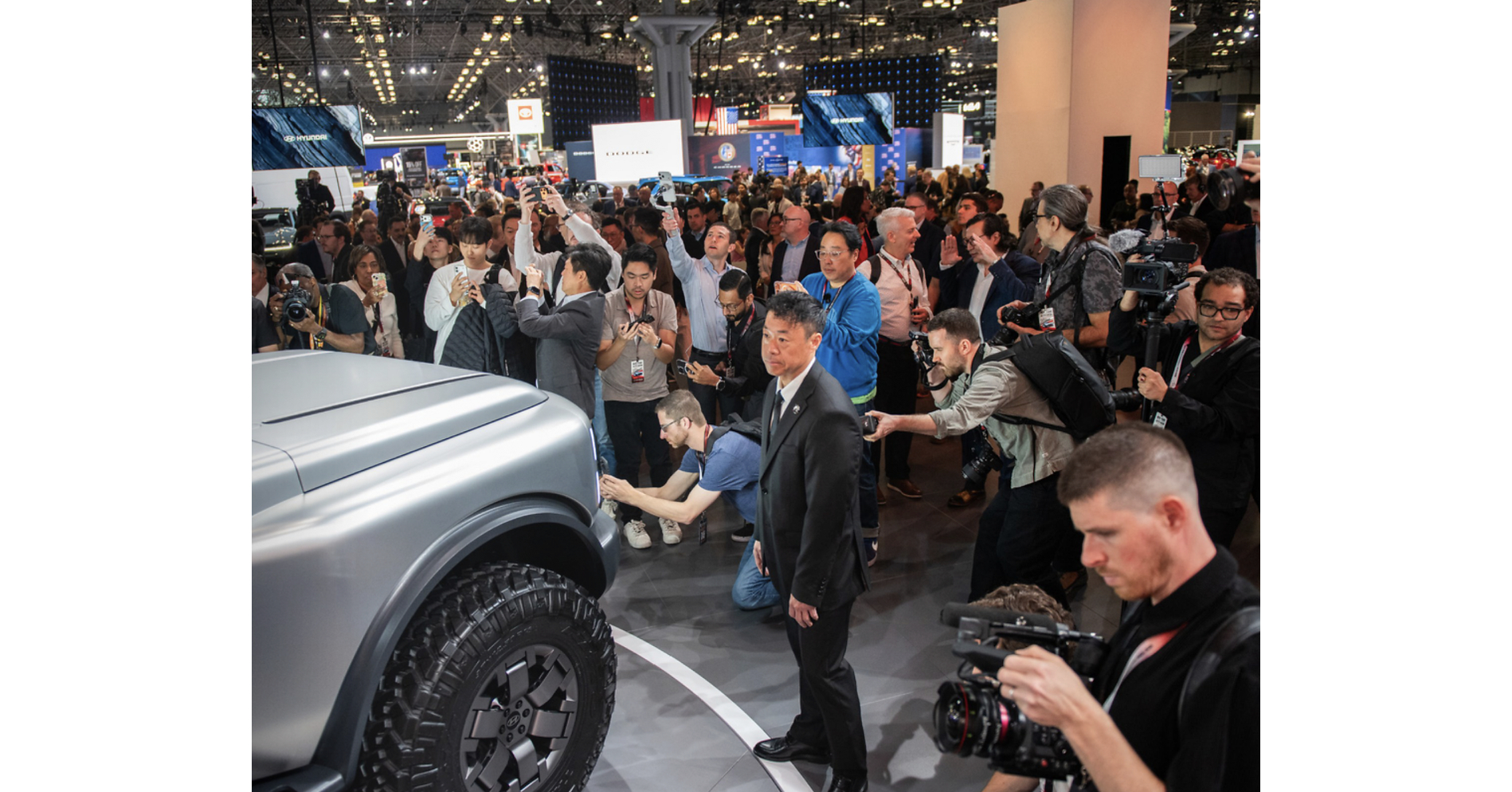
The New York International Auto Show reported that 80% of 2026 attendees said the event influenced their next-vehicle decision, while 38% planned to purchase or lease within 12 months; 92% of those purchase intenders subsequently did so. The 2027 show, scheduled for March 26-April 4 at Javits Center, will expand product announcements, B2B programming and vehicle test-track experiences. The release signals constructive consumer engagement for automakers but is unlikely to materially affect sector valuations.
Analysis
This is weak standalone demand evidence: attendee surveys are self-selected, and stated purchase intent is not incremental demand versus a purchase that would have occurred through dealer, digital, or OEM channels. The more investable implication is that physical-show engagement can improve consideration-set conversion for brands launching high-ticket vehicles, but the benefit accrues unevenly to dealers with dense Northeast footprints—AutoNation (AN), Lithia (LAD), Penske (PAG), and Sonic (SAH)—rather than broadly to OEM equity valuations.
For the next 1-3 months, this has no material bearing on unit forecasts, incentives, or residual values. The relevant catalyst is the March 2027 reveal calendar: a credible launch with production timing, pricing, and dealer allocation could move estimates for GM, Ford (F), Tesla (TSLA), Rivian (RIVN), or import OEM ADRs; a concept-heavy event should be ignored. Test-drive activity may be directionally positive for EV adoption, but only if financing costs and lease subvention support monthly-payment affordability.
Consensus may overread any favorable event metrics as proof of consumer demand. Shows can shift brand consideration without increasing category volume, while OEMs often monetize interest through higher incentive spending, reducing gross margin rather than expanding it. A weakening used-vehicle market, higher delinquencies, or renewed inventory accumulation would quickly falsify a retail-demand interpretation even if event traffic remains strong.
Structurally, the better second-order watch item is dealer advertising and floorplan economics: if OEMs use the event to support constrained supply or profitable trim launches, franchised dealers can gain F&I and gross-profit leverage; if it accompanies broad clearance activity, dealer margins compress despite higher traffic. Monitor monthly SAAR, OEM incentive data, average transaction prices, and dealer-days supply rather than show-reported conversion statistics.
AllMind Terminal
AI-powered research, real-time alerts, and portfolio analytics for institutional investors.
Request TrialMarket Sentiment
Overall Sentiment
mildly positive
Sentiment Score
0.32
Key Decisions for Investors
- No directional auto-sector trade on this release; treat it as a March 2027 product-launch calendar marker, not a revision to US auto-demand forecasts.
- Create an alert for March 2027 launches from GM, F, TSLA, and RIVN: consider a 1-3 month long only when a reveal includes production-ready specifications, pricing, and delivery timing that can support a measurable volume or mix estimate revision.
- Prefer a selective dealer watchlist—AN, LAD, PAG, SAH—over broad OEM exposure if Northeast inventory remains disciplined; enter only after confirming improving same-store gross profit and stable floorplan expense. Exit if new-vehicle days supply rises materially or F&I profit per unit declines for two consecutive reporting periods.
- For a contrary-risk hedge around any auto-show enthusiasm, monitor long dealer/short OEM pairs such as long PAG versus short F where incentive intensity rises: dealers can retain service and F&I earnings while OEM margins absorb promotional spending. Do not initiate without monthly incentive and inventory confirmation.
More News
- Trump Says US Team Met With Iranians at UNGA
- Paramount will need to release way more movies to make this merger work
- Meta’s Muse AI is exploding in popularity—and already drawing heated backlash from another tech giant
- Royal Caribbean nears $3 billion deal to take 50% equity stake in Sandals
- Meta's quick success with Muse puts consumers back in the driver's seat of the AI trade
- Qualcomm releases Android chip built for AI as memory shortage weighs on smartphone market