
OMAKAI sushi Launches Expansion Plans with Chicago Debut, Plus New Orlando and Brickell Locations
Source: PR Newswire
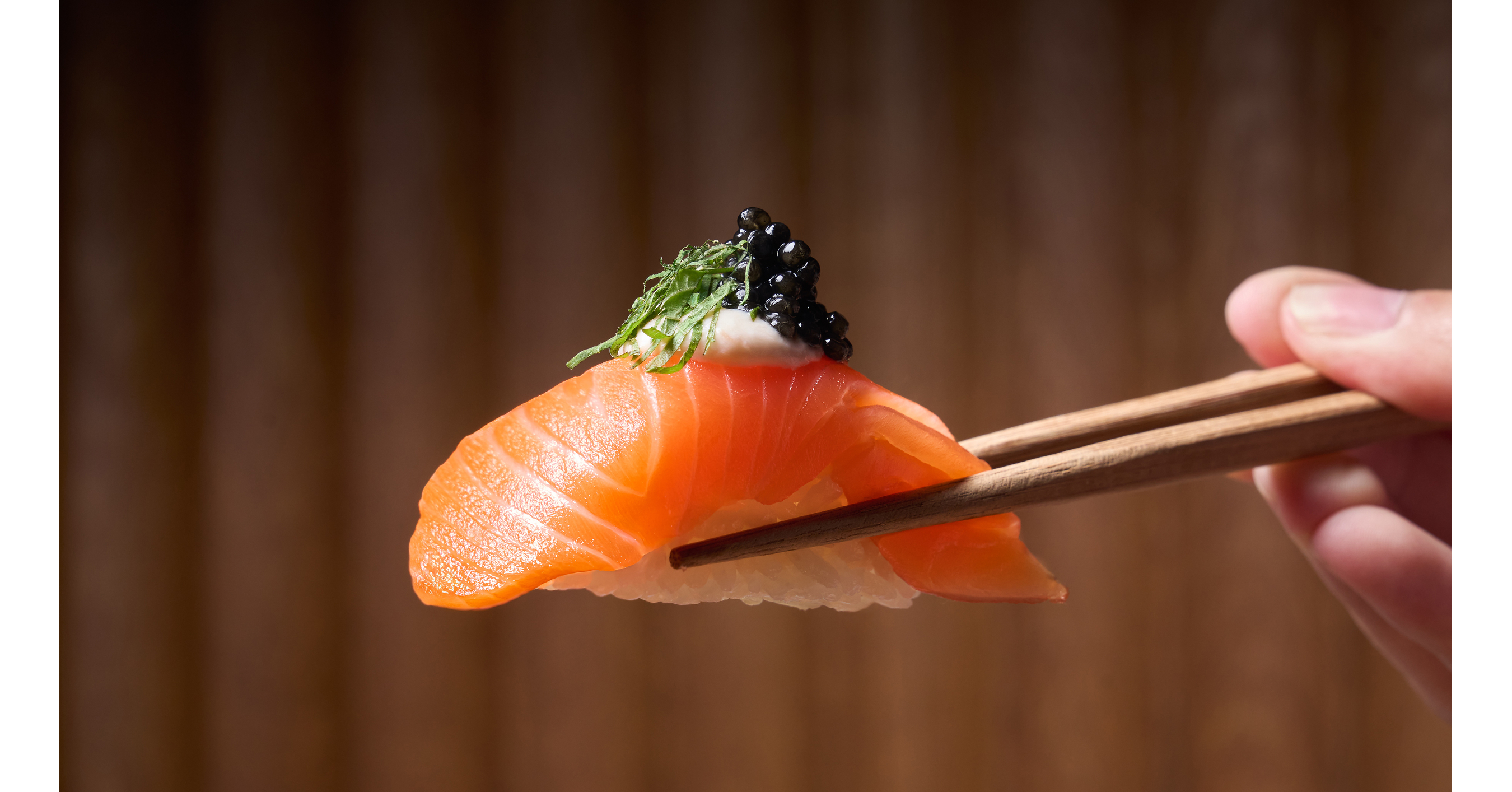
OMAKAI announced its first out-of-Florida expansion, opening a 66-seat flagship sushi restaurant in Chicago's Fulton Market and a 30-seat hand roll bar in River North before year-end. The company also signed its first Orlando lease and plans two additional Brickell locations, representing its largest growth phase since launching in 2019. The expansion broadens the accessible omakase brand into Chicago while increasing its Florida footprint.
Analysis
This is not material to UBER's consolidated financials: incremental delivery GMV from a handful of new restaurants is immaterial against its global Delivery base. The relevant signal is directionally positive only if the concept uses delivery to extend throughput beyond limited seat count without discounting; that would support restaurant-partner density and selection in two high-value urban delivery zones. There is no evidence yet on exclusivity, delivery mix, commission economics, or unit volumes, so the announcement should not alter estimates.
The more useful read-through is competitive pressure within Chicago's premium-casual Japanese category. Small-format hand-roll operators have high exposure to fish costs, labor and prime urban rents; a value-positioned entrant can force promotional intensity and compress four-wall margins if it scales. Conversely, a successful launch would validate that consumers are still trading down within experiential dining rather than abandoning the category—constructive for reservation and delivery platforms, but too narrow to be a sector demand signal.
Over the next 1-3 months, opening dates, reservation utilization, delivery rankings, and customer ratings are the only actionable datapoints. A strong first-quarter ramp could matter for private-market restaurant comparables and local competitors, but the six- to eighteen-month risk is operational: multi-market expansion often exposes centralized sourcing, chef-training, and quality-control constraints, particularly for seafood concepts. The thesis is falsified for UBER only if restaurant delivery metrics show a broader Chicago demand or take-rate inflection; this release alone does not establish either.
AllMind Terminal
AI-powered research, real-time alerts, and portfolio analytics for institutional investors.
Request TrialMarket Sentiment
Overall Sentiment
moderately positive
Sentiment Score
0.42
Ticker Sentiment
Key Decisions for Investors
- No change to UBER position or estimates; treat as a low-signal partner-addition datapoint rather than a catalyst. Reassess only after 60-90 days of observable Uber Eats placement, review velocity, and evidence of meaningful delivery adoption.
- Set a Chicago premium-casual dining watchlist: monitor reservation availability and delivery pricing for adjacent sushi/hand-roll concepts through the first 90 days. Sustained discounting or weak table turns would be an early warning of discretionary dining softness, not a standalone short signal.
- For UBER, maintain focus on higher-conviction catalysts—Delivery gross-bookings growth, advertising attach rate, and adjusted EBITDA guidance. A broad-based deceleration in Chicago delivery data or renewed take-rate pressure, rather than this merchant launch, would be the relevant reason to reduce exposure.
More News
- Instacart reportedly discussed selling itself with DoorDash and Uber
- Here’s the ‘core economic flaw’ in the AI bull case as stock and bond trades unravel, according to a top economist
- How Pepsi fell behind in the cola wars—and then lost KFC
- 5 big analyst AI moves: ’Uniquely catalyst-rich’ months ahead for SpaceX
- The experience economy keeps defying expectations. Maybe we’ve been looking at it all wrong
- Braskem creditors, shareholders near deal on $11bn debt restructuring