
Oil Spikes, Stocks Fall on Reports of Explosions in Iran
Source: Bloomberg
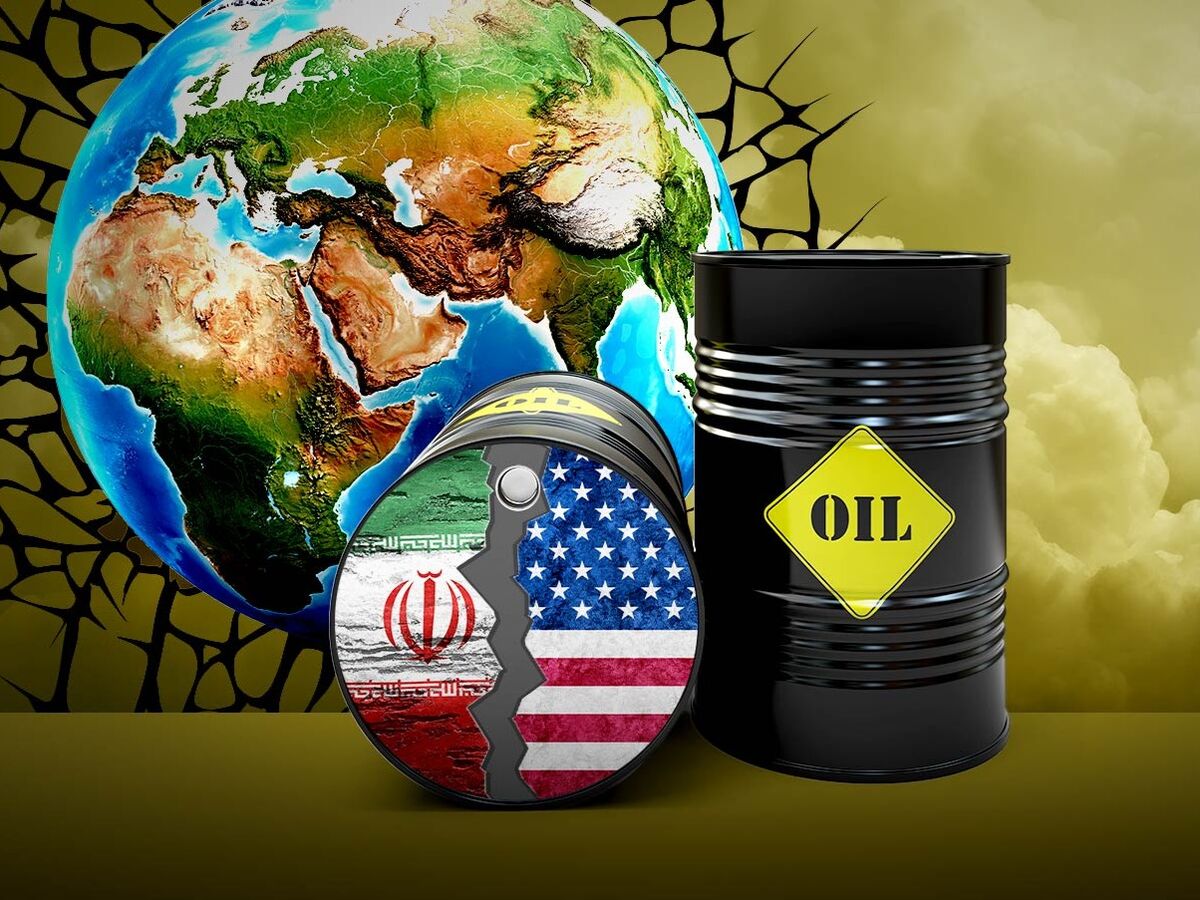
Oil surged and equities declined after US forces struck targets near Iran's Kharg Island and the port city of Jask, raising risks to regional energy infrastructure and shipping. Copper also reached a record for the second consecutive London session, supported by tight supply conditions and tariff concerns, adding to broader commodity-driven inflation and risk-off pressures.
Analysis
The market is likely underpricing the convexity of a sustained disruption risk premium: Iranian export impairment would tighten medium-sour crude availability disproportionately, benefiting US shale and oil-services more than integrated majors. XLE captures the broad beta, but OIH and select E&Ps such as FANG, DVN, and MTDR have greater operating leverage to a $10/bbl move in WTI; refinery beneficiaries are less clear because crude differentials and product-demand destruction can offset headline oil gains. Airlines (JETS), chemicals (XLB), and transport-heavy consumer names face near-term margin pressure before they can reprice fuel costs.
The immediate trade is vulnerable to de-escalation headlines, SPR-related policy responses, and a rapid reopening of shipping/insurance capacity; these could compress crude by 5-10% in days. Over 1-3 months, the critical indicators are physical differentials, tanker rates, Persian Gulf war-risk premia, and OECD inventory draws rather than front-month crude alone. A sustained rise in copper alongside oil is more macro-problematic: it raises the probability of renewed inflation breakeven pressure, delaying rate-cut expectations and pressuring long-duration equities.
Contrarian view: broad equity risk-off may be the cleaner expression than chasing an already-gapping oil future, but the most exposed equities may be import-dependent Asian refiners and European industrials rather than the S&P 500. Conversely, if the event remains geographically contained, oil-service equities could retain a portion of gains because higher realized prices improve North American drilling economics even after the geopolitical premium fades. Falsify the energy-over-industrials thesis if Brent falls back below its pre-event level, Gulf freight insurance normalizes, or E&P management teams fail to raise capital-return or activity guidance at next earnings.
AllMind Terminal
AI-powered research, real-time alerts, and portfolio analytics for institutional investors.
Request TrialMarket Sentiment
Overall Sentiment
moderately negative
Sentiment Score
-0.45
Key Decisions for Investors
- Initiate a 1-3 month long XLE / short XLI pair, sized modestly after the initial gap: energy captures higher realized pricing while industrial input and freight costs compress margins. Target 5-8% relative outperformance; exit if Brent retraces to its pre-event range or US gasoline demand weakens materially.
- Prefer OIH or a basket of FANG, DVN, and MTDR to supermajors for upside convexity, using call spreads rather than outright calls given headline-driven implied-volatility inflation. Hold through the next 4-8 weeks only if physical crude differentials and tanker rates confirm supply disruption.
- Hedge cyclical equity exposure with a tactical short JETS or puts on major airline exposure for 30-60 days; fuel is a large unhedged cost for many carriers and fare repricing lags. Cover on evidence of crude normalization or if carriers demonstrate fuel-cost pass-through in booking data.
- Do not chase copper producers solely on the price breakout. Set an alert for sustained LME backwardation and improving Chinese credit/industrial-demand data; absent those confirmations, tariff-driven stockpiling can reverse quickly and makes FCX/SCCO a watch item rather than a fresh long.
More News
- Next week brings major risks for the stock market, just as the AI trade keeps faltering
- AI Doubts Spread Cracks in Equities, Credit Markets: Evening Briefing Americas
- Stocks Fall as Oil Rally Keeps a Lid on Treasuries
- Energy markets are adapting to the Iran war as a ‘forever conflict’ while oil producers keep supplies flowing and avoid ‘mutually assured destruction’
- Kinder Morgan, Energy Transfer and Williams could benefit from cheap natural gas
- CrowdStrike CEO's alarming prediction — plus, the sell-off spreads beyond tech
From AllMind Research
- Anthropic IPO Preview: Valuation, Timing, and What to Watch
- Shein After the IPO: Venue, Valuation, and What Must Be Proved
- What AI Research Tools Should a Small Hedge Fund Buy First?
- Weekly Update: Unstructured Data Search, Ask AI, and Advanced Futures Data
- Best AI Stock Research Tools for Professional Investors