
Trump Says US Trade Deal With India Is ‘Pretty Close’
Source: Bloomberg
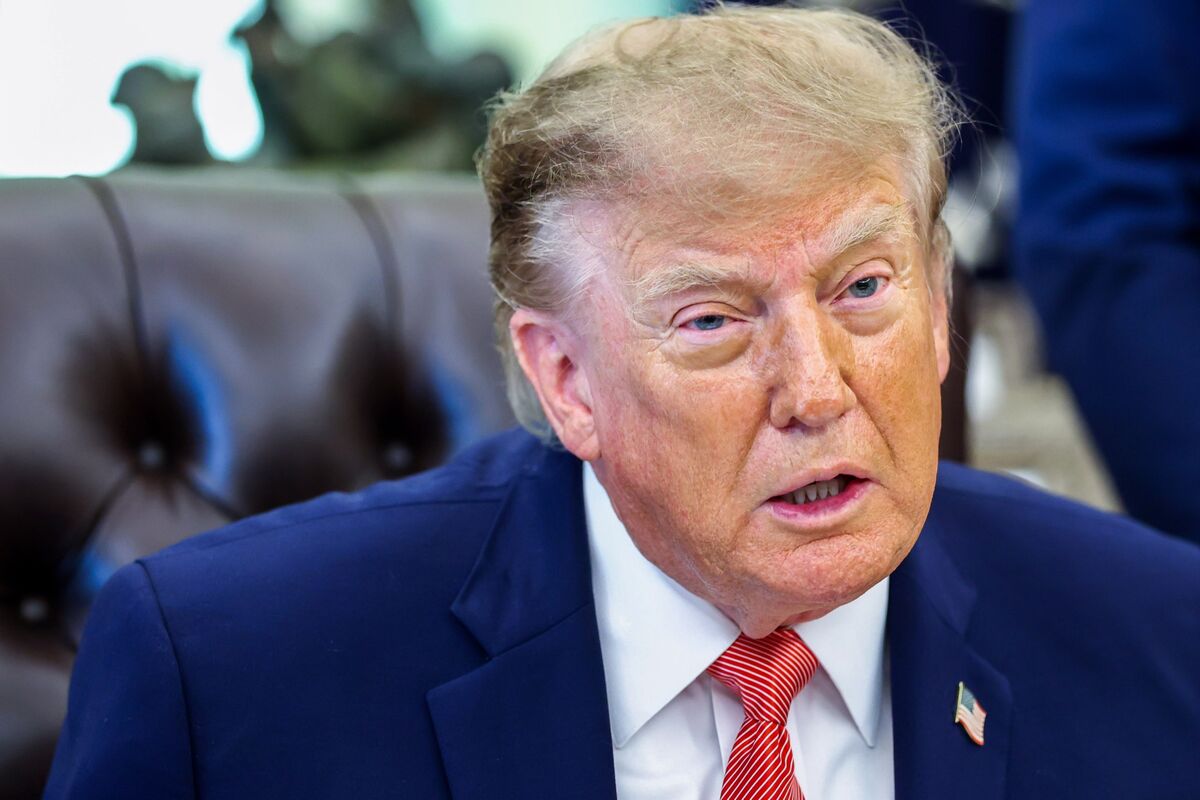
President Donald Trump said the US and India are “pretty close” to finalizing a trade deal after more than a year of negotiations. The agreement has not yet been finalized, and Trump did not provide a timeline or terms.
Analysis
The signal is about negotiation probability, not economic value: without scope, tariff schedules, rules of origin, or implementation timing, there is no defensible earnings revision yet. Any immediate move in India-linked assets risks pricing the headline before the distribution of benefits is known. If an agreement lowers barriers for Indian exports, the upside would be concentrated in the sectors actually covered; US importers could benefit from lower sourcing costs, while competing US producers could lose pricing power. Conversely, stronger Indian market access for US goods could pressure protected Indian industries. These are conditional effects, not established terms.
Over the next 1–3 months, the key catalysts are publication of a text, sector-level exclusions, and domestic approval or implementation milestones. A breakdown in talks or a deal with narrow commercial coverage would unwind optimism quickly. Over 6–18 months, verify whether trade flows and company guidance change; the structural case depends on execution, not the announcement. Contrarian point: the vague, optimistic wording may encourage a broad India-risk-on reaction even though sector winners cannot yet be identified. No fundamental trade is warranted on this statement alone.
AllMind Terminal
AI-powered research, real-time alerts, and portfolio analytics for institutional investors.
Request TrialMarket Sentiment
Overall Sentiment
mildly positive
Sentiment Score
0.20
Key Decisions for Investors
- Do not chase a broad India-equity or trade-sensitive rally on the comment alone; treat it as a low-conviction catalyst until the agreement text establishes coverage and timing.
- Set an alert for the published terms and compare tariff changes, exclusions, and rules of origin against exposure by sector. Only then assess Indian exporters and US importers versus protected domestic competitors.
- Watch for reversal signals: stalled negotiations, narrow carve-outs, delayed implementation, or company guidance that fails to reflect any trade benefit. A sustained move in India-linked assets without those confirmations is vulnerable to a headline giveback.
More News
- Jio’s Record $3.2 Billion IPO Puts India’s Market Muscle to the Test
- France to deploy troops, admits to failures over weekend unrest
- ‘I don’t care how it’s done’: Trump pressures Ukraine to cut peace deal
- As Macron visits Gulf, can France forge its own energy-for-security future?
- Nscale Anthropic in AI Computing Talks
- AI rally fades away from Wall Street as a tiny IPO makes big waves
From AllMind Research
- Anthropic IPO Preview: Valuation, Timing, and What to Watch
- Shein After the IPO: Venue, Valuation, and What Must Be Proved
- What AI Research Tools Should a Small Hedge Fund Buy First?
- Weekly Update: Adding Live MBO Level 3 Data - Liquidity Heatmap, OFI Charts, and More
- Alternative Data Due Diligence for Institutional Investors