The Fed’s upcoming meeting is increasingly expected to lean hawkish, with officials nearly unanimous over the past eight weeks in expressing concern about rising inflation. A strong May jobs report reinforced the case for tighter policy, raising the odds that the central bank’s next move could be an interest-rate hike. Markets are focused on the Fed’s communication as much as the policy path itself.
The market is still underpricing how quickly a more openly hawkish Fed can re-rate the front end of the curve. Even without a specific ticker implication, the immediate winners are cash-rich defensives, commodity-linked equities with real pricing power, and short-duration credit; the losers are levered cyclicals, long-duration growth, and rate-sensitive REITs/utilities that have been leaning on lower discount rates to justify valuations. The second-order effect is a broader tightening in financial conditions before policy actually changes, which can cool housing, capex, and M&A activity well ahead of any formal hike.
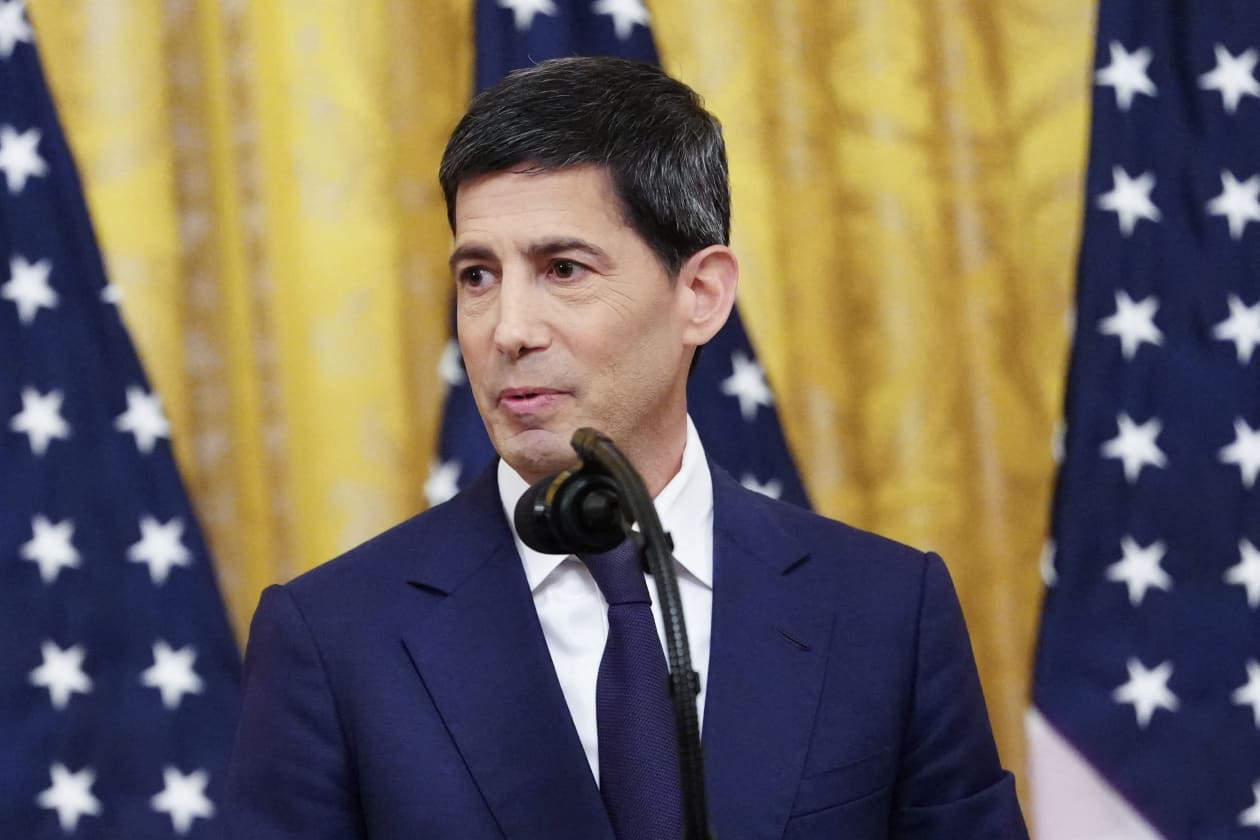
The key catalyst risk is not the hike itself but the communication regime shift: if the next chair is perceived as less ambiguous and quicker to validate tightening, implied vol at the front end should stay bid and curve-steepener trades become vulnerable. A 25 bp hawkish repricing in 2y rates can have outsized equity impacts because it typically compresses EV/EBITDA multiples far more than it changes near-term earnings. If the labor data stays firm for another 1-2 prints, the market may have to price a faster hiking path than consensus currently embeds.
Contrarianly, the consensus may be too focused on inflation persistence and not enough on how much of the move is already in positioning. That creates a setup where a dovish surprise is not necessarily a policy cut, but merely a softer-than-feared communication tone or a data miss; in that case, crowded short-duration/long-dollar positioning could unwind violently. The tradeable asymmetry is that the Fed can sound hawkish without moving rates immediately, but the market can reprice risk assets instantly, making options preferable to outright duration shorts here.
For cross-asset winners, the most defensible expression is relative: short long-duration equity proxies versus broad value/cash-flow names, and short intermediate Treasuries versus front-end protected structures. The timing matters: the next 10 days are a sentiment window, while the real P&L comes over 1-3 months as corporate guidance and financing costs adjust. Investors should expect the highest sensitivity in sectors that refinanced aggressively in 2020-2021 and now face a higher marginal cost of capital.
AI-powered research, real-time alerts, and portfolio analytics for institutional investors.
Request TrialOverall Sentiment
mildly negative
Sentiment Score
-0.15
