
World Sight Day: HelpMeSee Calls for Greater Investment in Surgical Workforce to Address Global Cataract Blindness
Source: PR Newswire
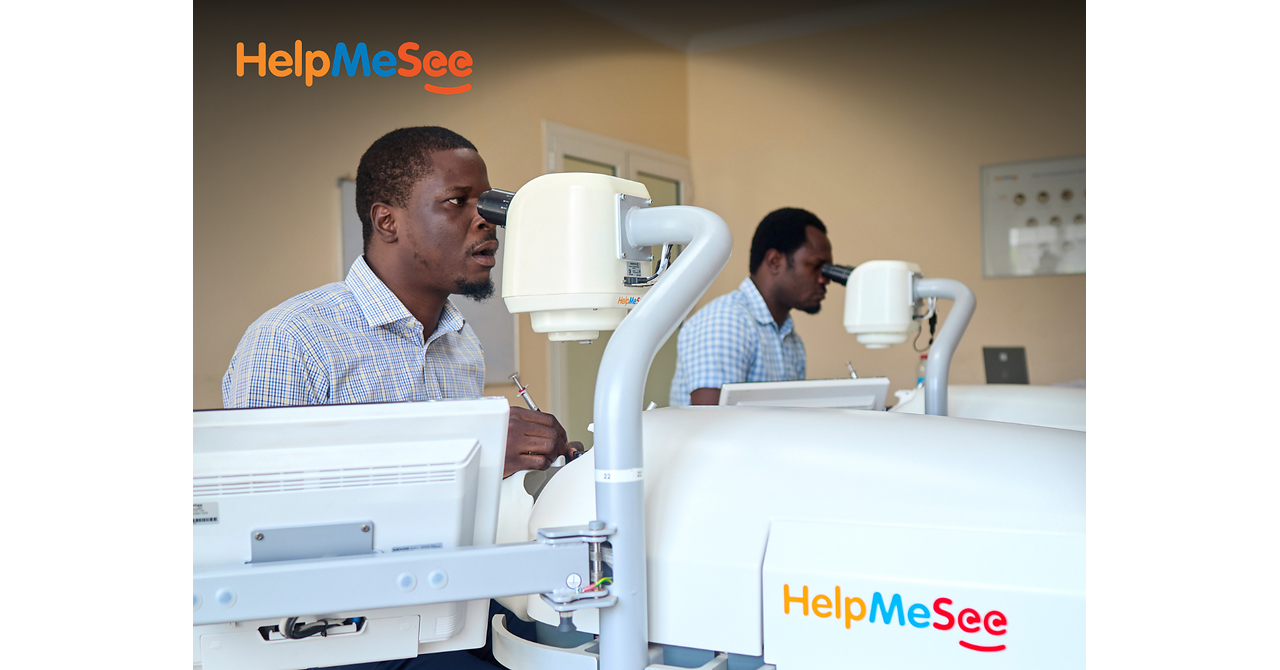
HelpMeSee says an estimated 94 million adults aged 50 and older live with vision impairment or blindness from untreated cataracts, and more than half of people globally who need cataract surgery cannot access it; in the WHO African Region, three in four remain untreated. The nonprofit is calling for sustained investment in surgical training and local capacity, including simulation-based training, as the WHO consults on a proposed initiative tied to a target of raising effective cataract surgery coverage by 30 percentage points by 2030. HelpMeSee is sponsoring a HIFA discussion from October 8–14 on cataract blindness, surgical quality and simulation-based training.
Analysis
This is an advocacy and workforce-capacity signal, not evidence of near-term commercial demand. HelpMeSee is a nonprofit and the supplied data identifies no investable company, so any read-through to listed eye-care suppliers is indirect. The key market mechanism is whether training translates into sustained procedure volume: trained surgeons without operating-room access, referral pathways, consumables, and funding will not lift equipment or implant sales. Moreover, low-cost MSICS can expand access while substituting for some capital-intensive phaco procedures, limiting the revenue upside for premium equipment vendors such as Alcon and Carl Zeiss Meditec.
Near term, the WHO consultation and upcoming summit may generate announcements, but policy intent is not funded procurement. Over 1–3 months, watch for budgets, training-center commitments, and measurable trainee-to-procedure conversion; over 6–18 months, durable capacity could support incremental demand across instruments and consumables, though the mix may favor lower-cost solutions. The contrarian point: headline unmet need is not equivalent to monetizable demand, and workforce training alone may not resolve infrastructure and affordability constraints. No direct trade is justified on this release. The thesis improves with funded programs and reported procedure growth; it weakens if commitments remain aspirational or trained capacity fails to reach clinical practice.
AllMind Terminal
AI-powered research, real-time alerts, and portfolio analytics for institutional investors.
Request TrialMarket Sentiment
Overall Sentiment
neutral
Sentiment Score
0.10
Key Decisions for Investors
- No event-driven position: the announcement provides no listed-company earnings catalyst or independently verified procurement commitment.
- Treat Alcon and Carl Zeiss Meditec as watch items, not buys on this news; verify whether future programs specify equipment procurement and whether added procedures use premium phaco systems or lower-cost MSICS.
- Monitor the WHO consultation and Global Summit for funded country-level programs, procurement awards, and training-to-surgery metrics; these are more actionable than policy targets or NGO statements.
- Falsification/watch trigger: if announced training expansions are not accompanied by operating capacity, consumables, and a sustained increase in completed surgeries over the next 6–18 months, assume the commercial read-through is negligible.
More News
- Verizon stock heads for worst day since 2002 as SpaceX U.S. network plans whack telcos
- Israel’s economy prospers despite years of war, but prices worry voters
- SpaceX’s Wireless Threat Rises With Spectrum Deal
- SpaceX to buy key spectrum that could help Starlink Mobile become major US cell carrier
- Why is T-Mobile stock tumbling today?
- What's behind the recovery rally in tech stocks — plus, Elon Musk's very good week