
InkSonic Launches Spark F13, a 13-Inch DTF Printer Built for Small Businesses
Source: PR Newswire
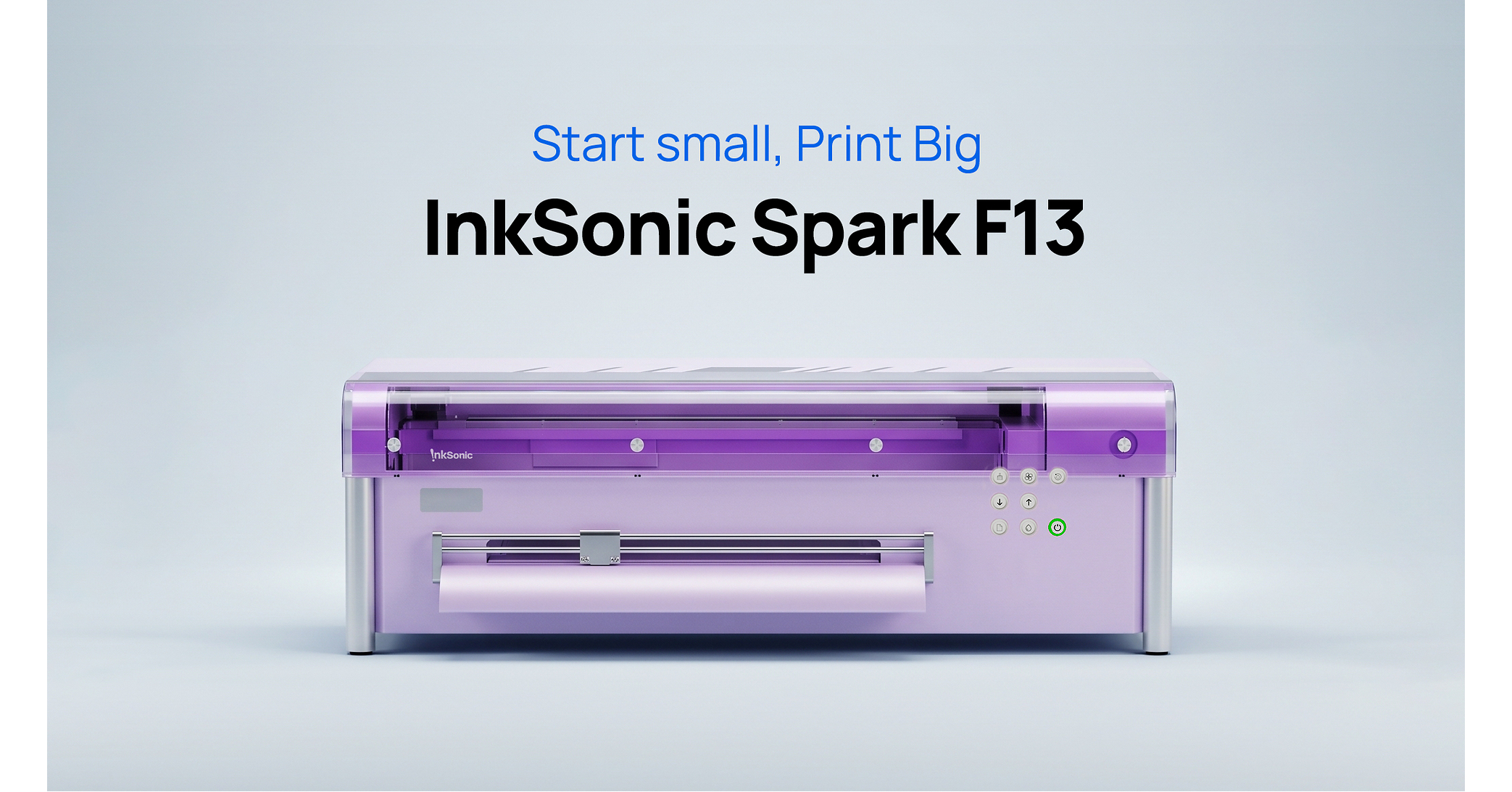
InkSonic launched the Spark F13, a 13-inch direct-to-film printer aimed at Etsy and Shopify sellers, small apparel shops, and home-based businesses. The product features ink-level alerts, automated printhead maintenance, and connected real-time workflow monitoring to reduce downtime and simplify small-batch custom apparel production. The printer becomes available on September 15, 2026, through InkSonic's website, with early-access waitlist registration open.
Analysis
This is not a meaningful near-term earnings driver for SHOP or ETSY: the printer vendor is private, unit economics, shipment volume, consumables attach rate, and distribution terms are undisclosed. The relevant mechanism is marginally lower fixed-cost and operational complexity for micro-merchants, which can expand the long tail of apparel listings rather than create incremental platform demand. That is more likely to increase SKU proliferation and price competition than GMV per seller.
For ETSY, easier on-demand apparel production is directionally mixed over 6-18 months. New seller formation can support active listings and transaction volume, but customized shirts and tote bags are highly commoditized; greater supply can pressure conversion, advertising ROI, and incumbent seller economics. SHOP has the cleaner optionality because merchants using owned storefronts retain customer data and can scale direct-to-consumer repeat purchases, although this product alone is far too small to alter merchant-solutions growth.
The contrarian read is that desktop DTF adoption may be less disruptive than advertised. Maintenance automation does not eliminate demand volatility, paid-acquisition costs, fulfillment complexity, or marketplace search competition—the binding constraints for most creator businesses. Treat waitlist and launch language as marketing rather than evidence of installed-base growth; a trade signal would require observable increases in apparel-category merchant creation, transaction frequency, or paid app/fulfillment attach rates.
AllMind Terminal
AI-powered research, real-time alerts, and portfolio analytics for institutional investors.
Request TrialMarket Sentiment
Overall Sentiment
mildly positive
Sentiment Score
0.30
Ticker Sentiment
Key Decisions for Investors
- No standalone position based on this launch; impact is below the threshold for a catalyst trade in SHOP or ETSY over the next 1-3 months.
- Maintain a watch item on ETSY: become tactically cautious only if apparel/listing growth materially outpaces GMS growth for two consecutive quarters, indicating supply dilution rather than demand creation; that would be a potential short catalyst versus SHOP.
- For existing SHOP exposure, monitor merchant additions, Shop Pay penetration, and merchant-solutions revenue over the next 2-4 quarters. A sustained acceleration in small-merchant formation with stable GMV per merchant would support a long SHOP / short ETSY relative-value expression.
- Falsification for the negative ETSY supply-dilution thesis: improving Etsy apparel conversion and take-rate/ad-revenue productivity alongside listing growth. If those metrics hold, incremental creator supply is monetizing rather than commoditizing the category.
More News
- AI search will boost online marketplace stock, Oppenheimer says
- Oppenheimer upgrades Etsy stock rating on AI search benefits
- Etsy stock rises after Oppenheimer upgrade to Outperform
- Jim Cramer's top 10 things to watch in the stock market Tuesday
- China's AI leaders keep quiet despite U.S. 'publicity' on tech risks
- AWS says it can't restore service to Bahrain, UAE facilities 6 months after Iran strikes
From AllMind Research
- Anthropic IPO Preview: Valuation, Timing, and What to Watch
- Shein After the IPO: Venue, Valuation, and What Must Be Proved
- What AI Research Tools Should a Small Hedge Fund Buy First?
- Weekly Update: Sector Analysis, Improvements on Research Data, and Performance Enhancements
- Choosing an AI Copilot for Equity Research