
Alors que Live Nation entame sa semaine la plus chargée de l'année, un nouveau rapport mondial révèle un retour au réel
Source: PR Newswire
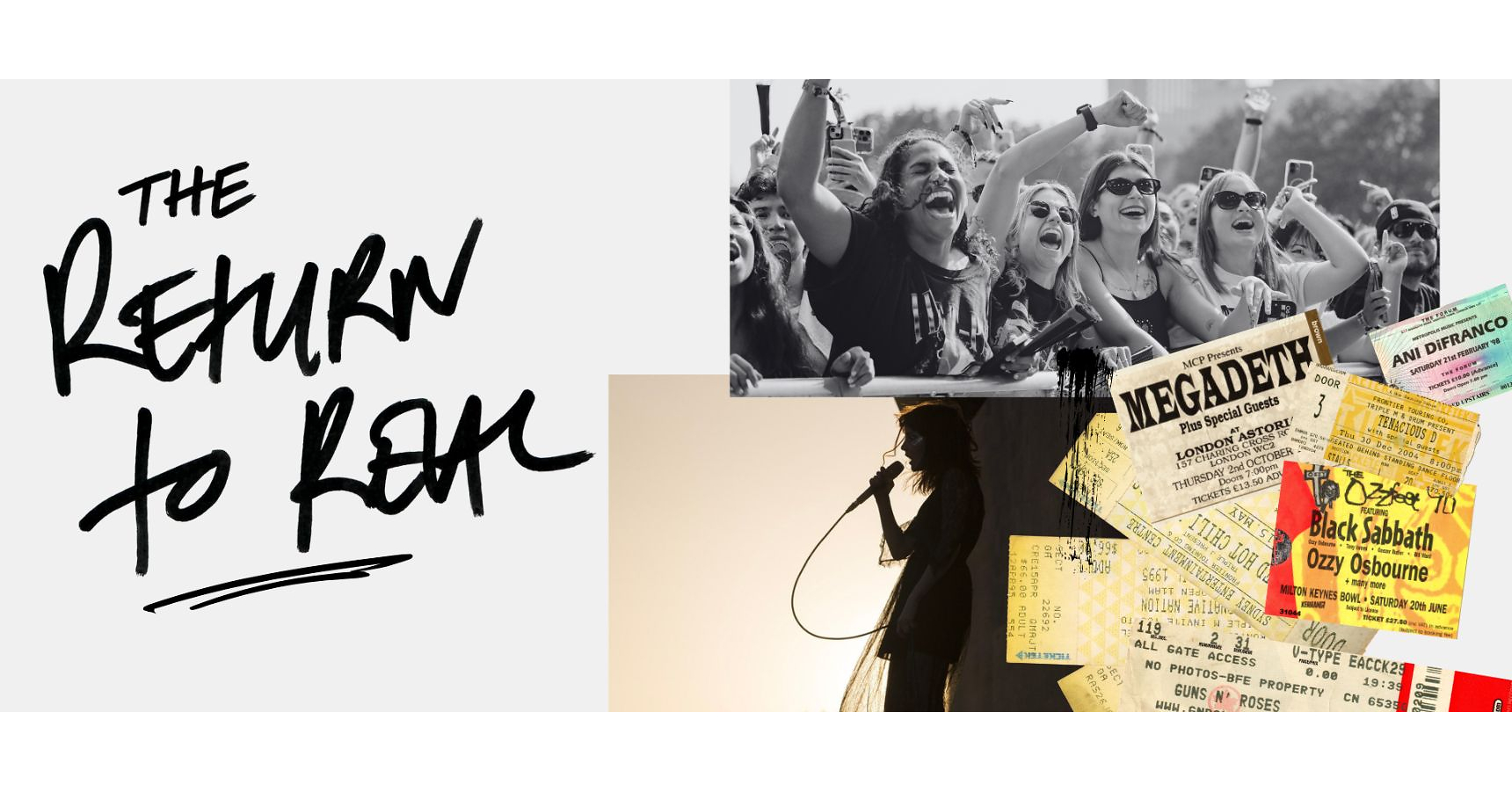
Live Nation expects its busiest U.S. event-attendance week of the year, underscoring continued strength in demand for live entertainment. Its global fan survey found that 93% prefer real-world over digital experiences and 80% would rather spend on experiences than physical goods. The report also highlights an opportunity for brands: 64% of fans report lower brand loyalty, while more than 90% say concert-related perks could motivate them to join or switch loyalty programs.
Analysis
The relevant investable signal is not the survey result but the monetization flywheel: incremental sponsor demand for access, presales and VIP inventory can carry materially higher margins than the underlying ticket. LYV's Media & Sponsorship segment is therefore the cleanest beneficiary if brands increasingly shift loyalty budgets from discounting toward experiential acquisition; each additional sponsorship dollar has limited venue-capacity cost and can improve consolidated mix even if concert ticket growth normalizes.
Near term, this is unlikely to change LYV estimates without disclosed sponsorship bookings, ticket yield, or deferred-revenue trends. Over 1-3 months, monitor whether the seasonal attendance peak translates into stronger 2027 sponsorship commitments and ancillary spend per fan rather than merely high traffic; the key falsifier is flat or declining sponsorship revenue growth alongside elevated artist guarantees, which would expose operating leverage in Concerts. Over 6-18 months, exclusive access becomes a competitive moat for Ticketmaster only if its inventory and data advantages survive regulatory remedies.
MA has a low-capital option on experience-led loyalty spend: issuer-funded concert access can support card acquisition and retention, but the financial effect will be immaterial relative to cross-border volume and consumer-spend trends. SPOT benefits strategically from converting digital discovery into real-world utility, yet this is more likely to improve engagement and advertising differentiation than near-term gross margin. LOW's use of concerts is principally a retention-marketing expense; absent evidence of lower customer-acquisition cost or higher Pro/customer lifetime value, it should not command a valuation premium.
Contrarian view: the market may over-extrapolate stated preferences into durable discretionary-demand growth. Live events remain vulnerable to consumer trade-down, and higher ticket/ancillary prices can shift spend toward smaller venues, local entertainment, and travel alternatives. The more actionable question is whether brands fund access from existing loyalty budgets—margin-positive for LYV—or whether they demand subsidized inventory, which would dilute yield.
AllMind Terminal
AI-powered research, real-time alerts, and portfolio analytics for institutional investors.
Request TrialMarket Sentiment
Overall Sentiment
mildly positive
Sentiment Score
0.32
Ticker Sentiment
Key Decisions for Investors
- Maintain or add a tactical LYV long on weakness over the next 1-3 months, contingent on evidence of double-digit Media & Sponsorship growth and stable Concerts margins. Target a 10-15% upside from sponsorship-mix re-rating; exit if the next earnings release shows sponsorship deceleration or artist-guarantee pressure driving margin down.
- Use a LYV / LOW pair trade over 6-12 months: long LYV, short LOW in equal beta-adjusted dollars. The thesis is that LYV monetizes brand experiential budgets directly while LOW bears the expense; cover the short if LOW demonstrates measurable loyalty-led sales or margin acceleration.
- Do not initiate a standalone MA or SPOT trade from this release. Set alerts for MA cross-border volume and marketing-spend commentary, and for SPOT disclosure of concert-access conversion, premium churn, or ad monetization; without those metrics, the claimed partnership value is not estimable.
- For LYV holders, treat any material Ticketmaster regulatory remedy, especially mandated inventory access, fee constraints, or data-sharing requirements, as a thesis-risk event rather than a buying opportunity. A remedy that weakens exclusive inventory would reduce the long-term value of sponsor and card-network access partnerships.
More News
- What investors need to know about Alphabet's stock-busting earnings report
- Wendy's shares jump 15% as Nelson Peltz's Trian offers $1.4 billion to buy burger chain
- RBC Capital cuts Sprouts Farmers Market stock rating on margin concerns
- Microsoft's Big Bets on AI Start to Pay Off
- China’s tech darlings are losing their shine. Here’s what’s behind the sell-off
- Google's Gemini 4 Carbon looks like a diamond in the rough