
Stocks Are Due for a ‘Gut Check’ From Rates, Oil and the Dollar
Source: Bloomberg
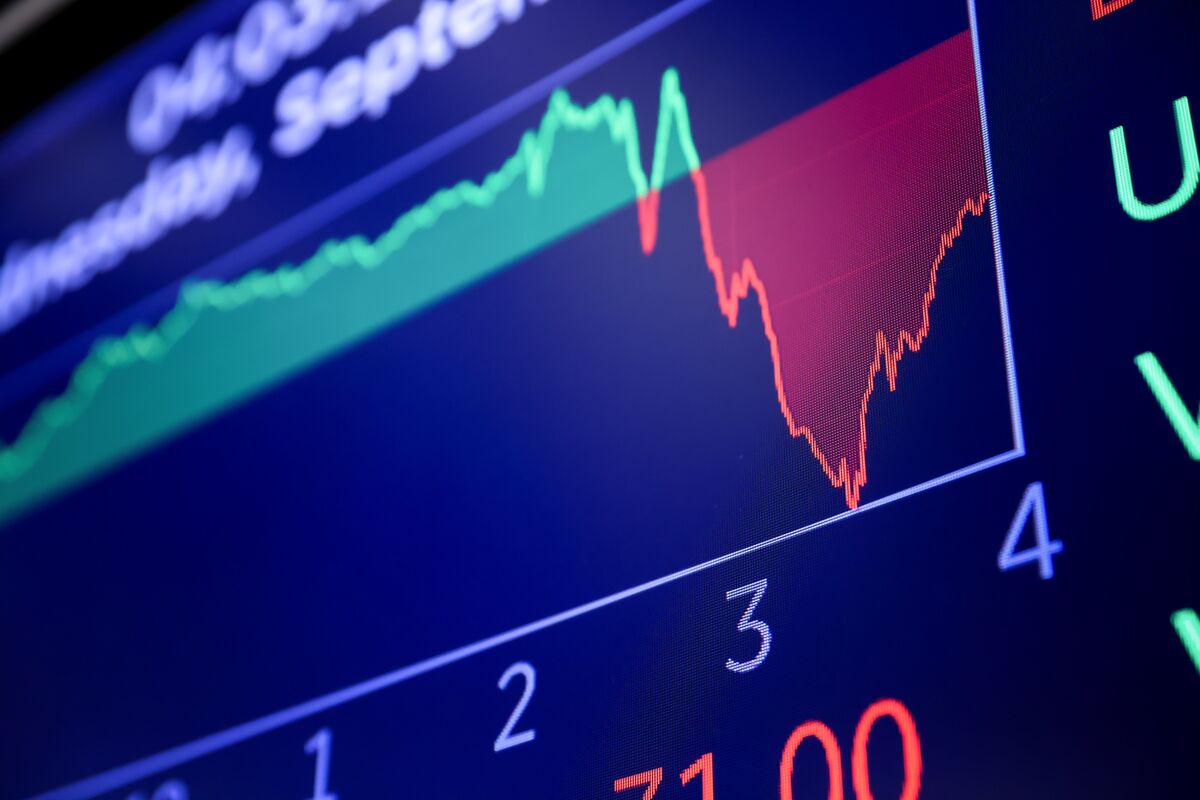
Jim Paulsen says the combination of $100 oil, 5% Treasury yields and an elevated dollar has yet to weigh fully on US stocks. He cites prior periods when all three pressures coincided with declines of as much as 15% in the S&P 500 over the following three to five months. US stocks recently recorded their first record since August; a repeat decline could leave the index down for the year for the first time since 2022.
Analysis
The risk is a correlated squeeze, not three independent headlines: oil can pressure real household spending and input costs, higher yields raise the hurdle rate for long-duration equities, and dollar strength tightens financial conditions while reducing the translated value of overseas earnings. If those forces persist together, weakness could broaden from rate-sensitive growth stocks into consumer and globally exposed companies; energy producers may be relative beneficiaries, though a demand shock would eventually undermine that hedge.
The historical drawdown cited is a scenario, not a reliable forecast. It may overstate risk if earnings estimates remain resilient, yields fall, or oil retreats; a stronger dollar also lowers import costs. The key question is whether markets are pricing a temporary macro combination or a persistent hit to earnings and valuation multiples. Near term, the record high may leave positioning vulnerable to a rates or oil surprise. Over 1–3 months, watch earnings revisions, Treasury yields, the dollar, and evidence of consumer or margin pressure. Over 6–18 months, sustained investment and discount-rate effects matter more than a single historical analogue.
AllMind Terminal
AI-powered research, real-time alerts, and portfolio analytics for institutional investors.
Request TrialMarket Sentiment
Overall Sentiment
mildly negative
Sentiment Score
-0.30
Key Decisions for Investors
- Consider a defined-risk S&P 500 put spread via SPY as a 1–3 month hedge rather than an outright short: enter selectively on further index strength or if yields and oil rise together. The premium is the known risk; the hedge thesis weakens if yields ease, oil falls, and forward earnings estimates stabilize.
- Favor relative positioning over a broad bearish bet: consider energy exposure against rate-sensitive or consumer-discretionary equities only if oil strength is supply-driven and demand indicators remain sound. Reverse that tilt if oil rises alongside deteriorating activity data, when energy’s inflation hedge may fail.
- Monitor whether the joint pressure is reaching fundamentals: track S&P 500 forward earnings revisions, consumer-spending indicators, and company commentary on input costs and foreign-exchange translation. Without deterioration in these measures, treat the historical 15% drawdown analog as a caution flag, not a base case.
- Falsification triggers: a sustained decline in oil, a retreat in Treasury yields or the dollar, and stable-to-improving earnings revisions would argue against adding downside hedges. Conversely, simultaneous renewed strength in all three macro pressures plus broad estimate cuts would support extending protection.
More News
- Marvell just gave a bullish outlook. It led TD Cowen to upgrade the stock
- Saudi’s economic transformation collides with war and falling FDI
- Chevron CEO warns against 'unwise' diesel export ban, saying it could make things worse
- Rubio says Tehran missed 'multiple' chances for nuclear deal amid Iran stalemate
- 'Get your house in order': IMF chief's stark warning for France over surging bond yields
- US sets new demands for Iran deal: What are they?