
Iran Said to Have Preserved Its Missile Factories: Evening Briefing Americas
Source: Bloomberg
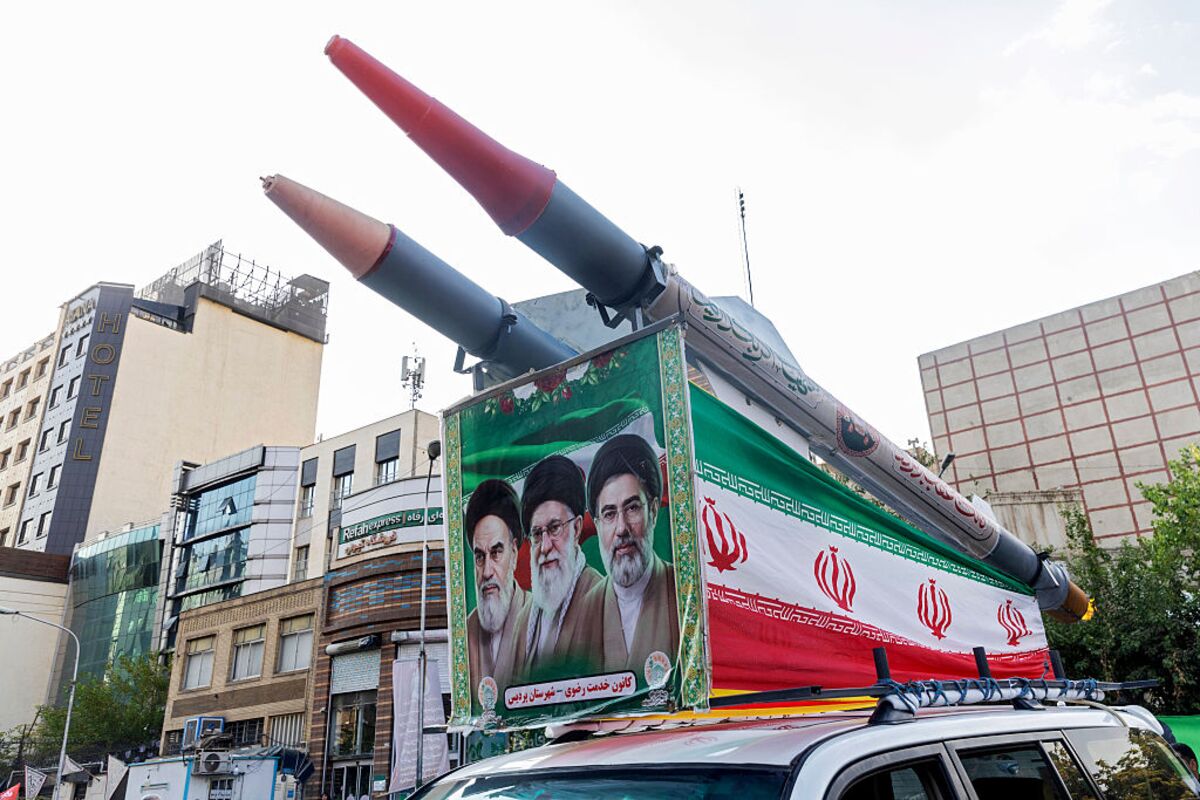
Iran is said to have preserved its missile and drone factories through months of US-Israeli bombing, enabling it to replenish arsenals during the current lull in fighting. A Western official also said Russia was providing missiles and reportedly helped Iran target American bases in the region, some of which were damaged or destroyed.
Analysis
The strategic implication is a shift from a presumed one-off degradation of Iranian capability toward a potentially longer replenishment contest. If the reporting is corroborated, surviving production capacity and external resupply could raise the expected duration and recurrence of regional threats—not necessarily the near-term likelihood of a strike. That matters more for the tail of energy, shipping, and insurance outcomes than for an immediate change in oil supply. Defense contractors could benefit over 6–18 months if governments convert the threat into funded orders; near-term upside is less certain because procurement budgets, production capacity, and order timing—not threat headlines—drive realized revenue. The key contrarian point: intact facilities do not establish output rates, inventory levels, or the scale and reliability of Russian deliveries. Treat the claims as unverified until independently corroborated. Over the next 1–3 months, watch for evidence of renewed attacks, verified weapons transfers, changes in Gulf shipping/insurance costs, and defense procurement revisions. A de-escalation that holds, or evidence that production and resupply are materially constrained, would unwind the risk premium.
AllMind Terminal
AI-powered research, real-time alerts, and portfolio analytics for institutional investors.
Request TrialMarket Sentiment
Overall Sentiment
mildly negative
Sentiment Score
-0.30
Key Decisions for Investors
- Avoid chasing a broad defense-equity rally on this report alone. Reassess only if official procurement plans or company order disclosures show incremental, funded demand; otherwise, the link from threat to earnings remains conditional.
- For a defined-risk event hedge, consider a small Brent call spread only if independent confirmation of resupply or renewed hostilities coincides with rising shipping-insurance costs or a sustained oil risk premium. Limit loss to the premium; the lull and lack of verified supply disruption make an outright directional oil position unattractive.
- Track Gulf tanker rates and insurance premiums as earlier indicators than reported damage to production sites. A sustained decline despite further corroboration would weaken the market-impact thesis; a sharp rise would support hedging energy-sensitive exposure.
- Falsification watch: verified evidence of low Iranian output or disrupted resupply, no renewed attacks through the next several months, and no upward procurement revisions would argue against a durable defense-demand or energy-risk repricing.
More News
- Trump's diesel agreement with Putin accused of contradicting Russia sanctions law
- Authorities said Houthi-claimed attacks on Riyadh airport killed three Saudi citizens, as airlines suspend at least 124 flights
- Trump reaches Russian diesel supply deal as U.S. fuel prices surge
- Putin tells Trump peace talks are unlikely, cites Ukraine drone attacks
- Trump struck a diesel deal with Putin just weeks after signing Russia sanctions. Zelenskyy calls it ‘a weak decision’
- Pilot killed in attacks by Iran-backed Houthis on Riyadh airport; Saudi-led coalition vows 'firm' response
From AllMind Research
- Anthropic IPO Preview: Valuation, Timing, and What to Watch
- Shein After the IPO: Venue, Valuation, and What Must Be Proved
- What AI Research Tools Should a Small Hedge Fund Buy First?
- Weekly Update: Advanced Search Filters, Redesigned Ticker Dashboard, and Improved Search Experience
- How to Build an Automated Research Process for a Fund