
Bet on These Defense ETFs Amid Escalating Yemen War
Source: zacks.com
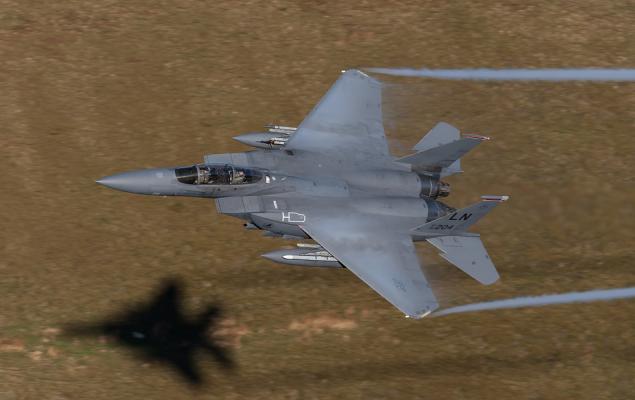
The article argues escalating Houthi attacks could lift demand for air-defense systems, missiles and radar, benefiting defense contractors with Saudi exposure. Saudi Arabia signed a $142 billion U.S. defense agreement in May 2025, and the U.S. approved a nearly $2 billion package in July 2026 that includes roughly 20,000 BAE Systems-supplied guidance kits. It highlights ITA, XAR and NATO as diversified ETF options, with expense ratios of 37, 35 and 35 bps, respectively; the article reports no ETF performance or market reaction.
Analysis
The investable mechanism is not simply higher defense spending: it is whether sustained interceptor use converts into funded replenishment orders, then into deliveries and recognized revenue. That chain can take quarters, and a higher order headline may initially absorb working capital or expose production bottlenecks before improving cash flow. Cheap drones also create an unfavorable cost-exchange problem if buyers rely heavily on expensive interceptors; demand may shift toward radar, electronic warfare and lower-cost counter-drone systems rather than flow proportionally to the named primes.
RTX and Lockheed Martin appear most directly exposed to air-defense replenishment, while BAE Systems could benefit through guidance kits. But the article provides no contract-level allocation, delivery schedule, margin data or evidence that the reported approvals are incremental to existing plans. Boeing's broad defense exposure makes its sensitivity less direct. Near term (days), escalation headlines can lift the sector, but that is not evidence of earnings revisions. Over 1–3 months, watch funded awards, production-rate commentary and backlog conversion; over 6–18 months, capacity, export approvals and Saudi execution determine the payoff. A ceasefire, procurement delays, export restrictions, or replenishment using non-U.S. suppliers could reverse the thesis. The article's ETF holding descriptions are internally inconsistent, and NATO's cited trading volume implies potential liquidity costs; verify current holdings and spreads before using it. The contrarian point: the demand narrative may be directionally right but the article leaps from threat to contractor revenue without establishing timing or incremental economics.
AllMind Terminal
AI-powered research, real-time alerts, and portfolio analytics for institutional investors.
Request TrialMarket Sentiment
Overall Sentiment
mildly positive
Sentiment Score
0.25
Ticker Sentiment
Key Decisions for Investors
- Do not chase defense ETFs solely on the incident headline. Treat the theme as a watchlist until contract funding and delivery timing are independently confirmed.
- For a tactical basket, consider a modest long XAR rather than a concentrated single-prime bet; its more balanced exposure reduces dependence on one award, but also dilutes direct air-defense sensitivity. Enter on a sector pullback, not a gap-up; reduce or exit if subsequent company updates show no funded replenishment or if the escalation de-escalates.
- Prefer monitoring RTX and Lockheed Martin for air-defense order/backlog and production-rate updates, and BAE Systems for guidance-kit awards. Do not infer material earnings upside until contract value, delivery schedule and margins are disclosed.
- Before trading NATO, verify its current holdings, bid-ask spread and liquidity: the article's weight disclosures conflict, and thin trading can erase any diversification benefit during volatile sessions.
More News
- Here are Friday's biggest analyst calls: Nvidia, SpaceX, Tesla, Boeing, Apple, American Express & more
- Trump's diesel agreement with Putin accused of contradicting Russia sanctions law
- Trump reaches Russian diesel supply deal as U.S. fuel prices surge
- Verizon stock heads for worst day since 2002 as SpaceX U.S. network plans whack telcos
- Authorities said Houthi-claimed attacks on Riyadh airport killed three Saudi citizens, as airlines suspend at least 124 flights
- French yields are near levels not seen since 2002. Why that could give U.S. Treasurys a boost