
Ideal Option Opens Specialized Addiction Medicine Clinic in Medford
Source: PRWeb
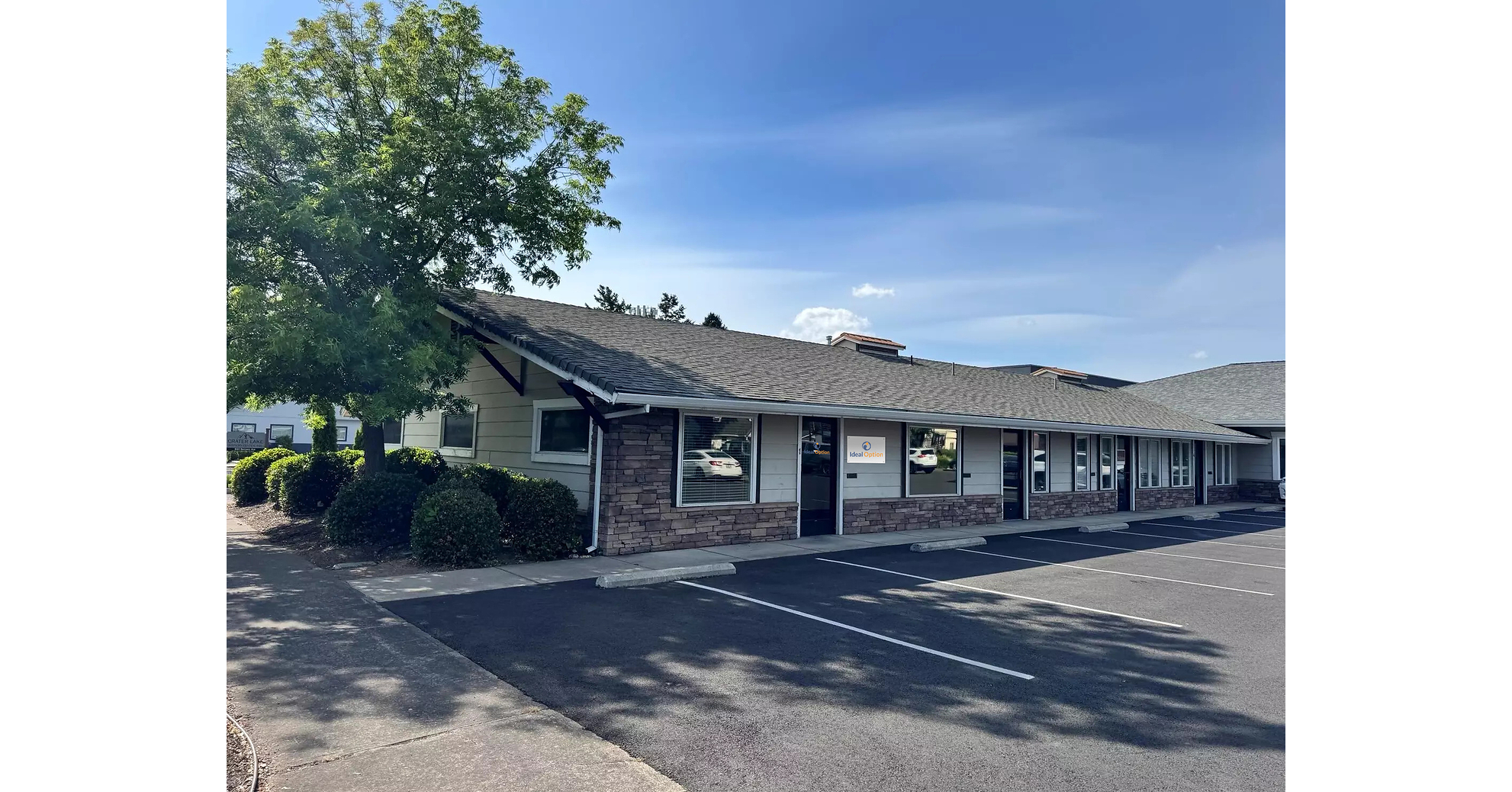
Ideal Option opened its first Jackson County, Oregon medication-assisted-treatment clinic in Medford, expanding its network to more than 80 clinics across nine states. The launch addresses persistent local substance-use needs despite Oregon overdose deaths falling 16% year over year to 1,544 in 2024 and continuing to decline in 2025; Jackson County recorded a record 479 DUII arrests in 2025. The company reports that Oregon patients advancing to maintenance treatment reduced opioid use by 93% and stimulant use by 84%.
Analysis
This is not a public-markets catalyst: Ideal Option appears privately held, the site opening is small relative to national managed-care and provider earnings, and the outcome statistics are company-reported rather than independently audited. No immediate directional trade is warranted in HUM, CVS, CNC, ELV, or MOH solely on this development.
The investable read-through is longer dated: low-acuity medication-assisted treatment can shift opioid-use-disorder care away from emergency departments, inpatient detox and correctional settings. That is modestly favorable to Medicaid-focused payers and community-based behavioral-health operators if reimbursement is capitated or value-based, but it can pressure fee-for-service hospital utilization in Oregon; the local revenue effect is immaterial for large public systems. The limiting variable is not clinic capacity but retention, clinician availability and Medicaid reimbursement adequacy.
Over 6-18 months, Oregon’s policy direction toward treatment access could create incremental demand for pharmacy dispensing and generic buprenorphine, but branded exposure is limited and fragmented. The more material second-order risk is that improved treatment access reduces high-cost acute claims, potentially supporting Oregon Medicaid margins; however, savings often accrue to state budgets rather than insurers when rate-setting lags actual utilization trends.
Contrarian view: a single-clinic expansion should not be extrapolated into a broad behavioral-health demand inflection. A sustained decline in overdose mortality may eventually reduce urgency-driven public funding growth, while the highly promotional abstinence claims do not establish incremental patient retention, payer mix, reimbursement yield, or clinic-level profitability—the metrics required to underwrite a scalable provider thesis.
AllMind Terminal
AI-powered research, real-time alerts, and portfolio analytics for institutional investors.
Request TrialMarket Sentiment
Overall Sentiment
mildly positive
Sentiment Score
0.28
Key Decisions for Investors
- No trade on the release; keep broad managed-care exposure unchanged because the expected earnings impact is de minimis.
- Add a 1-3 month monitoring item for Oregon Medicaid: track 2027 behavioral-health rate notices, MAT reimbursement changes and coordinated-care-organization utilization data. A favorable rate revision would be incrementally positive for Centene (CNC) and Molina (MOH), subject to state-specific membership exposure.
- For hospital books, monitor Oregon emergency-department and substance-use admissions over the next 2-4 quarters rather than shorting providers on this news. Consider a hospital-underweight only if lower acute utilization becomes visible in reported volumes without offsetting rate increases.
- Require independently disclosed patient retention, visits per patient, payer mix and clinic contribution margin before assigning valuation significance to any future Ideal Option financing, acquisition, or public-market comparable.
More News
- What investors need to know about Alphabet's stock-busting earnings report
- Our next steps for Alphabet stock after earnings disappoint at nearly every turn
- Fortinet’s stock is taking a dive after earnings. Here’s why.
- Wendy's shares jump 15% as Nelson Peltz's Trian offers $1.4 billion to buy burger chain
- Microsoft's Big Bets on AI Start to Pay Off
- Google's Gemini 4 Carbon looks like a diamond in the rough