
Rove Enters Canada With Ontario Launch
Source: PR Newswire
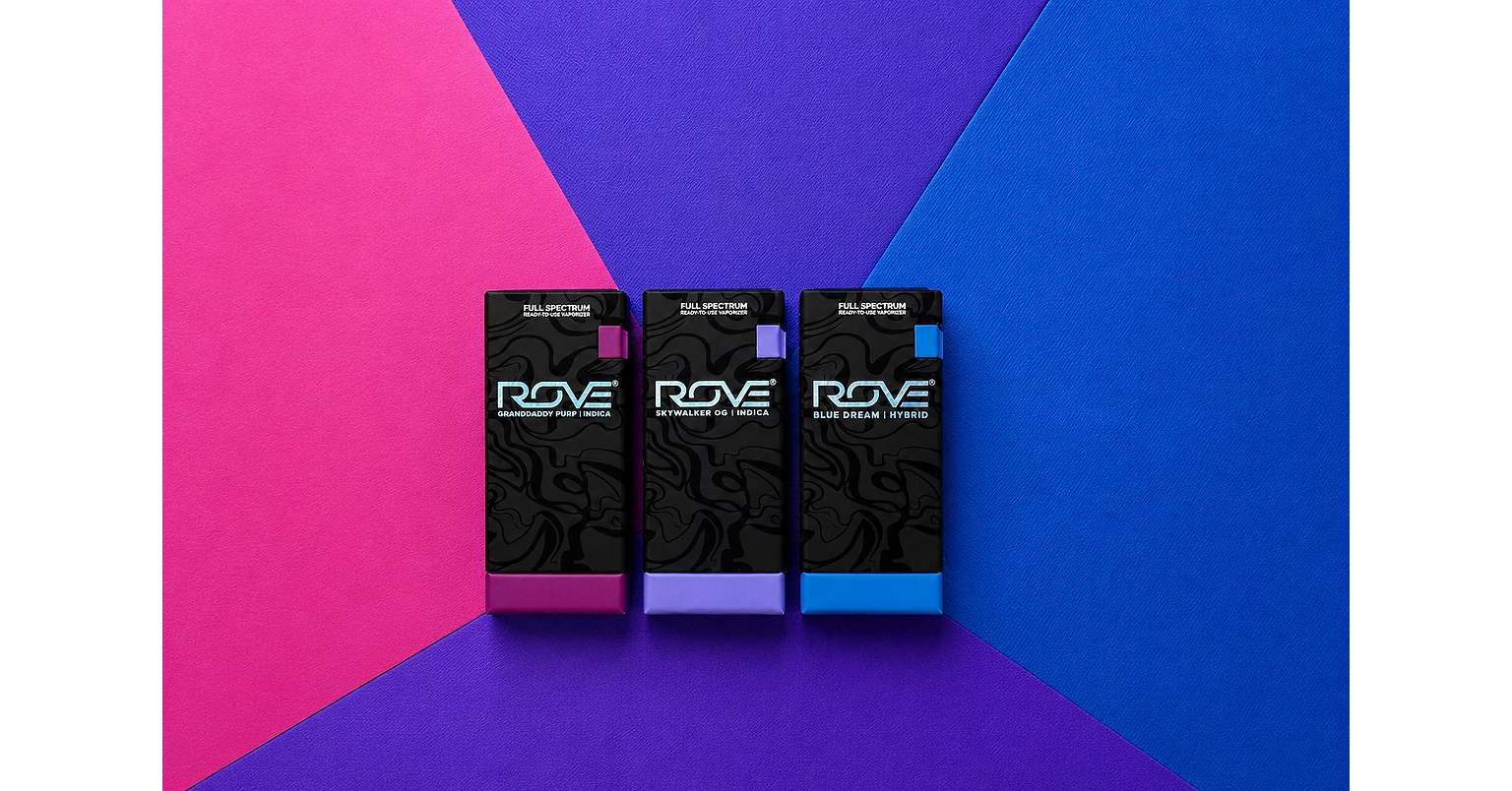
Rove launched its cannabis vape products in Ontario, Canada, its first international market, with the Diamond Series Minibar now available for retailer ordering through the Ontario Cannabis Store. The independent U.S. cannabis brand generates more than $100 million in annual revenue and is sold in over 3,000 dispensaries across 16 states. Rove plans to expand beyond Ontario into additional Canadian provinces in coming months, extending its addressable market but with limited near-term public-market implications.
Analysis
This is not directly investable: Rove is private, and the release does not identify the Canadian licensed producer, distributor, or manufacturing partner that captures the economics. The key watch item is the OCS SKU/licensing record; a disclosed partnership with a listed LP could create a modest revenue catalyst, but the initial rollout alone is immaterial to TLRY, OGI, WEED, CRON, or VFF valuations. Until that linkage is verified, treating this as a sector-wide demand signal would be an overread of promotional news.
The competitive effect is more relevant than the incremental category sales. Premium U.S. brands can pressure Canadian vape incumbents through higher brand recognition, formulation differentiation, and retailer shelf allocation, forcing promotional spend or lower wholesale pricing. That is most negative for Canadian operators with outsized exposure to concentrates/vapes and weak brand equity; it is less important for low-cost cultivators such as VFF, whose value proposition is production economics rather than premium-branded extracts.
Over the next 1-3 months, sell-through rankings, reorder velocity, and provincial expansion—not initial listings—will determine whether this represents consumer trade-up or merely substitution within a mature category. A successful premium launch could modestly improve category mix and gross-margin pools for the undisclosed local producer, while price competition would likely offset the benefit for public Canadian LPs. Over 6-18 months, repeated U.S.-brand entries would favor scaled distributors and efficient domestic contract manufacturers over branded Canadian cultivators.
Contrarian view: the market may initially frame cross-border brand entry as validation for Canadian cannabis demand, but Ontario's centralized procurement and retailer inventory discipline make broad-based volume upside unlikely without evidence of sustained reorder rates. The larger risk is that premium entrants fragment already constrained shelf space, increasing customer-acquisition costs and inventory markdown risk across incumbent brands.
AllMind Terminal
AI-powered research, real-time alerts, and portfolio analytics for institutional investors.
Request TrialMarket Sentiment
Overall Sentiment
moderately positive
Sentiment Score
0.45
Key Decisions for Investors
- No directional cannabis-sector trade on this release. Set an alert for disclosure of Rove's Canadian manufacturing/licensing counterparty and OCS SKU-level sales rankings; only then assess a 1-3 month long catalyst in the identified public partner.
- Maintain a relative-quality bias: long VFF versus short a higher-cost Canadian branded LP basket (e.g., WEED/OGI) only if Ontario vape pricing or promotional intensity worsens over the next two reporting periods. Thesis: low-cost cultivation is more insulated than premium vape brand margins; exit if gross-margin trends stabilize or VFF loses its cost advantage.
- For existing longs in TLRY, OGI, WEED, or CRON, require evidence that vape/concentrate net revenue and gross margin are holding despite new-brand shelf additions. A sequential category-margin decline or increased inventory provisions would falsify the benign-competition view.
- Avoid buying calls on Canadian cannabis ETFs or individual LPs on perceived international-brand validation. A trade becomes actionable only if OCS data show sustained premium-vape category growth rather than share transfer; without that, volatility and financing dilution remain the dominant drivers.
More News
- In photos: China's Xi hardens Taiwan warning as country celebrates week-long National Day holiday
- RAM supply set to worsen, says Micron, as CEO celebrates ‘much higher’ prices
- Tencent leases 100,000 chips from Oracle for $7 bln- FT
- Why is Nidec stock plunging today?
- Nidec Corp shares slump after auditor declines to sign off on earnings
- We're raising our Micron price target after an incredible quarter and robust guidance