
A Village of 1,300 Now Has Ohio's Largest Floating Solar Array
Source: PR Newswire
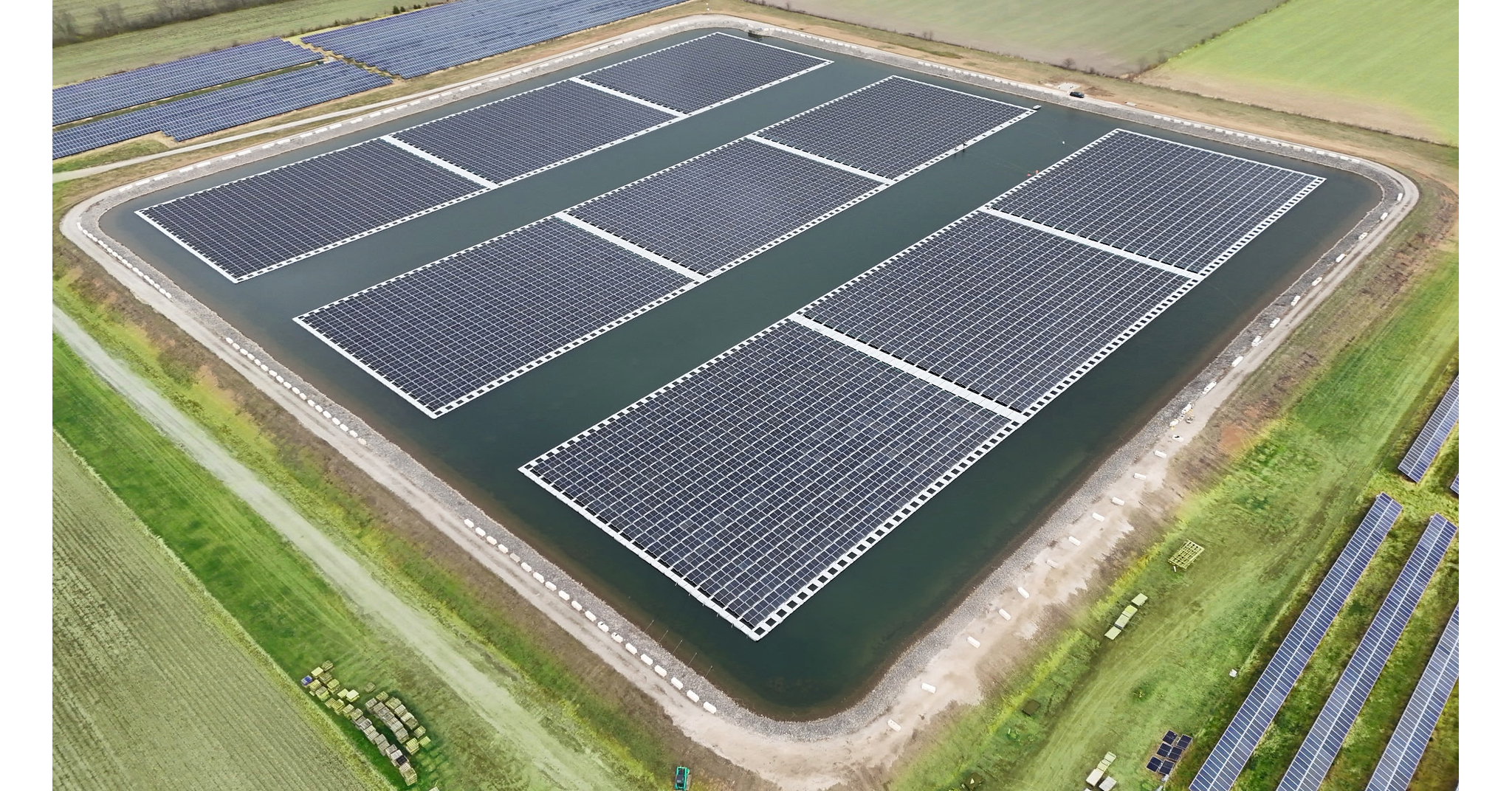
D3Energy energized a 6MW floating solar array on Monroeville, Ohio's reservoir, the largest such system in Ohio and among the five largest in the U.S. The 9,222-panel project uses 12 acres of existing village-owned water rather than an estimated 30 acres of farmland and supplies the municipal distribution grid. Combined with Monroeville's existing 4MW ground-mounted project, the village has roughly 13 times Ohio's average solar capacity per resident; Ohio now has nearly 10MW of operating floating solar.
Analysis
The investable implication is less incremental solar demand than a siting solution for jurisdictions where land-use opposition has made conventional projects slow, legally uncertain, and politically costly. Reservoir-adjacent municipal and water-utility loads can support behind-the-meter or local offtake structures, potentially shortening interconnection timelines versus greenfield projects; that is more valuable to distributed-generation developers than to utility-scale solar manufacturers. Floating systems can also generate modestly higher output through panel cooling, but higher anchoring, corrosion, insurance, and maintenance costs mean economics remain site-specific rather than broadly disruptive.
D3Energy's claimed leadership is not independently investable, and a single municipal installation is immaterial to public solar-equipment earnings. The relevant 6-18 month read-through is whether restricted-land markets begin issuing repeat FPV procurements: that would create a differentiated development pipeline for firms with water-rights, engineering, and municipal procurement capability, while reducing the scarcity premium on developable solar land. Conversely, water-quality concerns, reservoir-access restrictions, storm-damage claims, or more stringent permitting could quickly cap adoption because FPV has a limited U.S. operating history at scale.
Consensus may overstate the technology's ability to bypass solar opposition: moving projects onto water removes farmland conflict but substitutes public-water governance, aquatic-ecosystem review, and specialized O&M risk. The near-term beneficiary is local power-cost hedging, not a material re-rating for ENPH, FSLR, NXT, or utility-scale developers. A broader signal would require multiple MW-scale municipal awards with disclosed capex per watt and capacity factors showing that the yield benefit offsets floating-platform costs.
AllMind Terminal
AI-powered research, real-time alerts, and portfolio analytics for institutional investors.
Request TrialMarket Sentiment
Overall Sentiment
moderately positive
Sentiment Score
0.48
Key Decisions for Investors
- No standalone public-equity trade on this announcement; the disclosed project scale is immaterial and the principal developer/owner are private.
- Create a 1-3 month procurement alert for municipal-water and reservoir FPV RFPs in land-constrained states. Escalate only if aggregate announced U.S. FPV awards exceed roughly 100 MW with disclosed economics; that would support a selective long bias in solar EPC and electrical-balance-of-system suppliers rather than module manufacturers.
- Do not extrapolate this into a long FSLR or NXT thesis without supplier disclosure. A valid catalyst would be contracted FPV backlog or evidence that FPV procurement lifts module demand without materially higher installed-cost assumptions; absent that, solar pricing and interest-rate sensitivity remain dominant.
- For utilities with high renewable procurement needs, monitor whether FPV expands rate-base eligible capital programs or lowers avoided-energy costs. Any long utility expression should wait for regulatory recovery details; water-permitting delays or insurance-cost escalation would falsify the siting advantage.
More News
- Oil extends losses as Saudi Arabia reportedly offers ship-to-ship crude transfers after pipeline hit
- Japan’s corporate leaders sound alarm over weak yen — even dollar-earners are voicing concerns
- US military claims Strait of Hormuz remains open amid ongoing blockade
- Oil prices extend losses as fears of Middle East supply disruptions ease
- Congress passes sweeping US sanctions bill targeting Russia
- US official says upcoming spectrum auctions could generate more than $100 billion