
¡Comienza la cuenta atrás! Consiga su pase gratuito para la FHC Shanghai Global Food Trade Show 2026
Source: PR Newswire
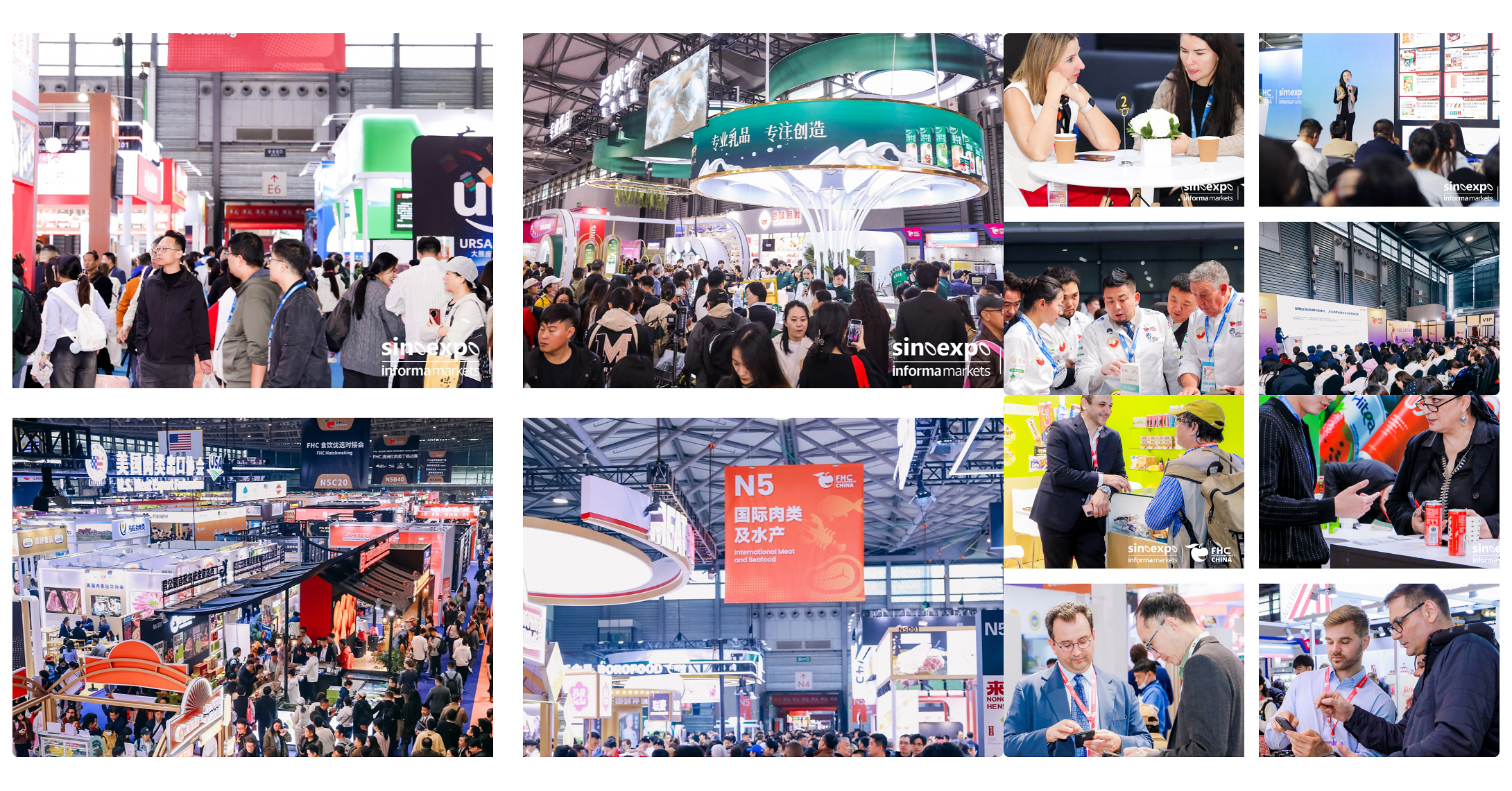
FHC Shanghai Global Food Trade Show 2026 will be held November 10-12, spanning 200,000 square meters with more than 3,000 international exhibitors and over 180,000 professional buyers. The event will feature 15 food-and-beverage sourcing segments, while the EU returns as the guest region with more than 220 protected-geographical-indication and organic products from 27 member states. The announcement is promotional trade-show information and is unlikely to have a material impact on public markets.
Analysis
This is promotional event content rather than a verifiable demand, pricing, or trade-policy datapoint; the near-term investable signal is effectively nil. The only potential read-through is that cross-border food sourcing remains commercially active, but exhibitor and buyer targets do not establish incremental import volumes, retailer orders, or supplier revenue.
Over a 1-3 month horizon, the event can be used as a channel-check catalyst for European branded-food exporters and China-facing foodservice suppliers, but only if management commentary or customs data confirms conversion into recurring distribution agreements. Relevant listed proxies include Nestlé (NESN), Danone (BN), Lindt (LISN), Kerry Group (KYGA) and Chinese cold-chain/logistics exposure through JD Logistics (2618 HK), though each has too many offsetting drivers for this release alone to matter.
The more relevant 6-18 month mechanism is competitive: broader import availability can pressure local premium-food pricing and increase retailer bargaining power, while fragmented foreign brands may incur higher China marketing, compliance and distributor costs before achieving scale. A reversal would come from weaker Chinese discretionary consumption, RMB depreciation reducing importer purchasing power, or renewed food-import inspections/tariff frictions; none can be inferred from the announcement.
Contrarian view: trade-show scale is often mistaken for demand evidence. Supplier participation may reflect a need to find incremental channels amid slow domestic growth or excess capacity, so meetings and product launches should not be extrapolated into revenue until post-event order conversion, repeat orders, and customs volumes are observable.
AllMind Terminal
AI-powered research, real-time alerts, and portfolio analytics for institutional investors.
Request TrialMarket Sentiment
Overall Sentiment
mildly positive
Sentiment Score
0.12
Key Decisions for Investors
- No position based on this release; classify as a November channel-check event rather than a tradable catalyst.
- Monitor November-to-January China customs data for EU dairy, confectionery, wine and packaged-food imports. Consider a targeted long basket of China-exposed European food exporters only if import values accelerate for two consecutive months and management confirms distributor replenishment rather than one-off launches.
- For China consumer exposure, prefer domestic value-oriented staples over imported premium-food themes if RMB weakens materially or consumer-confidence data deteriorates; imported categories face both affordability and FX headwinds.
- Set alerts for China/EU food-import inspection changes, tariff actions, and RMB depreciation. Any of these would invalidate a constructive cross-border sourcing thesis before trade-show conversion data is available.
More News
- How Pepsi fell behind in the cola wars—and then lost KFC
- The experience economy keeps defying expectations. Maybe we’ve been looking at it all wrong
- First Russian diesel tanker heads to New York after Trump's deal with Putin to lower fuel prices
- Qatar official calls for peace and security to boost trade, investment
- Iran says won’t allow US warships to get close as Trump ponders new attacks
- Trump set to announce plan by Audi to build a U.S. factory in Georgia, source says
From AllMind Research
- Anthropic IPO Preview: Valuation, Timing, and What to Watch
- Shein After the IPO: Venue, Valuation, and What Must Be Proved
- What AI Research Tools Should a Small Hedge Fund Buy First?
- Document Search Enhancements, AI Enhancements, AI Actions, & Chat Export
- AI Vendor Landscape for Institutional Investment Teams