
Midterms Shocker Will Reverberate Through the Energy Industry
Source: Bloomberg
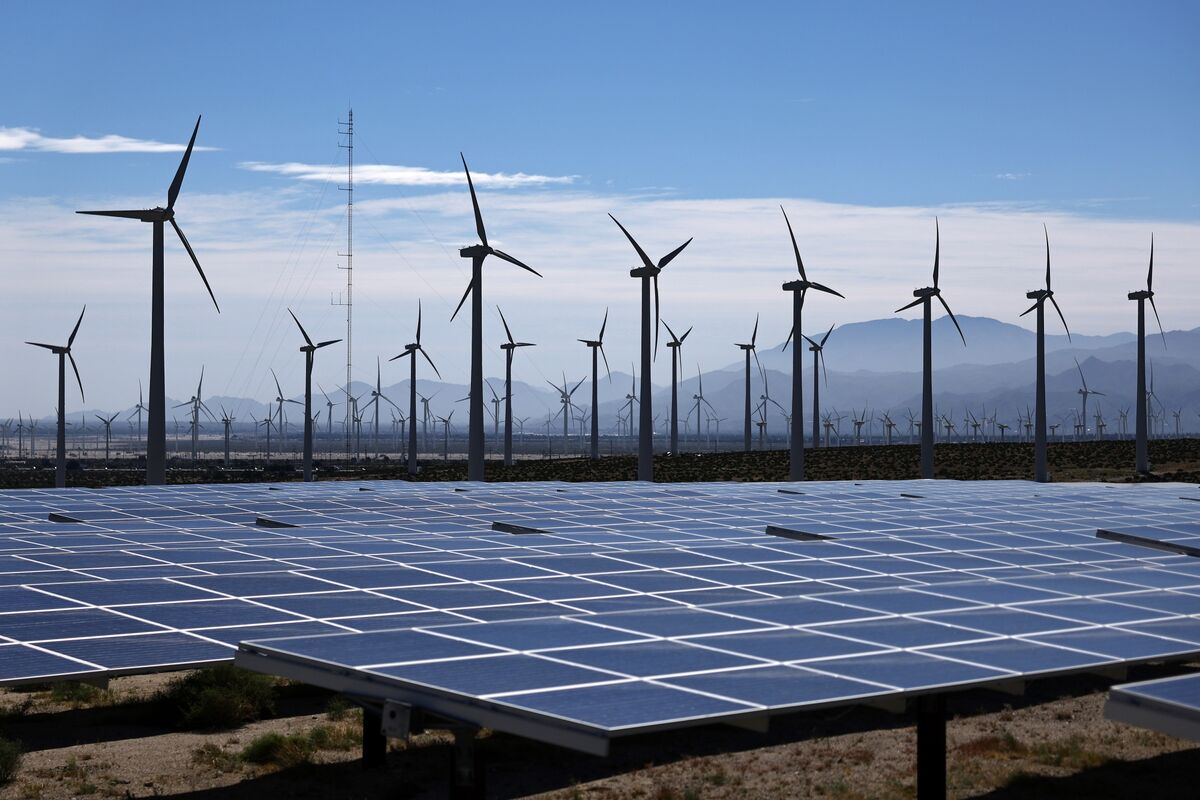
Democrats’ landslide US election win could have significant implications for the energy industry, with permitting reform and state-level outcomes in focus. The article notes that gasoline prices have surged during the Iran war and electricity prices have risen partly amid the data center boom, but gives no specific policy changes or market reaction.
Analysis
The investable signal is not the election result itself but whether affordability pressures push state officials toward policy that slows new generation and transmission. That creates a potential mismatch: political support for cleaner supply can coexist with resistance to siting, higher bills, or infrastructure in local communities. If state-level permitting or utility decisions become less predictable, the likely first-order effect is delay risk for projects; the second-order effect is tighter regional power supply and greater value for already-connected generation and grid capacity. That is not automatically bullish for utilities: regulated returns depend on rate cases, while merchant generators have more direct exposure to power prices.
Near term (days), political headlines are unlikely to change oil or power fundamentals absent concrete proposals. Over 1–3 months, watch state appointments, legislation, utility commission actions, and project approvals for evidence that rhetoric is becoming binding. Over 6–18 months, sustained permitting delays could raise replacement-power costs and advantage existing infrastructure, but the direction for renewables versus gas depends on the actual rules and build pipeline. A reversal toward affordability-first permitting or bipartisan federal reform would weaken that thesis.
Contrarian view: a Democratic win does not imply uniformly stricter energy policy. High household energy costs can constrain climate-policy ambition and encourage faster approval of any reliable supply. The supplied information identifies no states, measures, or affected companies, so the signal is too underspecified for a directional sector bet.
AllMind Terminal
AI-powered research, real-time alerts, and portfolio analytics for institutional investors.
Request TrialMarket Sentiment
Overall Sentiment
neutral
Sentiment Score
0.00
Key Decisions for Investors
- No immediate election-driven position. Avoid treating broad energy headlines as evidence of a changed earnings outlook until state-specific legislation, commission decisions, or permitting data confirm the mechanism.
- Set a watch on utility versus merchant-generation exposure: compare regulated utilities represented by XLU with independent generators only after identifying the affected markets and their rate structures. The thesis is falsified if approval timelines remain stable and utilities recover incremental costs through rate cases without material demand or affordability deterioration.
- For energy infrastructure and project developers, track approval delays, interconnection queues, and announced cancellations over the next 1–3 months; these are more actionable than election margins. Reassess if policy changes accelerate approvals or federal permitting reform offsets state-level friction.
- Do not infer that political pressure will materially reduce crude prices: election-related policy responses would not by themselves resolve a geopolitical supply disruption. Revisit oil exposure only with evidence of changed supply, sanctions, or physical-market conditions.
More News
- What Wall Street billionaires are saying about Democrats' midterm sweep
- NextDC shares surge 43% after Goodman, Digital Realty stake purchases
- Voters rebuff data centers in every ballot measure except one during the 2026 midterms
- Oil and data centre stocks sink after US midterms
- China Blocks SoftBank Acquisition of ABB Robot Unit, FT Says
- After the midterms, a bigger clash over data centers could be coming