
IICA and the US State Department's Bureau of Disaster and Humanitarian Response Build a Closer Partnership for the Americas
Source: PR Newswire
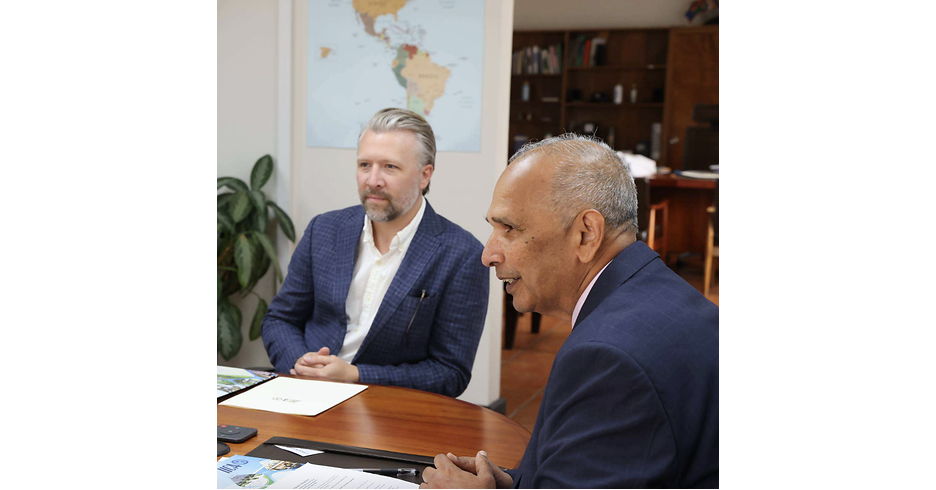
The US State Department’s Bureau of Disaster and Humanitarian Response and IICA agreed to develop a concrete agenda to protect agriculture and food supplies across the Americas, including coordination on El Niño and cross-border animal and plant health threats. DHR-funded New World Screwworm work has moved from proposal to implementation in less than 60 days and covers eight countries in Mexico and Central America. The partnership aims to strengthen emergency preparedness, response and agricultural recovery; no financial terms or market reaction were reported.
Analysis
This is a policy-coordination signal, not an investable demand or earnings catalyst yet. The market mechanism is mainly reduced tail risk: if cross-border surveillance and rapid response actually contain New World Screwworm, they could lower the probability of livestock losses or trade disruptions affecting producers in the region and the US. That would temper the outbreak-risk premium in cattle markets rather than create a clear bullish supply thesis. The second-order beneficiaries would be exposed livestock producers and meat supply chains through greater continuity; the counterpart is less upside from scarcity if containment succeeds. The release provides no independently verified outcome data, recurring budget, or procurement detail, so it does not support a revenue thesis for animal-health or agricultural-equipment suppliers.
Near term, expect little direct price impact. Over 1–3 months, watch for a funded, measurable workplan, surveillance results, and any confirmed spread or trade restrictions. Over 6–18 months, durable preparedness could reduce weather- and disease-related supply volatility, but execution depends on member-state coordination and follow-on funding. El Niño preparedness is not evidence that crop losses will be avoided. The contrarian point: the announcement may sound positive for agriculture, but successful prevention can reduce commodity scarcity premiums; the more material market move would likely come from a confirmed outbreak or weather damage, not the partnership itself.
AllMind Terminal
AI-powered research, real-time alerts, and portfolio analytics for institutional investors.
Request TrialMarket Sentiment
Overall Sentiment
mildly positive
Sentiment Score
0.30
Key Decisions for Investors
- No standalone trade on the announcement; treat it as a modest reduction in regional livestock biosecurity tail risk, not an earnings catalyst.
- Monitor cattle-market risk premiums and official animal-health alerts. Reassess if authorities confirm wider screwworm spread, livestock movement restrictions, or export disruption; those would overturn the benign-containment case.
- Set an alert for a specific funded agenda and independently verifiable surveillance or containment outcomes over the next 1–3 months. Without budget and execution evidence, do not infer incremental sales for animal-health suppliers.
- For El Niño exposure, wait for updated seasonal forecasts and crop-condition data before positioning in agricultural commodities or weather-sensitive equities; this release alone does not establish a supply shock.
More News
- Iran’s calculations as US escalation looms: Trust, midterms, Hormuz
- Latest Oil Market News and Analysis for Oct. 28
- Oil prices rise after attack on Saudi Arabian refinery reignites supply concerns
- Oil rebounds as Houthi attacks on Saudi Arabia overshadow diplomatic efforts
- Boeing shares slide on a disappointing cash flow update. Why this dip is buyable
- Airlines are trading nearly 23% higher ticket prices for emptier planes as jet fuel prices spike over 90% from the Iran War’s fuel squeeze