
Little Diggers, the Nation's Premier Indoor Sandbox Playspace, Expands to 50+ Signed Franchise Locations Nationwide
Source: PR Newswire
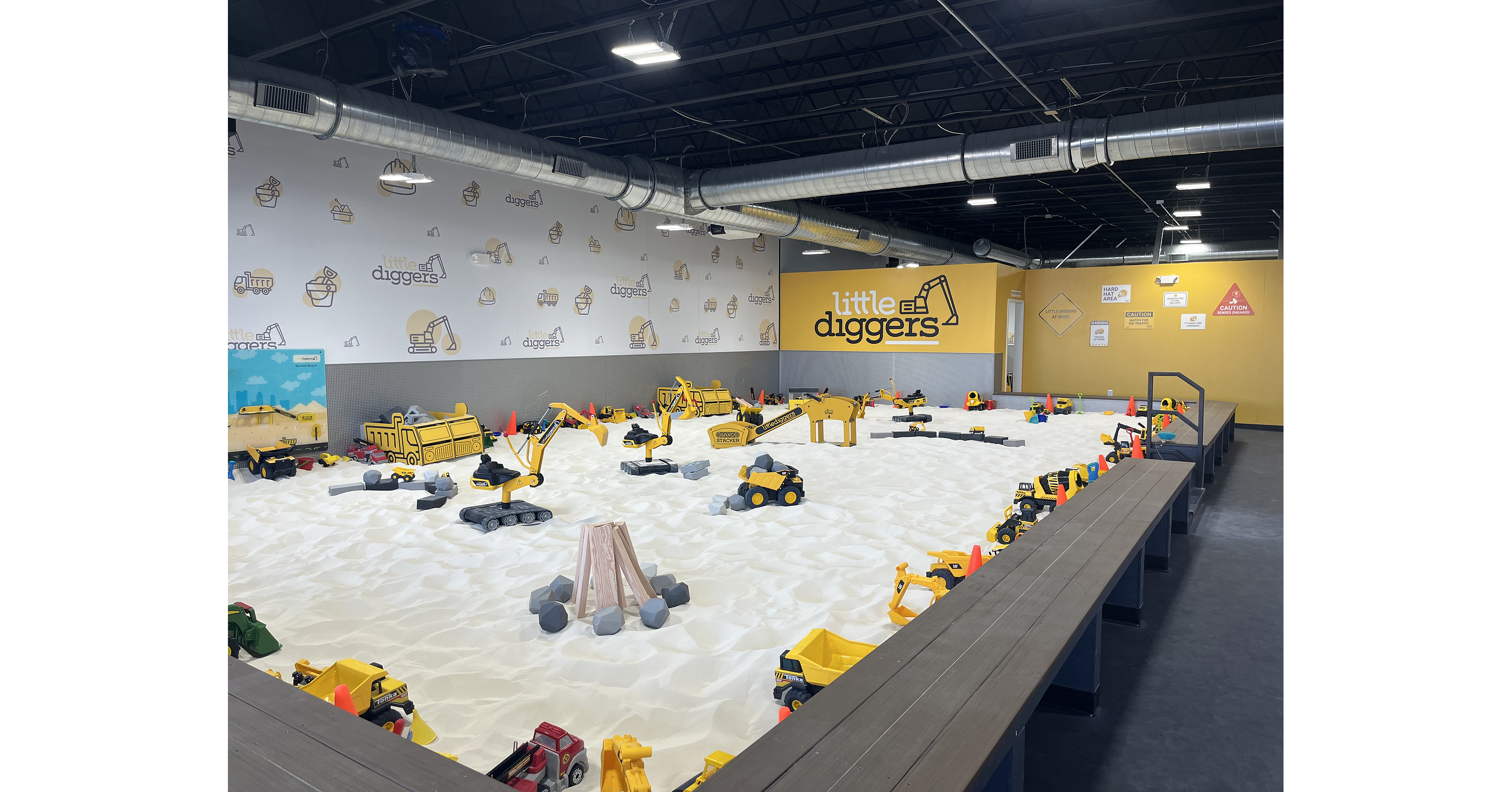
Little Diggers reported more than 50 signed U.S. franchise locations and six corporate-owned stores, following the 2025 launch of its franchising arm. The indoor sandbox playspace has served over 100,000 children since its 2023 founding and received thousands of franchise inquiries spanning all 50 states and more than 85 countries. The company is continuing U.S. expansion, including planned entry into California, supported by collaborations with Handyman Hal, Sherri Dusty Rinker, and Paramount's Paw Patrol franchise.
Analysis
No direct public-equity read-through is established: Little Diggers is private, and its reported franchise pipeline is not equivalent to opened units, franchise-fee revenue, or mature unit economics. The immediate investable implication for PSKY is limited; a single promotional collaboration does not alter Paramount’s advertising, licensing, or direct-to-consumer earnings trajectory. Treat this as brand-distribution anecdote rather than a catalyst.
The more relevant second-order signal is that low-ticket, location-based family entertainment is attracting franchise capital despite labor, rent, and discretionary-spend sensitivity. This creates incremental competition for children’s out-of-home leisure budgets, potentially marginally unfavorable at the local level for Chuck E. Cheese’s private owners and public family-entertainment proxies such as Dave & Buster’s (PLAY), although Little Diggers’ under-seven demographic and small footprint limit substitution. If the model scales, franchisees—not the parent—bear most occupancy and startup-capex risk, while the franchisor’s returns depend on recurring royalties, supply procurement, and avoiding franchisee saturation.
Over the next 1-3 months, there is no actionable PSKY trade absent disclosed economics from a broader licensing arrangement. Over 6-18 months, monitor whether children’s IP partners convert small experiential activations into repeatable licensed-location programs; that would be a modest positive for PSKY’s consumer-products royalty mix, but only if partner count, minimum guarantees, and retail sell-through become measurable. The contrarian view is that the “slow play” positioning may be less differentiated than claimed: indoor-play demand is highly local, and imported consumable inputs plus sanitation and insurance costs can compress franchisee returns before unit density supports brand awareness.
AllMind Terminal
AI-powered research, real-time alerts, and portfolio analytics for institutional investors.
Request TrialMarket Sentiment
Overall Sentiment
moderately positive
Sentiment Score
0.48
Key Decisions for Investors
- No position in PSKY on this announcement. Add an alert for evidence of a multi-location Paramount licensing agreement with disclosed minimum guarantees or material consumer-products guidance; without that, expected earnings impact is immaterial.
- Monitor PLAY quarterly same-store sales and traffic for regional family-entertainment softness, but do not short on this development alone. A trade requires corroboration that low-cost preschool concepts are taking share in overlapping markets; falsifier is stable or improving weekday traffic and event-revenue trends.
- For private-market diligence, request Little Diggers franchise disclosure data: all-in build cost, four-wall sales, labor and occupancy ratios, royalty/marketing fees, closure rate, and franchisee payback. A sub-36-month cash-on-cash payback at mature stores would validate a scalable franchisor model; materially longer paybacks would make signed-unit counts low-quality.
More News
- Paramount is ‘deadly serious' about leaving Hollywood as fight erupts over $111B merger
- 'Science fiction': Transport companies — the backbone of economy — are sounding alarm on fuel prices
- What to know about US Federal Reserve’s first interest rate hike in 3 years
- Fed Rate Hike Looms as Retail Sales Surge
- Consumers hit by one-two punch of oil and rates from Iran war. The estimated bill is $1,700 per household
- US retail sales rebound sharply in August