
Die Universität von Bengasi wird nach elf Jahren wiedereröffnet - ein historischer Meilenstein, bei dem drei Guinness-Weltrekorde gebrochen wurden
Source: PR Newswire
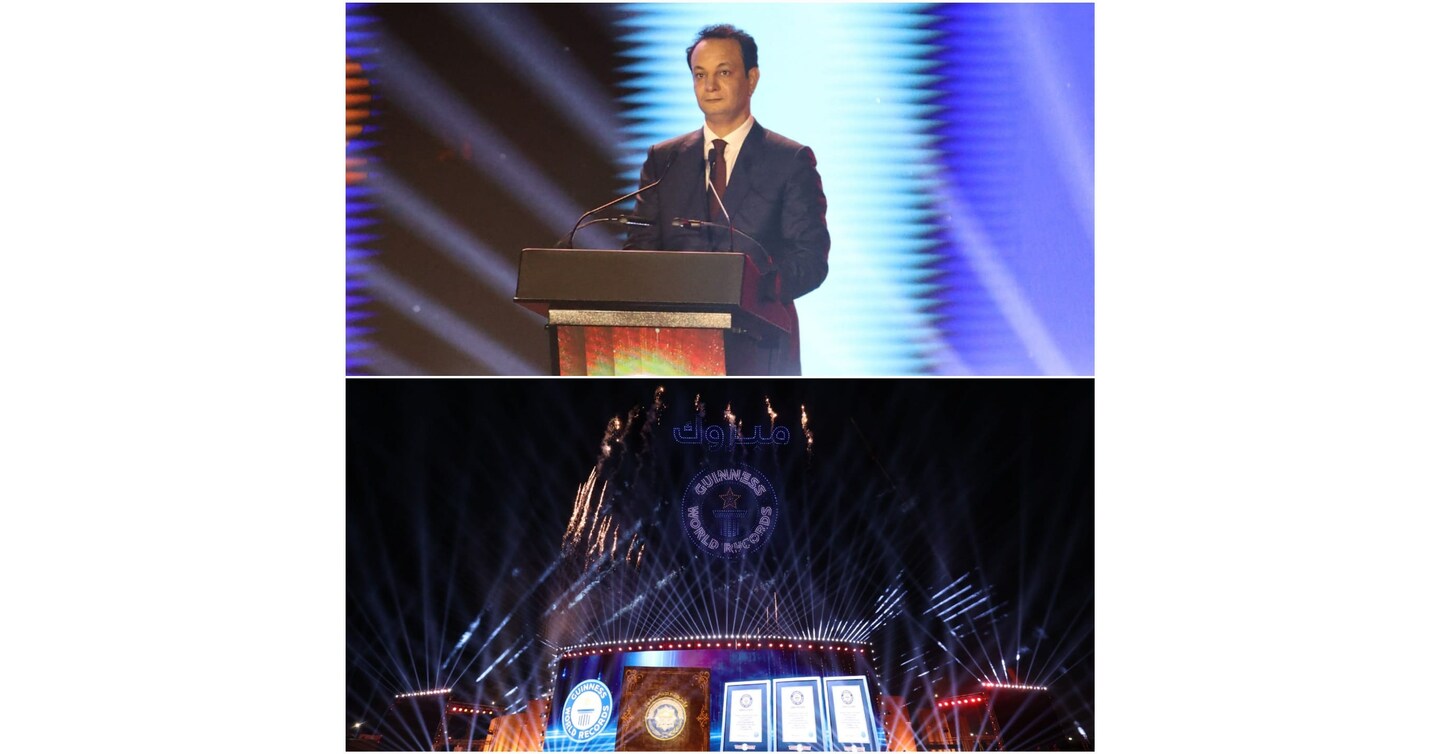
The University of Benghazi reopened all faculties and facilities on September 4 after more than 11 years of closure caused by war-related destruction, following a three-year reconstruction led by Libya's Development and Reconstruction Fund. The project restored a campus serving nearly 100,000 students and is part of more than 2,300 development projects in eastern and southern Libya, including about 250 schools. The fund has also sent over 1,000 students abroad, pairing infrastructure rebuilding with human-capital investment.
Analysis
The investable signal is not the education asset itself but the continued institutional consolidation of eastern Libya under the Haftar-linked reconstruction apparatus. That can incrementally reduce operating friction around ports, roads, power and municipal services in the east, increasing the political leverage of eastern authorities in future national oil-revenue negotiations. For ENI, OMV and Repsol, this is marginally constructive only if it translates into fewer blockades or a durable national settlement; their Libya valuation remains dominated by export continuity and security rather than local reconstruction activity.
Near term, this is not a standalone catalyst for listed equities: reconstruction procurement is likely concentrated among local, non-listed contractors and funding transparency is limited. Over 1-3 months, monitor whether the development pipeline produces power, airport, port or housing tenders involving Saipem (SPM.MI), Webuild (WBD.MI), or Turkish contractors; such awards would be a more investable confirmation of capex transmission. Over 6-18 months, the upside case is a lower Libya geopolitical risk premium and greater gas-export reliability into Italy, while the principal tail risk is that eastern institutional strengthening worsens east-west fragmentation, raising the probability of renewed oilfield or terminal disruptions.
The contrarian read is that highly visible reconstruction projects can be politically valuable without generating broad-based commercial returns. A stable-looking east does not resolve the legal authority over hydrocarbon contracts, budget allocation, or security command; consequently, assigning a lower country-risk premium to Libya-exposed energy names before evidence of sustained export normalization would be premature. The thesis is falsified positively by a formal political-revenue agreement and uninterrupted production/export data for two quarters, and negatively by renewed terminal closures, competing budget claims, or sanctions scrutiny of reconstruction financing.
AllMind Terminal
AI-powered research, real-time alerts, and portfolio analytics for institutional investors.
Request TrialMarket Sentiment
Overall Sentiment
mildly positive
Sentiment Score
0.35
Key Decisions for Investors
- No immediate directional trade from this event; treat it as a Libya political-risk watch item rather than a revenue catalyst.
- Maintain a conditional long watch on Saipem (SPM.MI) and Webuild (WBD.MI) for independently disclosed, funded Libyan infrastructure awards. Enter only after contract value, payment terms and sovereign counterparty are confirmed; avoid buying on ceremonial announcements.
- For existing ENI (ENI.MI) exposure, retain Libya production and Greenstream gas-flow monitoring as the actionable variable: add only if export continuity persists through the next two monthly cargo cycles and national political negotiations show progress; reduce if eastern-western tensions result in terminal disruption.
- Avoid using broad defense or infrastructure ETFs as a proxy: the likely beneficiaries are local contractors, while listed European exposure is too indirect absent procurement disclosure.
More News
- CENTCOM reportedly has plans for Iran strikes: Will Trump approve them?
- Saudi Arabia intercepts missiles and drones as fighting with Houthis rages
- Israelis hold final rally against Netanyahu ahead of what may be the most consequential election in the country’s history
- Brookfield to open Qatar office as it expands Middle East operations
- First Russian diesel tanker heads to New York after Trump's deal with Putin to lower fuel prices
- Saudi Arabia intercepts drones and missiles as fighting with Yemen’s Houthis continues