
Oil Jumps as Saudi Pipeline Attack Deepens Energy Crisis
Source: youtube.com
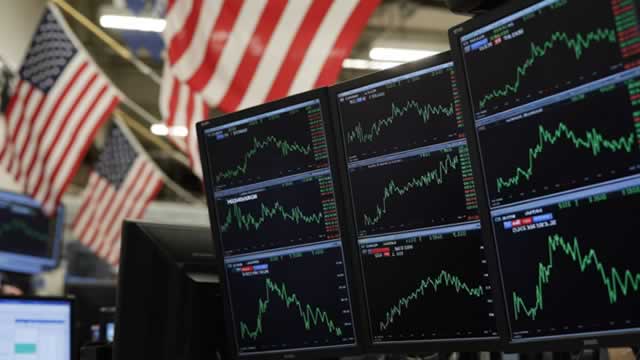
Oil surged above $108 per barrel after an attack shut Saudi Arabia's East-West pipeline, a critical export route that bypasses the Strait of Hormuz. The outage, postponement of Oman-Iran talks on Hormuz, and increased Houthi threat to Bab el-Mandeb shipping raise the risk of broader supply disruptions and a deepening global energy crisis.
Analysis
The key transmission mechanism is not simply higher crude: the loss of export-routing redundancy raises the probability-weighted cost of every Gulf disruption. That should steepen prompt backwardation and widen Middle East physical-grade differentials versus Brent, favoring upstream cash flows and tanker/day-rate exposure over broad energy beta. FRO and DHT gain if rerouting lengthens ton-miles; STNG is a higher-beta beneficiary if refined-product dislocations lift product-tanker utilization.
Airlines (DAL, UAL, AAL), cruise operators (CCL, RCL), and chemical producers with weak pass-through (OLN, DOW) face a 1-3 month earnings-risk repricing if jet fuel and diesel cracks remain elevated. The more non-obvious loser is global container shipping: simultaneous security premia at the Red Sea and Gulf routes can reduce effective vessel supply, lift freight rates, and revive goods-inflation pressure just as central-bank easing is priced into equity multiples. Long-duration growth and consumer discretionary could therefore underperform even if direct oil exposure is limited.
Consensus may over-extrapolate a headline crude spike into permanent supply destruction. If production capacity remains intact, repairs, alternative export routing, and coordinated inventory releases can compress the geopolitical premium quickly; the near-term trade is volatility and freight, not an unhedged directional oil bet. Falsification for the bullish energy complex is Brent returning below $100 alongside narrowing prompt spreads and tanker rates failing to rise within 10 trading days; sustained Brent above $115 for 2-4 weeks would raise the probability of demand destruction and policy intervention.
AllMind Terminal
AI-powered research, real-time alerts, and portfolio analytics for institutional investors.
Request TrialMarket Sentiment
Overall Sentiment
strongly negative
Sentiment Score
-0.72
Key Decisions for Investors
- Initiate a 1-3 month pair: long FRO and DHT / short JETS. Size modestly because tanker equities require confirmed charter-rate follow-through; target 15-25% upside in tankers versus a 10-15% JETS decline, with exit if VLCC spot rates do not improve within 10 trading days.
- Buy XLE versus short XLY for the next 4-8 weeks rather than outright crude exposure. Energy has immediate operating leverage to sustained higher realizations, while discretionary faces fuel-driven real-income pressure; stop the pair if Brent closes below $100 for three sessions.
- Use upside call spreads on USO or BNO, 2-3 months to expiry, with strikes centered around Brent-equivalent $115-$125. This captures escalation convexity while capping premium loss if the disruption proves logistical rather than production-related; avoid naked futures after the initial gap higher.
- Reduce near-term exposure to DAL, UAL, AAL, CCL, and RCL ahead of the next guidance cycle unless fuel hedging and fare pass-through are demonstrably sufficient. Reassess after weekly jet-fuel cracks and booking data: persistent elevated cracks for four weeks would make consensus EPS estimates vulnerable.
- Monitor freight and inflation spillover through ZIM, MATX, and container spot indices as an alert rather than a trade. A material move requires evidence of rerouting-induced capacity loss; without higher spot rates, shipping equities remain exposed to weak underlying trade volumes.
More News
- Satellite images show extent of damage to Saudi Arabia’s oil pipeline that bypasses Strait of Hormuz
- Trump urges Ukraine to stop ‘knocking out’ Russian oil refineries as U.S. diesel hits record
- Euro yields hold at multi-year peaks as crude surge precedes c.bank decisions
- AI leaders raise safety concerns; Hormuz talks delayed - what’s moving markets
- OpenAI boss Sam Altman spells out how and why the AI industry wants to slow down: 'We could lose control'
- FTSE 100 today: Stocks gain as Mideast supply fears lift oil