
VINFAST INTRODUCES ELECTRIC BUS LINEUP IN THE U.S, DOUBLING DOWN ON SUSTAINABLE MOBILITY GROWTH
Source: PR Newswire
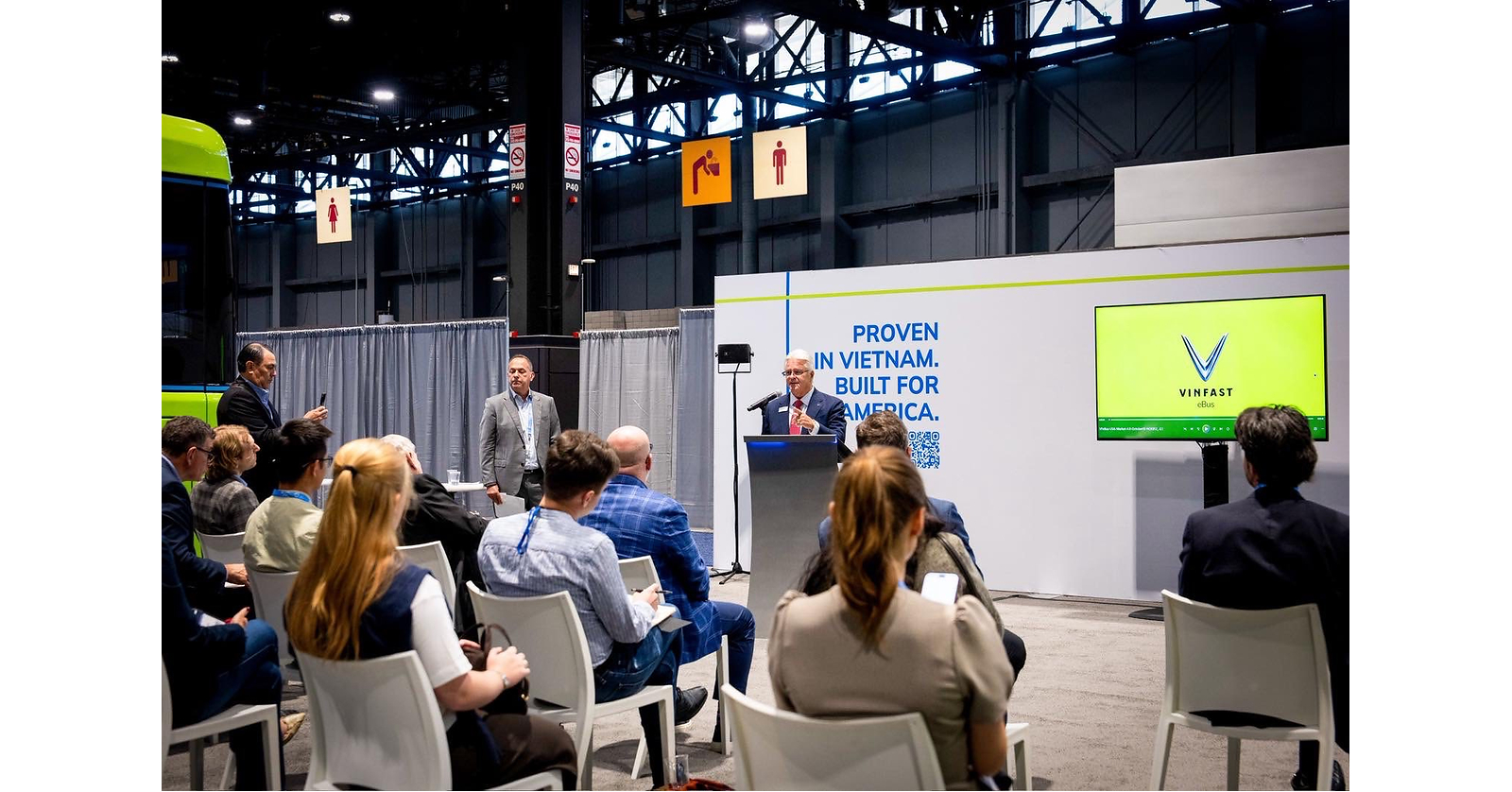
VinFast signed an initial partnership agreement with NexMove to offer its electric buses to U.S. customers through an integrated vehicle, charging, maintenance and operations service. Demonstration units will be placed at Zeem charging depots ahead of certified, homologated deliveries expected to begin in Q1 2028; NexMove intends to offer a 97% uptime service level. About 2,000 VinFast e-buses currently operate in Vietnam, while the companies say they are working toward U.S. manufacturing that meets Federal Transit Administration requirements.
Analysis
The announcement is strategically useful but not yet an earnings catalyst: U.S. homologation, procurement qualification and credible domestic-manufacturing plans are prerequisites, while first deliveries are distant and transit-agency purchasing cycles are long. The key economic question is whether VinFast can meet U.S. compliance requirements at a cost that leaves the bundled offer competitive—not whether its buses have operated elsewhere. NexMove’s service wrapper may lower adoption friction, but it also concentrates execution risk in uptime, maintenance capacity, charging economics and residual values. A 97% uptime target is a promise to test, not evidence of realized performance. If service performance disappoints, the reputational damage could extend beyond this program to VinFast’s broader U.S. commercial ambitions.
The competitive pressure is most relevant to established bus suppliers such as New Flyer and BYD, but agency procurement is unlikely to shift on demonstrations alone; proven U.S. service support, compliant sourcing and lifecycle-cost bids matter. Zeem could benefit from incremental depot utilization, though the economics depend on contracted fleet volume and charging margins, neither disclosed. For VFS, the upside is optionality and credibility; the counterpoint is that a controlled rollout limits near-term scale, while localization and certification could add cost before revenue. The market may overvalue the U.S. expansion signal and underweight the gap between evaluation units and funded, compliant orders.
AllMind Terminal
AI-powered research, real-time alerts, and portfolio analytics for institutional investors.
Request TrialMarket Sentiment
Overall Sentiment
mildly positive
Sentiment Score
0.30
Ticker Sentiment
Key Decisions for Investors
- Do not buy VFS solely on this announcement. Treat it as long-dated optionality; revisit only when VinFast/NexMove disclose firm orders, delivery economics, and a funded path to U.S. manufacturing and applicable transit-procurement compliance.
- Set a 1–3 month diligence trigger around homologation progress, agency pilot commitments and sourcing/localization detail. A delay, lack of funded orders, or evidence that compliance raises costs enough to undermine bid competitiveness would falsify the adoption thesis.
- Monitor incumbent bus suppliers, including New Flyer and BYD, for pricing or order commentary: aggressive bids would signal that entry costs and competitive response may erode VinFast’s prospective returns. No relative-value trade is justified without disclosed contract pricing and service economics.
- For any VFS position, separate announcement-driven volatility from fundamentals: the thesis strengthens with repeat orders and demonstrated service uptime; it weakens if certification slips, NexMove cannot substantiate its uptime target, or VinFast’s broader guidance shows rising investment without commercial traction.
More News
- Oman evacuates injured crew from attacked tanker in Strait of Hormuz
- Oil rises as concerns over Houthi attacks on Saudi Arabia eclipse supply recovery
- Rebounding oil exports through Strait of Hormuz are vulnerable to stepped-up Iranian tanker attacks
- GIC Private Ltd, Medline 10% owner, sells over $721m in shares
- A 32% beat, a +6% jump: the IT solutions name our models picked in July
- Nvidia Is on the Verge of a $6 Trillion Market Value