
Niutech Completes Group Restructuring to Advance Tire and Plastic Chemical Recycling
Source: PR Newswire
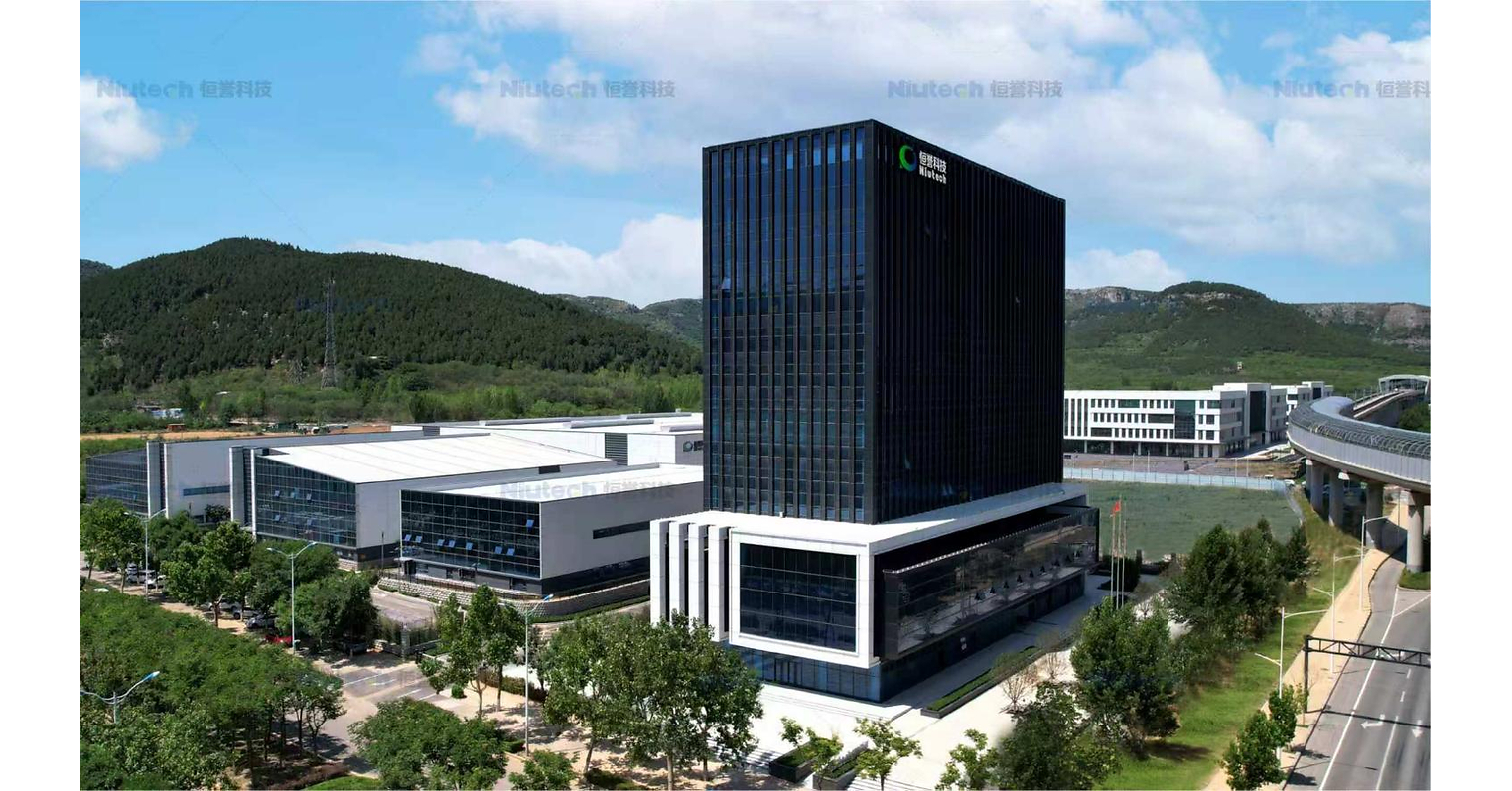
Niutech completed a group restructuring on August 26, 2026, expanding its registered scope into recycling technology, equipment manufacturing and new-materials R&D. Its industrial pyrolysis line processes more than 100 tonnes per day per unit, while subsidiary Hesheng Environmental Protection's Phase II project is set to raise annual capacity to 160,000 tonnes in 2026. The company also secured a RMB198 million UK order and is advancing tire-pyrolysis-oil and sustainable aviation fuel blending pathways as EU recycled-content regulations support demand.
Analysis
The relevant read-through is not a near-term listed-equity catalyst but a gradual tightening of the recycled-carbon supply chain. If continuous pyrolysis capacity scales economically, recovered carbon black (rCB) becomes a credible partial substitute for virgin furnace black, creating a modest long-duration margin headwind for Cabot (CBT) and Orion S.A. (OEC), while lowering Scope 3 compliance costs for tire makers such as Michelin (ML.PA), Continental (CON.DE) and Bridgestone (5108.T). The constraint remains qualification: tire-grade rCB must achieve consistent reinforcement properties, not merely acceptable optical-quality metrics, so commercial displacement should occur over 6-18 months rather than immediately.
EU circularity mandates create protected demand for certified recycled feedstock, but they do not guarantee attractive pyrolysis returns. Economics depend on gate fees, power costs, product upgrading yields and certification premia; a fall in virgin carbon-black pricing or crude-derived naphtha would compress project IRRs quickly. The claimed ability to process heterogeneous plastic waste with limited pretreatment is potentially disruptive to mechanical recyclers, but it requires independent evidence of uptime, emissions compliance, contaminant management and oil yield before extrapolating from project announcements.
The SAF angle is materially more speculative than the tire-recycling opportunity. Tire/plastic pyrolysis oil generally requires significant hydrotreating and pathway-specific certification before it can command aviation-fuel economics, leaving refiners and established renewable-fuel platforms—not equipment vendors—the better eventual monetizers. Consensus may overvalue capacity announcements while underpricing permitting, feedstock aggregation and offtake risk; European project pipelines have repeatedly slipped when these three elements were not contracted together.
AllMind Terminal
AI-powered research, real-time alerts, and portfolio analytics for institutional investors.
Request TrialMarket Sentiment
Overall Sentiment
moderately positive
Sentiment Score
0.48
Key Decisions for Investors
- No immediate position based solely on this release; monitor Niutech's UK order for binding financing, commissioning date, third-party yield data and an ISCC-certified offtake agreement over the next 3-6 months.
- Build a 6-18 month watchlist for a relative-value trade: long Michelin (ML.PA) or Continental (CON.DE) versus short CBT, only if EU-certified rCB supply announcements translate into tire-maker procurement commitments. Thesis is lower compliance/input costs for tire producers versus incremental substitution risk for virgin carbon black; falsify if rCB qualification failures or virgin carbon-black shortages sustain CBT pricing.
- Avoid treating the SAF pathway as a direct catalyst for renewable-fuel equities. For Neste (NESTE.HE) or OMV (OMV.VI), require disclosed approved feedstock volumes, upgrading capacity and certified SAF offtake before assigning value; absent these, the likely impact is pilot-scale and dilutive to capital allocation.
- Watch EU PPWR/ELV implementation guidance and recycled-content definitions through 2027. A delay, broad mass-balance accounting rules, or acceptance of lower-cost imported recycled inputs would weaken the scarcity premium assumed for European pyrolysis projects and remove the basis for the tire-maker/carbon-black pair.
More News
- Greer urges G20 to back Trump tariff agenda, takes aim at China
- Paramount Skydance prices $42 billion debt for Warner Bros deal
- Tencent leases 100,000 chips from Oracle for $7 bln- FT
- California Gov. Gavin Newsom bans AI 'robo bosses' in landmark state law, reversing his earlier veto
- Stocks Jump on inflation Surprise, Apple's Smart-Home Push
- The new and huger Paramount has a new co-CEO
From AllMind Research
- Anthropic IPO Preview: Valuation, Timing, and What to Watch
- Shein After the IPO: Venue, Valuation, and What Must Be Proved
- What AI Research Tools Should a Small Hedge Fund Buy First?
- Automating Financial Model Updates: A Source-Controlled Workflow
- Weekly Update: Live Event Center, In-App Documents, and Faster Transcripts