
¿Cómo cuidar a quienes cuidan? NCCN presenta una guía esencial para apoyar a los seres queridos con cáncer
Source: PR Newswire
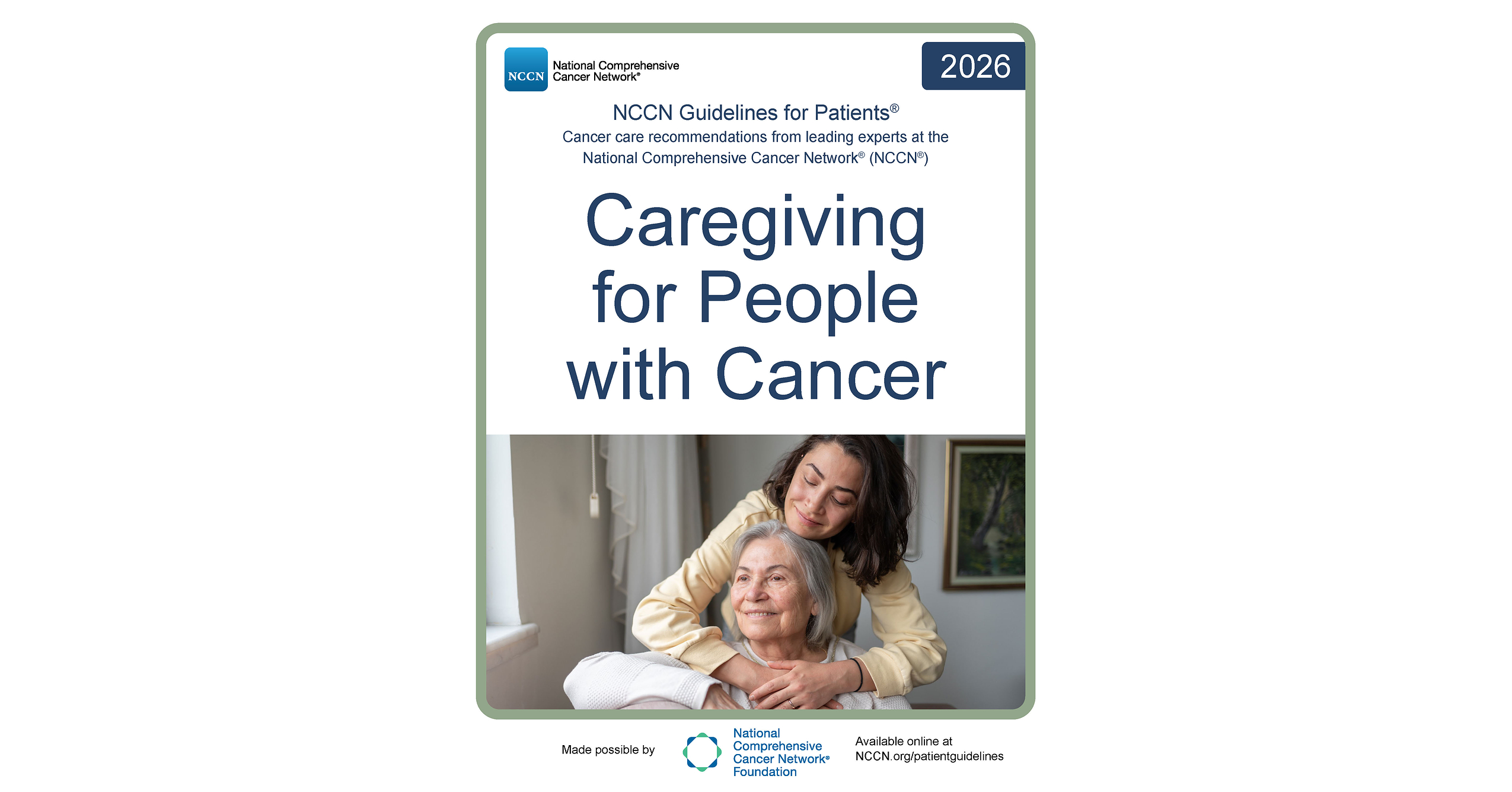
La NCCN publicó su primera guía gratuita dirigida específicamente a quienes cuidan a personas con cáncer, con consejos sobre apoyo emocional, finanzas, tareas del hogar, asuntos legales y gestión de la atención médica. La guía incluye recursos de autocuidado para cuidadores; al menos el 70 % compagina los cuidados con un empleo y otras responsabilidades, y el 60 % vive en otro domicilio.
Analysis
This is a low-materiality, noncommercial launch from a nonprofit: there is no direct issuer revenue catalyst and no basis for a near-term sector trade. The investable signal is the growing formal recognition of unpaid caregivers as part of the cancer-care delivery system. If this evolves into reimbursed navigation, caregiver training, or employer benefits, potential beneficiaries could include oncology providers, patient-navigation platforms, home-health services, and vendors of workforce benefits. The countervailing effect is that better-informed family caregivers could substitute for some paid support; the net impact on service demand is unclear.
The press release provides no adoption, outcomes, or cost-effectiveness data, so claims of reduced caregiver burden or lower healthcare utilization remain unproven. Near term, the December 3, 2026 advocacy summit is a policy-information catalyst, not a financial one. Over 6–18 months, watch for payer coverage, employer-benefit adoption, or government support that turns caregiver education into funded services. The contrarian point: visibility of caregiver needs may rise faster than budgets or reimbursement, leaving providers and families to absorb the cost. No company-specific earnings effect is identifiable from this announcement.
AllMind Terminal
AI-powered research, real-time alerts, and portfolio analytics for institutional investors.
Request TrialMarket Sentiment
Overall Sentiment
mildly positive
Sentiment Score
0.20
Key Decisions for Investors
- No immediate trade: the guide is free, nonprofit-funded, and lacks evidence of commercial scale or measurable financial impact.
- Add oncology navigation, home-health, and employer-benefits providers to a watchlist; look for explicit reimbursement, contract wins, or guidance linking caregiver programs to revenue or lower avoidable utilization.
- Monitor the December 2026 summit for concrete policy proposals and funding commitments; treat general advocacy statements as non-catalysts.
- Falsify the emerging-services thesis if subsequent policy and payer activity produces no funded programs, or if providers report no measurable uptake or utilization benefit.
More News
- Big Red gets cozy with Google to offer TPUs to AI customers
- Some iPhone Duo owners say Apple’s $1,999 foldable cracked within hours of unboxing—and a possible explanation has emerged
- Artiva halts AlloNK development, cuts 94% of workforce
- Universal Health Services falls 3% on legal settlement concerns
- Apple takes powerful M6 chip to the MacBook Pro, iMac
- Apple refreshes the iMac, entry-level MacBook Pro with the M6 chip