
2026 K-Medical Tourism B2B LA Showcases Korea's Medical & Wellness Tourism Excellence
Source: PR Newswire
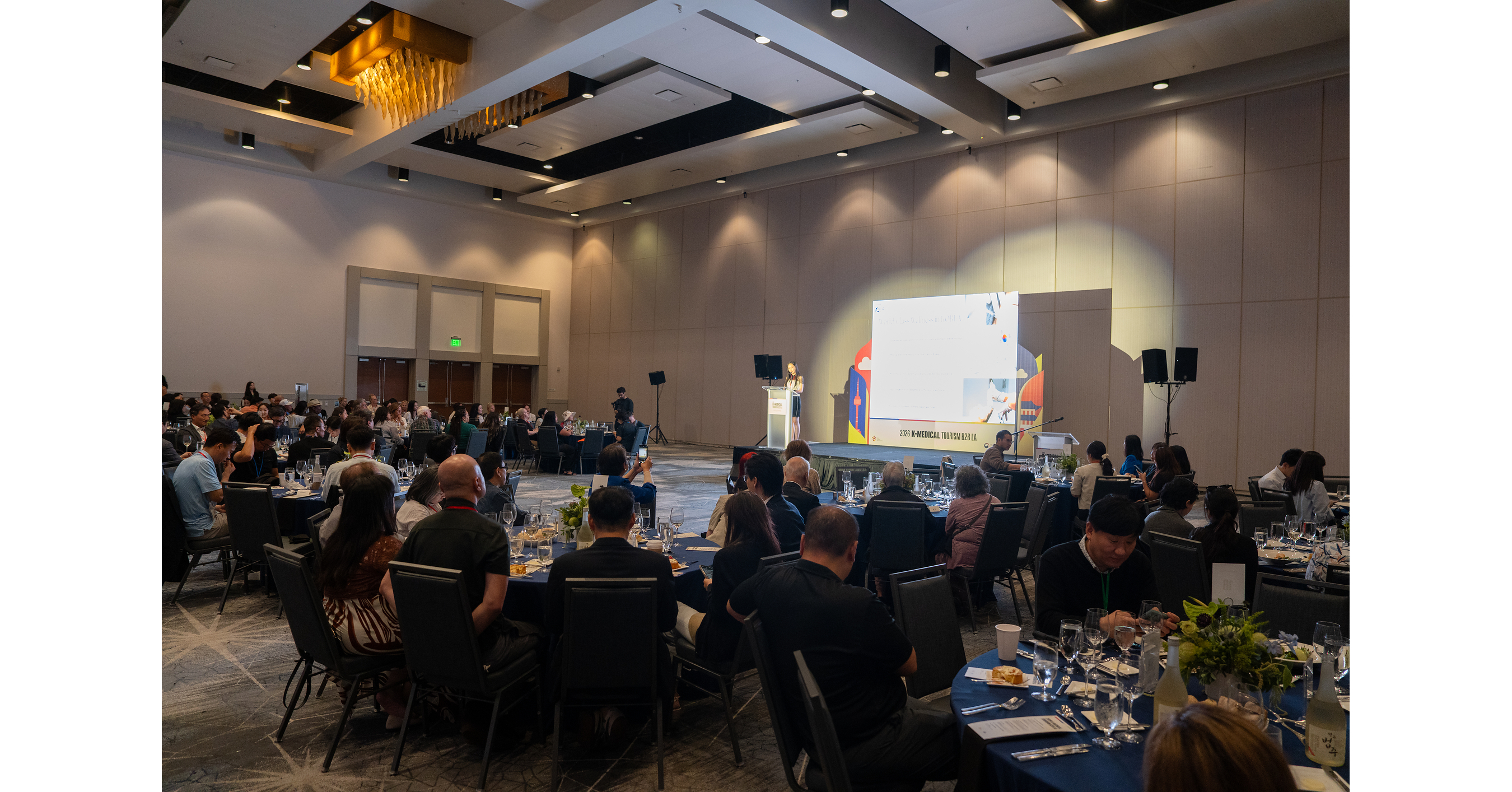
Korea Tourism Organization's Los Angeles office held its first large-scale U.S. medical-and-wellness tourism roadshow, convening about 180 attendees from 12 Korean institutions and U.S. healthcare, travel and airline partners. The event generated more than 150 pre-scheduled one-on-one B2B meetings, targeting expanding U.S. demand for Korean aesthetic medicine, K-Beauty and personalized wellness travel. The initiative supports longer-term Korea-U.S. industry partnerships but does not disclose revenue, bookings, or investment commitments.
Analysis
This is not material to MAR or DAL earnings at the stated scale; it is primarily destination-marketing activity rather than evidence of booked patient volumes or contracted capacity. The investable mechanism emerges only if medical-tourism demand becomes a repeatable premium long-haul travel category: higher-spend, less price-sensitive travelers can improve Korea-bound cabin mix and hotel ancillary revenue, but the near-term contribution is immaterial relative to network-wide load factors, corporate travel, and fuel.
The more relevant competitive implication is for Korean carriers, which can package treatment, lodging, and travel into direct-distribution products and retain the itinerary economics. DAL benefits only through alliance/network connectivity and could face modest share leakage on Korea routes if Korean Air or Asiana captures premium origin-and-destination traffic directly; MAR is more likely a lodging-distribution beneficiary than a rate beneficiary unless Seoul luxury occupancy tightens. Neither effect warrants a standalone position over the next 1-3 months.
Over 6-18 months, U.S. aesthetic-procedure price inflation and longer domestic elective-care wait times could create a durable cross-border demand niche, especially for self-pay procedures. The key falsifier is conversion: monitor Korean inbound medical-tourist statistics, Korea-U.S. air capacity/load-factor trends, and Seoul upscale RevPAR rather than event attendance or partnership announcements. Regulatory scrutiny of advertising, malpractice recourse, or post-procedure complications is the principal tail risk and would disproportionately impair demand from first-time U.S. travelers.
AllMind Terminal
AI-powered research, real-time alerts, and portfolio analytics for institutional investors.
Request TrialMarket Sentiment
Overall Sentiment
mildly positive
Sentiment Score
0.32
Ticker Sentiment
Key Decisions for Investors
- No new standalone MAR or DAL position on this item; treat it as a low-signal watch catalyst rather than an earnings-revision event over the next quarter.
- For existing DAL exposure, monitor trans-Pacific unit-revenue commentary and Korea route capacity in the next two earnings cycles. A sustained premium-cabin/RASM uplift alongside stable capacity would support incremental exposure; capacity growth without load-factor improvement falsifies the niche-demand thesis.
- Create an alert for quarterly Korea inbound medical-tourism data and Seoul luxury-hotel RevPAR. Consider a travel-demand basket only if both accelerate for two consecutive quarters, indicating realized conversion rather than promotional activity.
- Avoid extrapolating K-beauty demand into a broad U.S. healthcare-services trade: cross-border elective care remains sensitive to regulatory headlines and consumer-discretionary spending, making any 6-18 month demand upside highly cyclical.
More News
- Taiwan benchmark Taiex rises to record intraday high as tech stocks advance
- AMD joins the $1 trillion club as chip rally surges - our AI Strategy saw it early
- Paramount agrees invest $1.5 billion in domestic movies and create a board for editorial independence at CNN, CBS as part of deal for Warner Bros.
- Here's who we know is going to the Trump-Xi dinner so far
- How a Bangladeshi garment-maker is fighting the Middle East energy crunch
- +17% in a single session: This AI-picked stock catches a data-center breakout