
CassTime Unveils AI-Driven "T+D Solution" to Tackle Data and Repair Bottlenecks in the Global Automotive Aftermarket
Source: PR Newswire
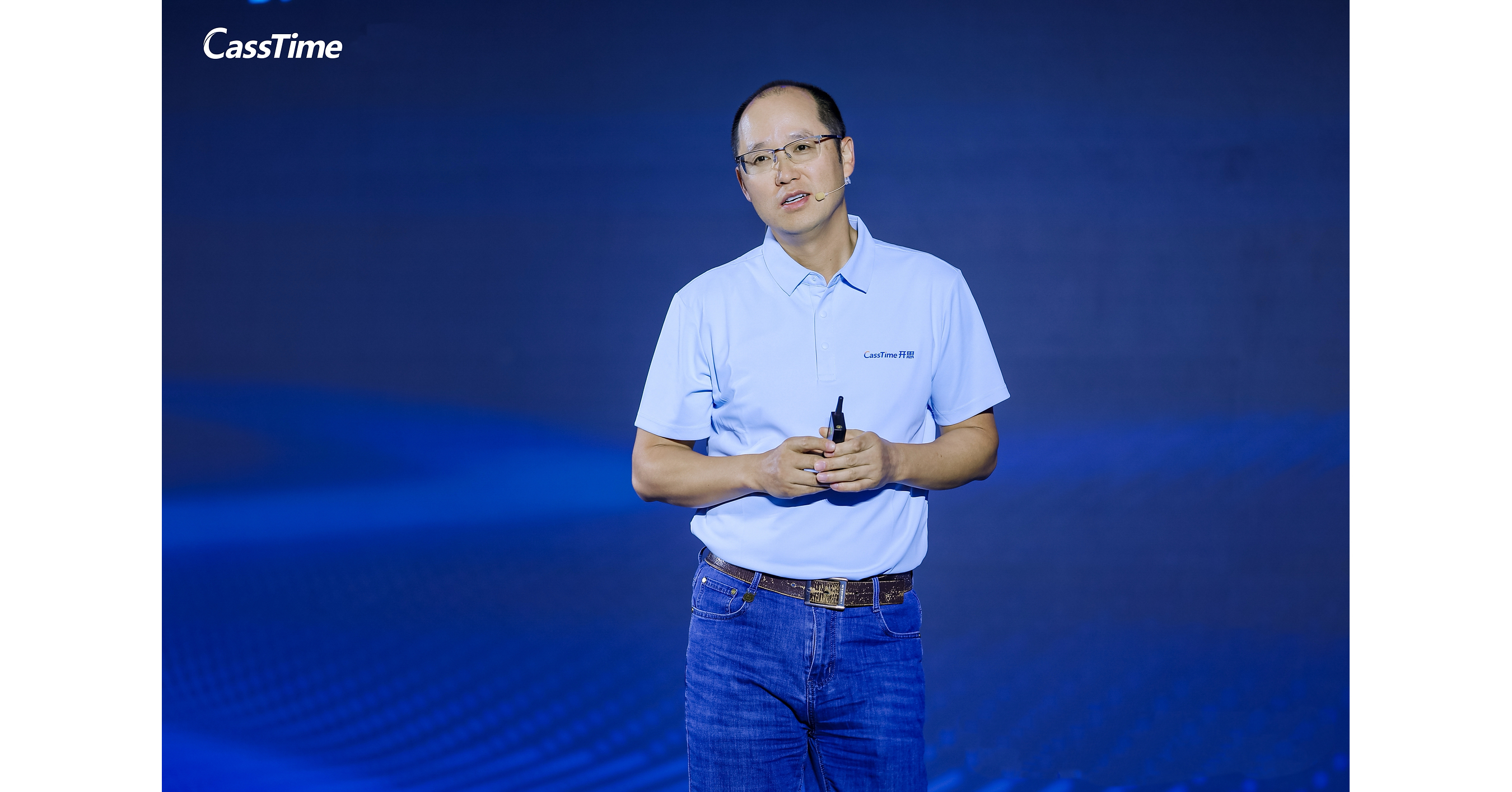
CassTime introduced its AI-driven T+D Solution at its 2026 Partner Conference to address automotive aftermarket parts-matching, sourcing, quotation, and repair-service bottlenecks. CassChoice has accumulated more than 5 million SKUs and can generate quotes in seconds for over 10,000 SKUs; PartGrid adds VIN matching and AI repair, claims-assessment, and seller agents. The solution is operating in Saudi Arabia, with the company extending the model toward Central Asia and South America.
Analysis
The investable mechanism is not “AI for aftermarket” by itself: if CassTime can make Chinese-vehicle parts easier to identify and repair abroad, it could reduce a serviceability barrier to Chinese automaker exports and pull parts demand toward connected Chinese suppliers. That is a potential 6–18 month ecosystem benefit, not yet evidence of material revenue for CassTime or any supplier. There is also a second-order conflict: claims automation may lower insurers’ assessment costs while increasing pressure on workshop labor rates and parts pricing, so adoption need not benefit every participant in the repair chain.
The moat is less certain than the launch language implies. VIN matching and repair cases must remain current across fast-changing models, and local supplier availability, certification, and delivery reliability still constrain outcomes. Existing distributors and repair-data providers could respond, while insurers and workshops may resist routing or assessment workflows through a new platform. A Saudi deployment is not proof of repeatable economics across markets with different channels and rules.
Near term, this is a low-information product announcement, not a standalone catalyst. Over 1–3 months, verify independent evidence of paying customers, active workshops, order conversion, repeat usage, and fulfillment/error rates. Over 6–18 months, assess whether overseas Chinese-vehicle parc growth translates into recurring platform transactions. No company-specific position is justified from the supplied information; CassTime’s public-market identity, financial contribution, and unit economics are not established. The contrarian risk is that investors capitalize “AI” and global reach before the platform demonstrates local network density.
AllMind Terminal
AI-powered research, real-time alerts, and portfolio analytics for institutional investors.
Request TrialMarket Sentiment
Overall Sentiment
mildly positive
Sentiment Score
0.30
Key Decisions for Investors
- No direct trade on the announcement: the supplied data gives no ticker or verified financial contribution, and the release provides no adoption, revenue, or unit-economics metrics.
- Set a watch item on automotive aftermarket distributors and suppliers exposed to Chinese-brand vehicle exports. Treat any benefit as conditional on evidence that CassTime increases parts availability and repeat orders, rather than merely generating quotes.
- Monitor the next 1–3 months for independently verifiable Saudi workshop and insurer adoption, transaction volumes, repeat usage, and fulfillment or matching error rates; expansion announcements alone do not validate the model.
- Reassess the 6–18 month thesis if overseas Chinese-vehicle growth is accompanied by a measurable increase in service-network coverage and parts transactions. Falsifiers include stalled workshop onboarding, poor delivery reliability, outdated vehicle data, or insurer/workshop resistance to automated claims workflows.
More News
- US launches task force to disrupt Iran’s land-based supply routes
- Qeshm island and Hormuz hit, as mediators try to prevent US-Iran escalation
- Decisive election. Dramatic stock swings. How we handled the market last week
- CoreWeave seeks truce with Texas Governor-elect Hinojosa
- Berkshire Hathaway stock is a haven again as investors flee AI bloodbath while its own portfolio takes a hit amid reshuffling
- AI stock selloff drives investors to China, India, and overlooked Asian sectors