
One Woman's 2,000-Mile Run Spurs a New Rescue Plan for the Colorado River
Source: PR Newswire
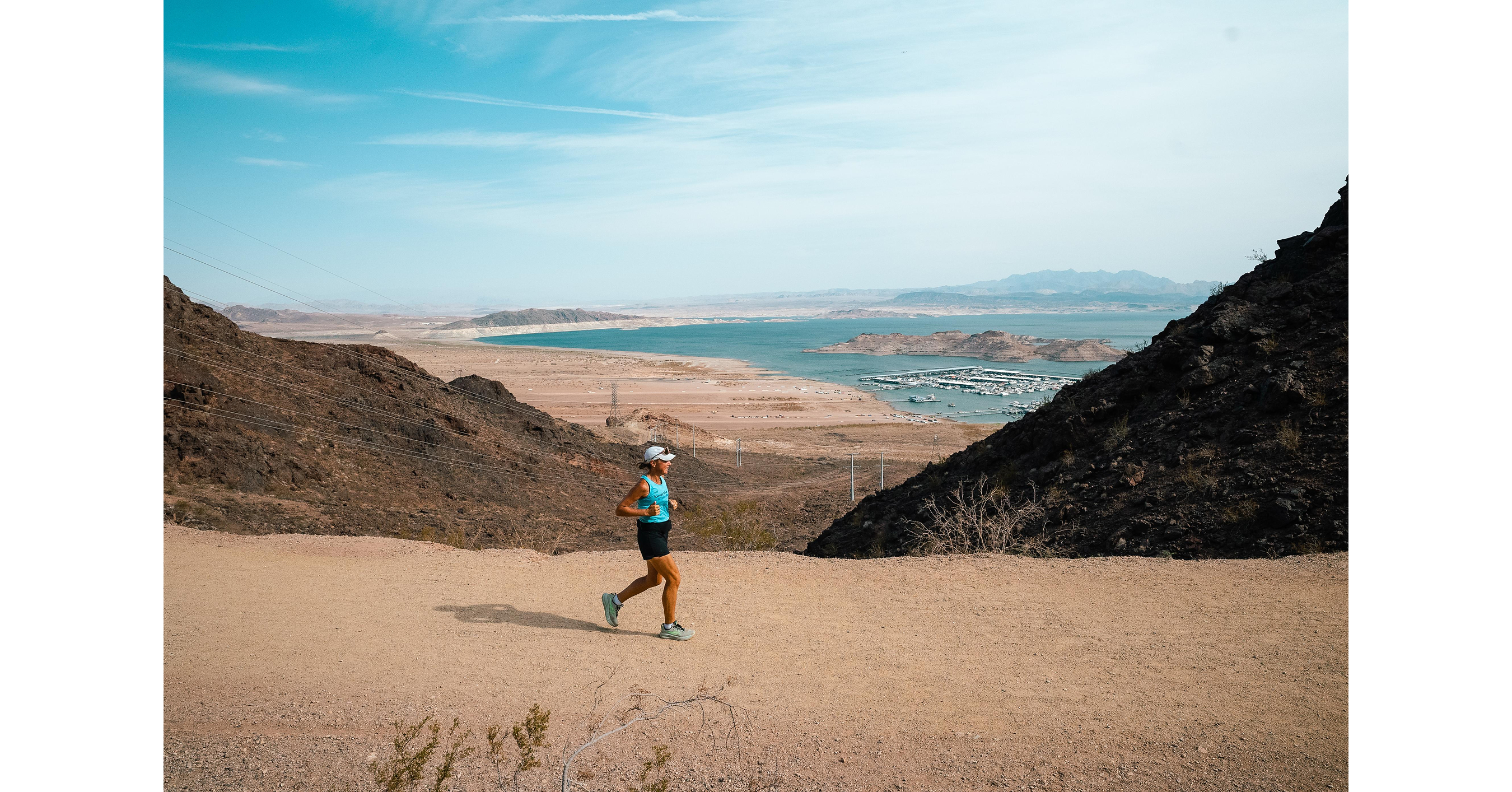
A coalition led by the Thirst Foundation, Grundfos and the Water Resilience Coalition finalized a shared plan to restore the Colorado River, targeting water efficiency, waste reduction, habitat restoration and source-water protection. The river supports 40 million people, 16 million jobs and $1.4T in annual economic activity, while Arizona, California and Nevada have been asked to reduce consumption by up to 3 million acre-feet annually. The initiative highlights escalating risks from record-low reservoirs, declining snowpack and potential disruption to agriculture, power generation and industry, but does not include quantified funding commitments or binding implementation targets.
Analysis
This is not yet a monetizable policy catalyst: the commitment lacks appropriations, binding delivery targets, basin-state allocation terms, or identified project pipeline. The near-term investable signal is instead an elevated probability that water availability becomes a permitting and operating-cost constraint for Southwestern load growth, particularly data centers and semiconductor fabs. META's local exposure is immaterial to consolidated earnings, but the broader hyperscaler buildout can face delayed energization and higher capex where cooling-water mitigation becomes a condition of approval.
The likely first beneficiaries over 6-18 months are publicly traded water-efficiency and reuse vendors rather than broad ESG vehicles: XYL, WTS and IEX have municipal/industrial treatment and metering exposure; AOS offers a more residential/commercial efficiency angle. Equipment demand can be amplified by utilities' preference for distributed conservation and reuse projects, which are generally faster to permit than new supply, although municipal procurement cycles mean revenue conversion will lag announcements by several quarters.
The underappreciated second-order risk is food inflation rather than direct utility equity downside. Reduced agricultural allocations raise the value of reliable irrigation and could pressure winter-produce supply and dairy feed economics; however, spot shortages alone do not create a durable trade unless acreage curtailment, crop-insurance claims, or wholesale produce prices confirm supply destruction. Natural-infrastructure proposals have the weakest earnings visibility and should not be capitalized as a near-term infrastructure-spending theme.
Consensus may overvalue headline-driven corporate water commitments while underpricing physical-water constraints in site selection. A binding interstate agreement, federal conservation funding, or disclosed hyperscaler project delay would shift this from a thematic watch item to an actionable capex re-rating; absent those, no META-specific position is warranted. Falsify the scarcity thesis if winter snowpack and reservoir projections materially improve, or if basin states secure voluntary reductions without material curtailment costs.
AllMind Terminal
AI-powered research, real-time alerts, and portfolio analytics for institutional investors.
Request TrialMarket Sentiment
Overall Sentiment
mildly positive
Sentiment Score
0.18
Key Decisions for Investors
- No standalone META trade: require disclosure of a Southwest data-center delay, incremental water-mitigation capex, or permitting condition before expressing a company-specific view; local water exposure is too small versus AI capex, advertising, and regulatory drivers.
- Build a 6-18 month watchlist for long XYL and WTS versus the S&P 500, not an immediate entry. Initiate only after evidence of funded municipal reuse/conservation awards or upward order/backlog commentary; size for a thematic catalyst rather than a near-term earnings beat.
- Monitor a long XYL / short PHO pair only if federal or basin-state funding becomes explicit: XYL has clearer exposure to utility efficiency and analytics, while PHO dilutes the signal with beverage and diversified industrial holdings. Exit if project awards fail to emerge within two quarters.
- Track Colorado Basin snowpack, Lake Mead/Powell projections, agricultural acreage data, and hyperscaler permitting calendars over the next 1-3 months. A material hydrology improvement or voluntary allocation agreement without capex commitments removes the near-term equipment-demand thesis.
More News
- Crusoe raises $3.9B to build massive data centers and small modular “AI factories”
- Drone attacks by Colombian armed groups more than double in early 2026
- Americans’ data center fears are coming true—a New Jersey location just leaked 5,000 gallons of diesel
- In Silicon Valley, AI data center boom meets local resistance
- What are the biggest AI companies and how much are they worth?
- California AG Bonta on Paramount-Warner Bros., Meta and AI