
U.S. Department of Agriculture Proposes Eliminating the Roadless Rule
Source: PR Newswire
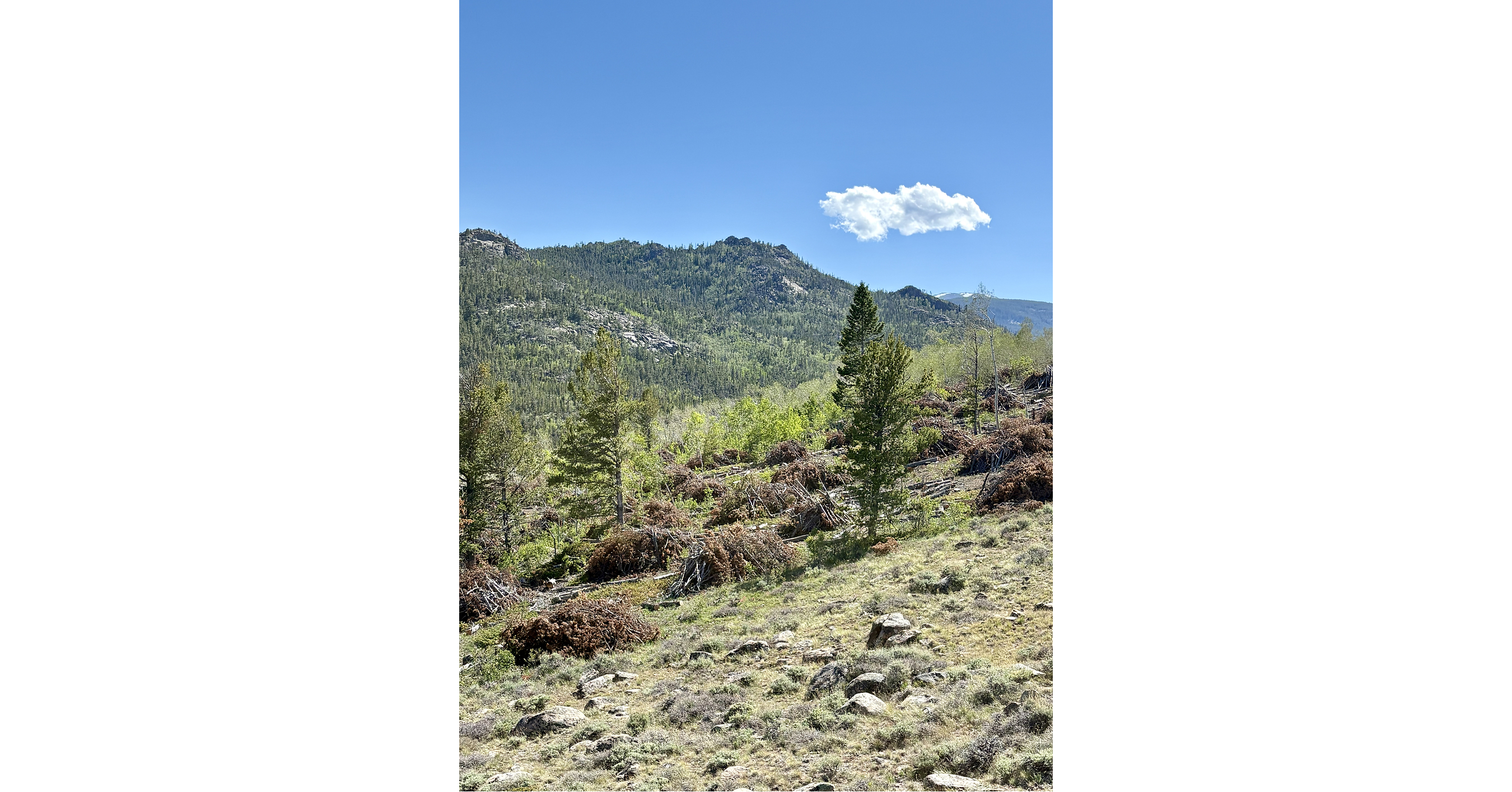
The USDA’s proposed repeal of the 2001 Roadless Rule would open 44.7 million acres to road building and timber harvest, but the agency’s draft environmental impact statement estimates only a 5%–10% increase in annual sawtimber harvest and says wildfire-risk reduction would likely be limited. The DEIS projects $6.1 million in annual recreation-benefit losses, says timber-sale revenue would not cover road construction and maintenance costs, and finds potential adverse effects on 327 threatened and endangered species and 71 critical habitats. The Forest Service has a $6.9 billion road-and-bridge maintenance backlog; public comments close Oct. 6, with a final USDA decision expected in 2027.
Analysis
Investment signal is limited and asymmetric: broad repeal would not automatically translate into a meaningful timber-supply shock. The estimated harvest response is constrained by terrain, haul distance, and project economics, while new access roads add a liability that can erode sale proceeds. That weakens the case for positioning against lumber prices or long timber producers on this announcement alone. Road contractors may see selective, near-term project opportunities, but procurement timing and federal maintenance funding—not acreage opened on paper—will determine whether revenue materializes.
The more durable exposure is localized: additional roadbuilding or harvest could raise sediment and treatment burdens for utilities serving watersheds near affected forests, while disruption to quiet recreation could weigh on some gateway businesses. These are geographically concentrated risks, not a broad water-utility or leisure-sector short thesis. The DEIS is an agency analysis as relayed by an advocacy group; verify the underlying assumptions and project-level economics before underwriting earnings impact.
Near term, comments and political opposition raise the probability of delay, carve-outs, or a narrower final rule. A 2027 decision leaves time for administrative or legal challenges, so headline volatility may exceed near-term cash-flow change. Contrarian point: markets may overread “44.7 million acres opened” as incremental commercial supply; conversely, the long-run fiscal cost of expanded road networks may be underpriced if the proposal advances. Thesis is falsified by a final rule with broad, durable access plus funded projects and demonstrable harvest increases, or by a decision retaining protections without material exceptions.
AllMind Terminal
AI-powered research, real-time alerts, and portfolio analytics for institutional investors.
Request TrialMarket Sentiment
Overall Sentiment
mildly negative
Sentiment Score
-0.30
Key Decisions for Investors
- No immediate sector-wide trade. Treat the proposal as a policy watch item; acreage eligibility is not equivalent to economically viable timber supply.
- Avoid a bearish lumber or timber-producer position based on this news alone. Reassess only if final-rule details and project pipelines show sustained, market-relevant harvest growth; track actual timber-sale volumes and road spending.
- Watch for selective opportunities among road-construction contractors if funded Forest Service awards emerge, but do not trade the proposal headline: confirm appropriations, bid awards, and maintenance-cost allocation first.
- Monitor regional water utilities and recreation-dependent businesses with material exposure to affected watersheds or forests, rather than applying a broad sector view. Escalate if local treatment costs, permit restrictions, visitation, or company guidance show measurable deterioration.
More News
- Australia top court rules against coal mine expansion, citing climate harm
- US forecasts hurricane later this week in Gulf of Mexico
- Paramount's hard-fought takeover of Warner Bros. Discovery closes Tuesday. Here's how we got here
- Nvidia Is on the Verge of a $6 Trillion Market Value
- Paramount and Warner Bros. Discovery complete $110 billion media megamerger
- Analysis-Vietnam’s banks tap investors for $7 billion as economy runs red hot