
SK chemicals développe des modèles régionaux d'économie circulaire pour les bannières usagées
Source: PR Newswire
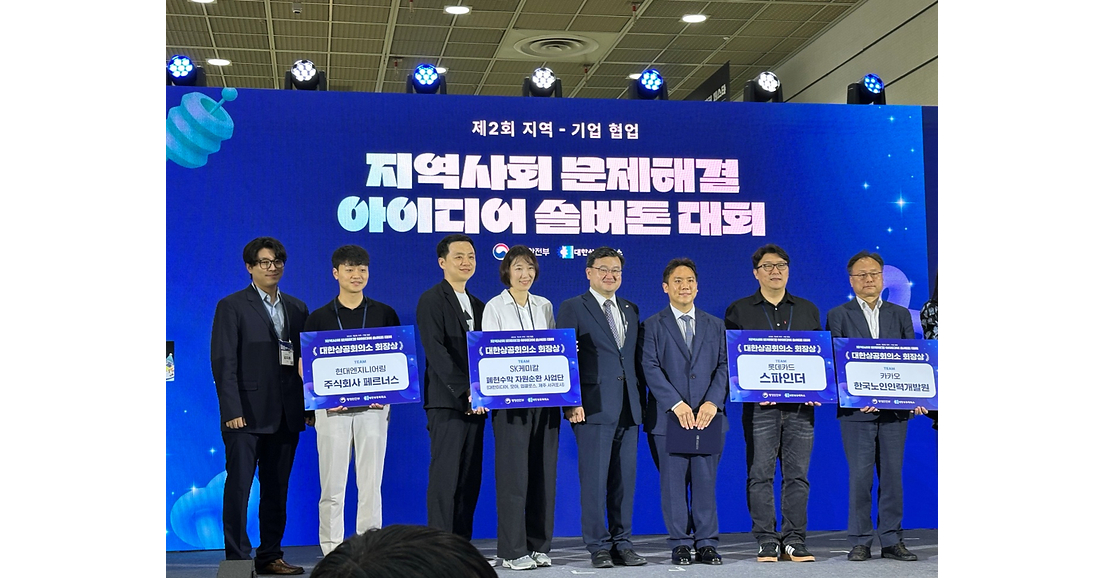
SK chemicals a créé avec quatre partenaires régionaux un consortium visant à collecter et recycler les bannières usagées en Corée du Sud, puis à fabriquer de nouvelles bannières à partir des matières premières récupérées par dépolymérisation. Le projet concerne les régions de Gyeongsang, Honam et Jeju, où SK chemicals estime que plus de 1 000 tonnes de bannières usagées sont générées par an ; à l’échelle nationale, environ 6 000 tonnes sont produites chaque année et près de 70 % seraient enfouies ou incinérées, selon le ministère concerné.
Analysis
The investment signal is execution optionality, not near-term earnings: regional collection contracts could secure otherwise difficult-to-source feedstock and provide a municipal reference case for SK chemicals’ depolymerization platform. The key second-order constraint is that collection, sorting and preprocessing costs may absorb the value of recovered material; a chemically closed loop is not automatically a profitable one. Banner composition, contamination tolerance, process yield, energy use and product qualification are still unverified, and the article supplies no capacity, capex, offtake pricing or unit economics.
Over 1–3 months, watch for disclosed operating volumes, conversion yields, repeat municipal procurement and evidence that recycled-content banners meet buyer specifications. Over 6–18 months, replication across regions would matter more than this consortium itself: standardized collection and dependable offtake could turn a fragmented waste stream into a scalable input, while weak participation or subsidy dependence would cap expansion. Potential losers are incumbent disposal routes and small upcyclers only if collection is redirected at meaningful scale; neither is established here.
Contrarian read: the national waste pool is not the addressable market. The initial regions represent a subset, and collecting banners is not equivalent to securing suitable feedstock at competitive cost. Treat the announcement as a pilot milestone, not proof of commercial advantage. The thesis weakens if volumes remain low, quality/yields disappoint, or new-banner buyers do not pay for recycled content; it strengthens with independently verifiable throughput, economics and repeat orders.
AllMind Terminal
AI-powered research, real-time alerts, and portfolio analytics for institutional investors.
Request TrialMarket Sentiment
Overall Sentiment
mildly positive
Sentiment Score
0.35
Key Decisions for Investors
- No immediate equity trade: no ticker mapping, valuation, financial exposure or demonstrated earnings contribution is supplied. Avoid treating the ESG framing as a standalone re-rating catalyst.
- Set an alert for quantified operating data: tonnes collected and processed, feedstock composition, conversion yield, energy/cost per tonne, and the share of output taken under repeat commercial or municipal orders.
- If SK chemicals’ broader chemical-recycling exposure is investable, size it as a catalyst watch rather than a core thesis until commercial economics and scale are disclosed; reassess on regional expansion backed by verified throughput.
- Falsify the bullish case if the pilot depends on uneconomic collection support, fails material-quality qualification, or produces no repeat procurement; upgrade the case only if multiple regions demonstrate reliable supply and paid offtake.
More News
- Why Dangote’s Nigeria Refinery IPO Is Such a Big Deal for Africa
- ServiceNow President and COO Amit Zavery on AI Demand
- Australia top court rules against coal mine expansion, citing climate harm
- Singapore's Temasek warns of the ‘biggest risk’ facing markets right now
- What Marvell's rosy long-term guidance means for our AI chip stocks
- Nvidia Is on the Verge of a $6 Trillion Market Value