
Pittsburgh Attorney Frank Walker Explains When to Call a Lawyer After a Car Accident in HelloNation
Source: PR Newswire
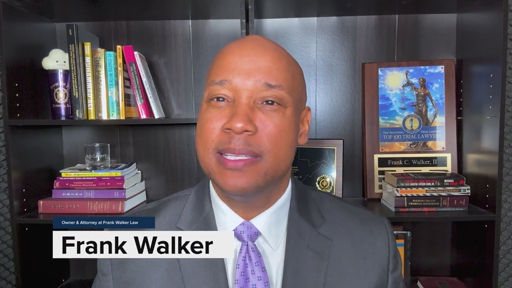
A HelloNation article featuring Pittsburgh attorney Frank Walker advises considering early legal guidance after a car accident, particularly when injuries, insurance coverage, or Pennsylvania’s limited-tort/full-tort rules may affect recovery. It highlights delayed injury symptoms, claim documentation, insurer communications, and statutes of limitations, but reports no specific case outcome or financial figures.
Analysis
This is promotional legal content, not evidence of a change in Pennsylvania claim frequency, severity, or law. The investable mechanism is conditional: if more claimants obtain counsel before giving statements or signing releases, insurers could see more represented claims, longer settlement cycles, and pressure on bodily-injury severity and defense costs. The offset is that earlier documentation may reduce disputed causation and claim-handling friction, so representation does not mechanically imply higher ultimate losses. Any effect on national carriers such as Allstate, Progressive, or Travelers is likely immaterial absent corroborating Pennsylvania claims data; the article provides no evidence of a shift in claimant behavior. Near term, expect no fundamental catalyst. Over 1–3 months, monitor insurer commentary on bodily-injury severity, represented-claim rates, and legal expense. Over 6–18 months, a persistent trend could influence pricing and reserves, but this single advertorial cannot establish one. The contrarian point is that the clearest commercial beneficiary may be local plaintiff firms, yet their private economics are not directly investable through the supplied information. No sector trade is justified on this signal alone.
AllMind Terminal
AI-powered research, real-time alerts, and portfolio analytics for institutional investors.
Request TrialMarket Sentiment
Overall Sentiment
neutral
Sentiment Score
0.00
Key Decisions for Investors
- No trade on the article: treat it as marketing content, not a claims-trend datapoint.
- Use upcoming earnings and regulatory filings from U.S. auto insurers as the verification path; track bodily-injury severity, claims duration, represented-claim frequency, and loss-reserve development, with Pennsylvania-specific data where available.
- Reassess the insurance-sector view only if multiple independent data points show sustained deterioration in those metrics or carriers cite Pennsylvania tort-election or litigation dynamics as a material pricing/reserving issue.
- Falsification: stable or improving bodily-injury severity and reserve development would argue against a meaningful insurer-earnings impact, even if legal consultations become more common.
More News
- A lesson from poker tells us not to fold on Meta after its earnings sell-off. Here’s why
- Oura sues rival Ultrahuman again, threatening its U.S. smart ring comeback
- Personal agents like Meta's Muse could fuel AI’s growth — and challenge Amazon and Apple
- ‘Facebook’s wrongdoing’: Why has Meta been fined $25bn in New Mexico?
- Meta shocked by $25B fine after N.M. refused to join multistate settlement
- Exclusive-GM cancels deal with new US rare-earth magnet plant, documents say
From AllMind Research
- Anthropic IPO Preview: Valuation, Timing, and What to Watch
- Shein After the IPO: Venue, Valuation, and What Must Be Proved
- What AI Research Tools Should a Small Hedge Fund Buy First?
- Research Workflows, Report Format Selection, and Interactive Synthesis
- Can ChatGPT Analyze a 10-K? A Verification Workflow