
What happens to Wall Street if CoreWeave defaults? JPMorgan checked the math.
Source: marketwatch.com
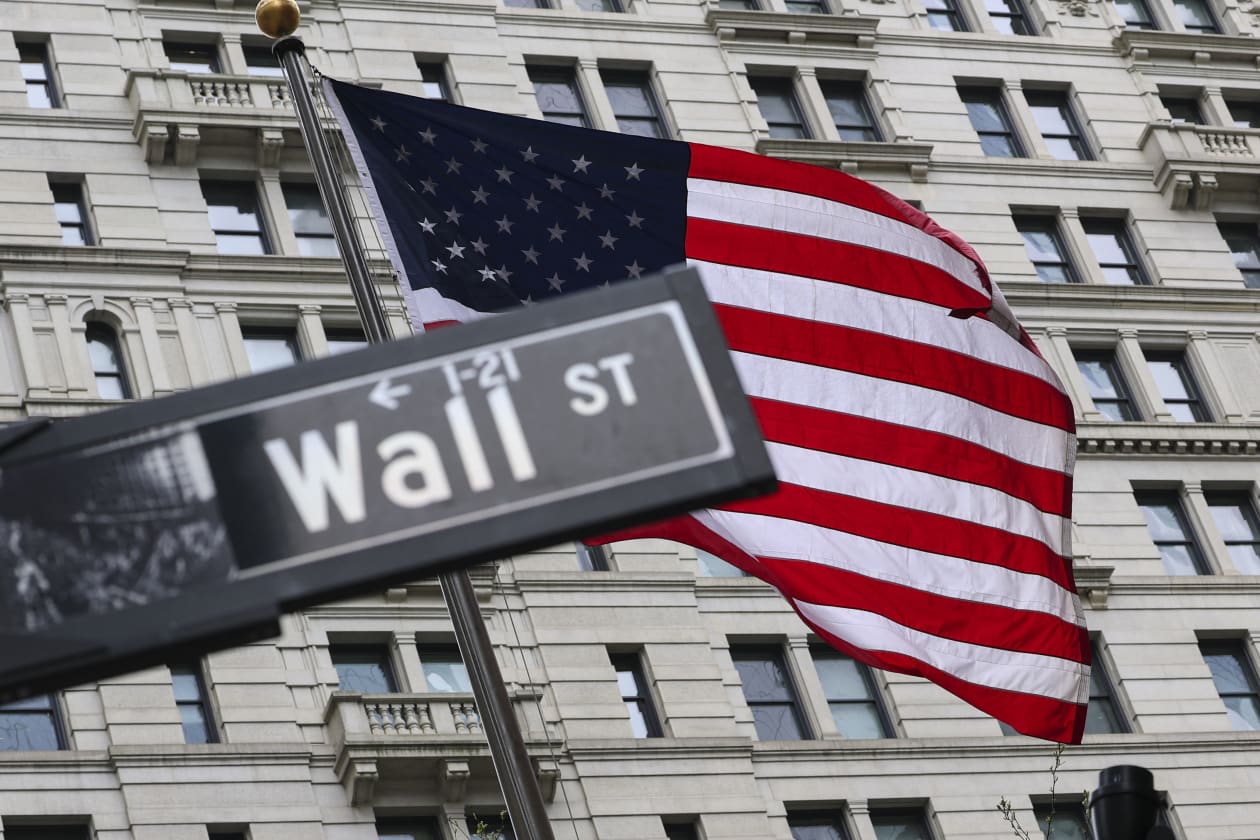
CoreWeave has $52 billion in debt, prompting JPMorgan analysts to assess banks’ exposure in a potential default. The analysts said banks’ exposures are “well managed and very well secured,” and concluded the impact would not be substantial.
Analysis
The key distinction is between bank loss severity and the availability of future financing. Collateral may limit direct lender losses, but a forced sale of specialized compute assets could still impair recovery values if several borrowers need to liquidate into the same thin market. That channel matters more over the next 1–3 months than a headline estimate of bank exposure: watch GPU resale values, refinancing terms, and whether lenders tighten advance rates across AI infrastructure borrowers. Over 6–18 months, tighter funding could shift incremental workloads toward hyperscalers with greater capacity to self-fund, while raising the cost of capital for standalone compute providers. This is a conditional spillover, not evidence that CoreWeave’s difficulties are imminent or that the broader AI buildout is impaired. Near term, the article alone is not a reason to short banks: secured exposure can constrain credit losses, and it says little about indirect exposures or market pricing. The thesis weakens if CoreWeave refinances on workable terms, collateral values hold, and lenders continue financing comparable projects without materially tighter covenants. The critical missing data are debt maturities, collateral composition and valuation, lender concentration, and utilization/cash generation.
AllMind Terminal
AI-powered research, real-time alerts, and portfolio analytics for institutional investors.
Request TrialMarket Sentiment
Overall Sentiment
neutral
Sentiment Score
0.00
Ticker Sentiment
Key Decisions for Investors
- No broad-bank short on this item alone. The reported security of direct exposures argues against treating bank solvency as the primary trade; reassess only if filings or lender disclosures show concentrated exposure, declining collateral coverage, or rising provisions.
- Put CRWV credit and equity on a financing watchlist rather than initiating a directional position from this article. Track refinancing spreads, covenant changes, maturities, utilization, and operating cash flow; a failed or punitive refinancing would be a clearer catalyst than the aggregate debt figure.
- Conditional relative-value idea: if AI infrastructure funding costs rise materially while hyperscaler investment plans remain intact, consider favoring balance-sheet-strong cloud platforms over standalone compute exposure. Do not implement without confirming the funding divergence and checking relative valuation and positioning.
- Monitor for the second-order downside: simultaneous asset sales by leveraged compute providers could depress collateral marks and tighten credit for the sector. Falsify that concern if GPU resale values remain firm and new lending terms show no broad deterioration.
More News
- Neoclouds Lose Silver Lining as Elice, CoreWeave Dive: Evening Briefing Americas
- This Janus Henderson fund manager owns CoreWeave debt — here's why he's sticking with it
- Obsessed with CoreWeave and the AI trade? You're missing out on some great stocks
- AI rally fades away from Wall Street as a tiny IPO makes big waves
- Anthropic in talks with neocloud Nscale over second multibillion-dollar deal, source tells CNBC
- CoreWeave will see more 'value destruction' ahead on growing structural fears, says HSBC
From AllMind Research
- Anthropic IPO Preview: Valuation, Timing, and What to Watch
- Shein After the IPO: Venue, Valuation, and What Must Be Proved
- What AI Research Tools Should a Small Hedge Fund Buy First?
- Can ChatGPT or Claude Replace a Research Platform?
- How the 2026 Milan-Cortina Winter Olympics Will Reshape Company Revenues and Stock Performance