
THE MAGIC OF TOMORROWLAND RETURNS TO CHINA WITH A WORLD-CLASS LINEUP FOR ITS EXPANDED TWO-DAY EXPERIENCE
Source: PR Newswire
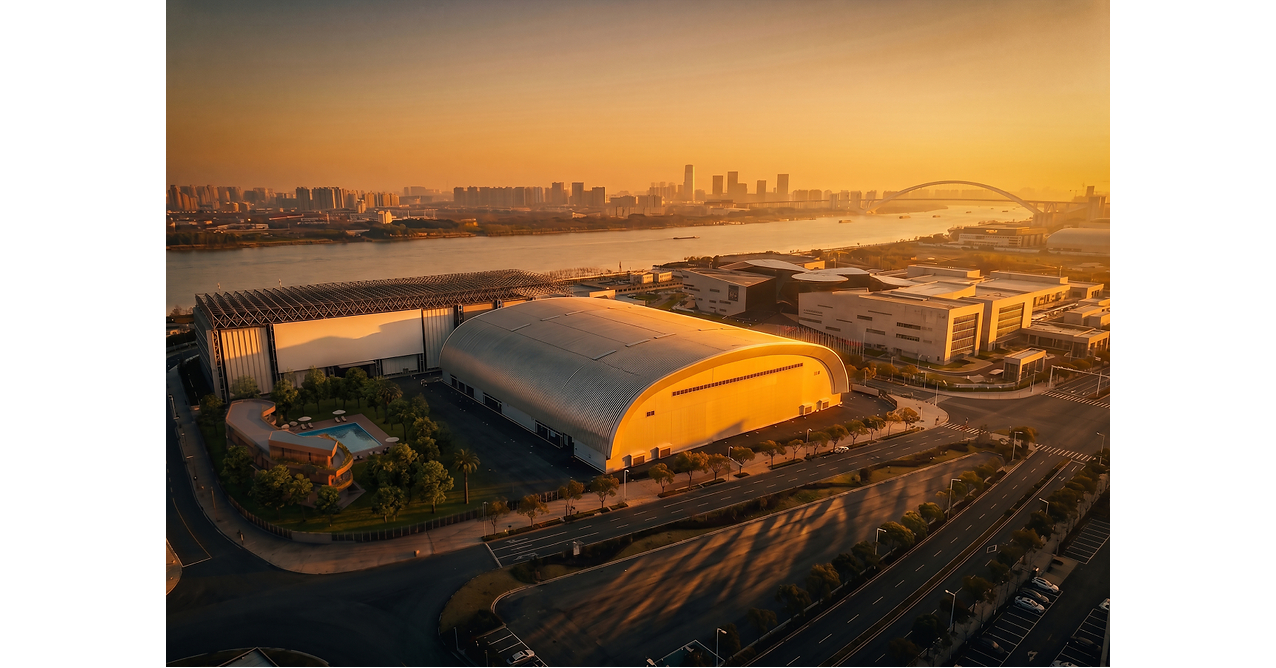
Tomorrowland’s “Magic of Tomorrowland” returns to Shanghai on Oct. 17-18 with an expanded two-day format and a refreshed Hero Dome featuring a 99-meter curved LED screen plus 80 ceiling screens. Ticketing starts in early September via multiple official platforms (e.g., INS Land App/WeChat mini-program, Damai, Ticket Planet), with GA priced at ¥788 (single day) / ¥1488 (2-day) and GA+ at ¥1288* / ¥2388* (2-day). The article emphasizes premium experience upgrades (e.g., Harbour Villa access for GA+), suggesting renewed strong consumer demand rather than any broader market or financial impact.
Analysis
This is less a company-specific earnings event than a read on premium discretionary demand in Tier-1 China. The meaningful signal is the willingness to pay for an imported, scarcity-driven experience with an upsell tier; that favors operators with scarce inventory, strong brand licensing, and monetization of VIP access more than mass-market entertainment assets. If sell-through is brisk in September, the first-order beneficiary is the local venue/experience stack; the second-order winners are adjacent hospitality, F&B, and ticketing rails that can monetize high-margin ancillary spend.
The market should not extrapolate too much from a single festival, but the expanded format matters because it raises ARPU and tests whether premium live events can sustain pricing power after the initial novelty effect. If this works, it strengthens the case for more imported IP-led events in China and improves the bargaining position of local promoters versus purely domestic programming. The main loser is substitute local nightlife and mid-tier entertainment, where attention and wallet share get diverted toward fewer, higher-priced events.
Catalyst path is short: ticket take-up in early September will tell us whether this is a true premium-demand story or just a PR-led launch. Over 1-3 months, any evidence of quick sell-out, secondary-market premiums, or repeated sponsor participation would validate margin resilience; over 6-18 months, the key question is whether this becomes a recurring franchise or stays an occasional spectacle. Falsifiers are weak ticket velocity, discounting, or a lack of repeat announcement cadence into next year.
The contrarian view is that consensus may be overrating the strategic importance of the announcement: one event does not change China leisure fundamentals, and high fixed costs can make these productions look attractive in press releases but mediocre in cash flow if demand softens. The opportunity is to own only the names with direct monetization, not the broad theme.
AllMind Terminal
AI-powered research, real-time alerts, and portfolio analytics for institutional investors.
Request TrialMarket Sentiment
Overall Sentiment
mildly positive
Sentiment Score
0.25
Ticker Sentiment
Key Decisions for Investors
- Watchlist, not a blanket long: if WWRL is the venue/experience monetization lever, buy on confirmation of strong September sell-through and keep a tight stop if tickets lag; the setup is a catalyst trade, not a structural compounder.
- Pair idea: long premium experiential exposure in China vs short broad consumer-discretionary proxy if ticket data confirms pricing power; thesis is that high-end scarcity outperforms mid-tier leisure when wallets are selective.
- Set an alert on secondary-market pricing and sell-out speed in early September; if GA+ clears quickly, it is a positive read-through for adjacent hospitality/F&B/entertainment operators, but if inventory lingers, fade the move.
- Avoid chasing named small-cap event-adjacent tickers without disclosure on revenue share or sponsor economics; the trade only works if we can verify that the event translates into earnings, not just attention.
More News
- Nvidia GPUs are everywhere. Here are the ways companies are accessing them
- As companies pour billions into Earth-based AI infrastructure, Google is taking the data center race off-planet
- AI's Supercharging a Scam Economy Bigger Than the Cocaine Trade
- Verizon stock heads for worst day since 2002 as SpaceX U.S. network plans whack telcos
- Big Tech is betting $700 billion on AI. Healthcare will decide whether the bet pays off
- Tesla's Full Self-Driving is now called Assisted Driving in Europe