
Eli Lilly obesity drug data adds pressure on Novo Nordisk
Source: proactiveinvestors.com
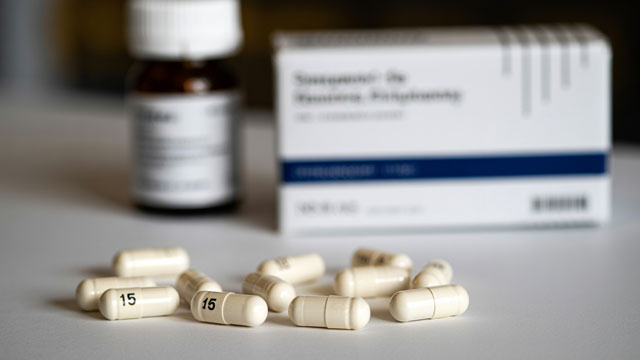
Eli Lilly's experimental obesity treatment EloraTZP delivered up to 23.3% weight loss after 48 weeks in overweight or obese type 2 diabetes patients, exceeding outcomes from tirzepatide alone. The promising mid-stage data intensify competitive pressure on Novo Nordisk in the high-growth obesity-drug market and could weigh on expectations for its market share and long-term growth.
Analysis
The market implication is less about a near-term revenue transfer and more about durability of NVO's obesity franchise terminal value. If Lilly can demonstrate superior efficacy without materially worse tolerability or discontinuation, prescribers and payers gain a credible rationale to concentrate formularies around Lilly's platform, raising NVO's rebate burden and lowering the probability that its next-generation pipeline restores a sustained efficacy premium. That would pressure NVO's 2027-30 sales and margin assumptions before any meaningful commercial share loss appears in reported results.
LLY's upside is conditional: a multi-agent injectable may command premium pricing only if persistence, nausea/vomiting, hypoglycemia, lean-mass preservation and cardiovascular outcomes remain acceptable. The key 1-3 month catalyst is fuller safety and subgroup disclosure; the key 6-18 month issue is whether phase 3 dose selection preserves the apparent efficacy advantage at a commercially viable discontinuation rate. A safety signal, weak lean-mass data, or incremental manufacturing complexity would limit LLY's ability to monetize efficacy and could reverse the relative move quickly.
Consensus may be over-extrapolating headline weight loss in a diabetic trial to the broader obesity market. NVO still has meaningful advantages in established prescriber relationships, global reimbursement access and oral/injectable lifecycle management; moreover, higher efficacy can expand the treated population rather than create a zero-sum switch. The more durable negative read-through for NVO is payer negotiating power: even partial clinical differentiation gives PBMs leverage to demand lower net prices across the category, impairing both companies' long-run gross-margin expectations.
AllMind Terminal
AI-powered research, real-time alerts, and portfolio analytics for institutional investors.
Request TrialMarket Sentiment
Overall Sentiment
mildly negative
Sentiment Score
-0.38
Ticker Sentiment
Key Decisions for Investors
- Initiate a 3-6 month relative-value position: long LLY / short NVO in equal dollar beta-adjusted sizing. The thesis is multiple divergence driven by a lower NVO terminal-growth narrative; target 10-15% relative performance, with a stop if detailed tolerability/discontinuation data materially weakens the efficacy-risk balance or NVO delivers a clearly superior pipeline readout.
- Avoid adding outright LLY exposure into an immediate post-data momentum move; use a pullback or hedge with 6-month downside puts because phase-2 efficacy alone does not establish approval, supply scalability or pricing power. Reassess after full safety, body-composition and discontinuation disclosures.
- For existing NVO longs, reduce exposure ahead of the next obesity pipeline and guidance cycle unless valuation already discounts a sustained net-price step-down. The falsification point for the bearish view is NVO maintaining obesity prescription growth and net pricing while demonstrating competitive next-generation efficacy/tolerability.
- Monitor PBM formulary decisions, gross-to-net commentary and obesity-drug discontinuation rates over the next two earnings cycles. A broad category rebate escalation would support a paired short in the higher margin-expectations name rather than a directional long in either manufacturer.
More News
- Why Lilly and Novo are betting on amylin to power a new wave of obesity drugs after GLP-1s
- Big Pharma turns to China for new drugs as patent cliff drives multibillion-dollar deals
- Wedbush cuts Foghorn Therapeutics stock rating on drug setback
- Stifel cuts Foghorn Therapeutics stock price target on pipeline shift
- Trump Medicare drug pricing model may apply to only four companies after exemptions
- Paramount and Warner Bros Discovery to become Skydance