
Scott & Jon's Expands Its Seafood Lineup with a Fresh Take on Homestyle Tuna Noodle Casserole
Source: PR Newswire
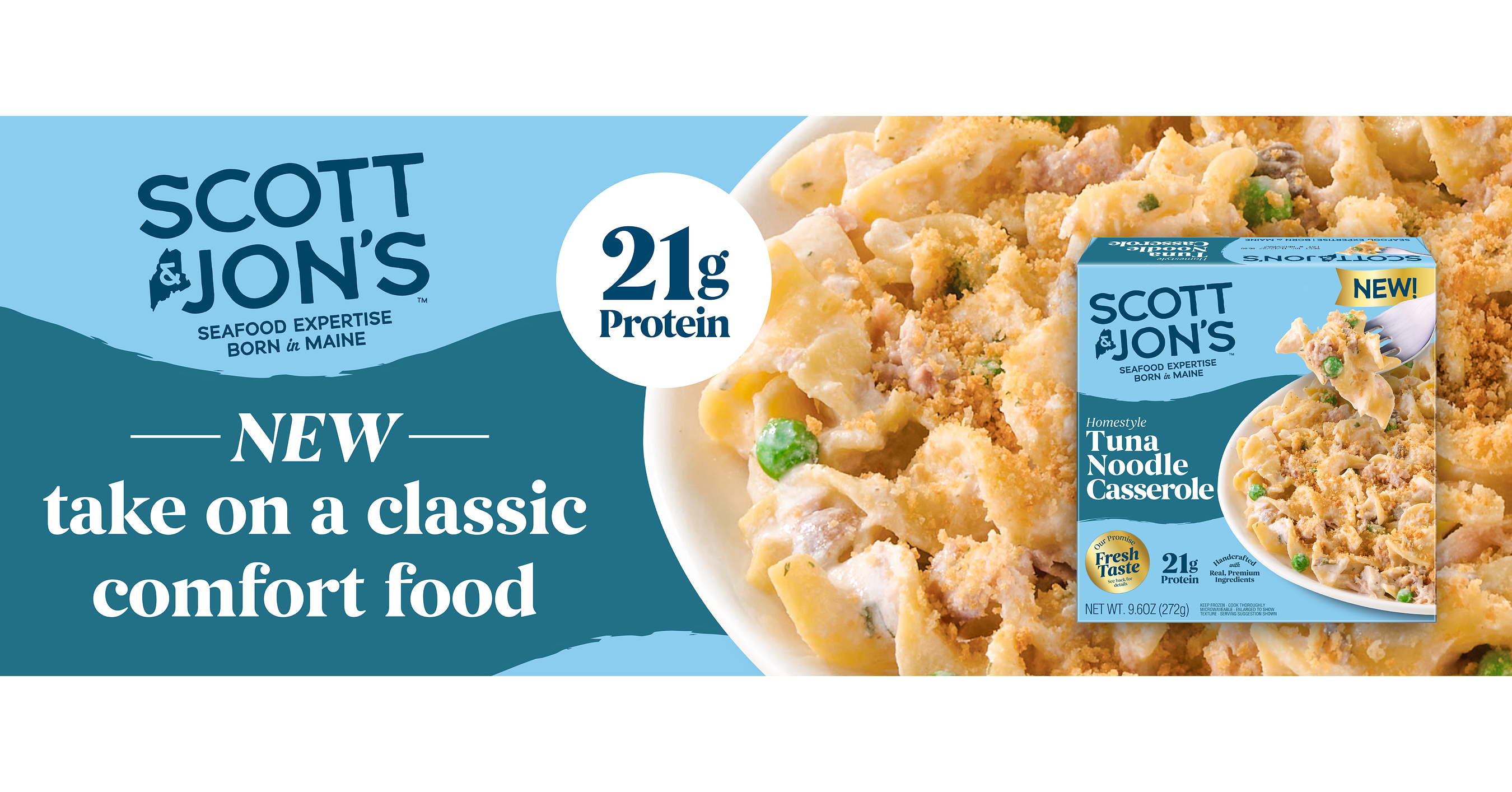
Scott & Jon's launched Homestyle Tuna Noodle Casserole, its first tuna-based frozen seafood meal, with 21g of protein, 3g of fiber and fewer than 500 calories per serving. In a 103-consumer blind test, the product was preferred 2-to-1 over a leading brand and outperformed across flavor measures. The product is available this fall at select chains including Giant Eagle, Weis, Schnucks, Big Y, Market Basket and Nugget, expanding the brand beyond its historic shrimp, salmon and white-fish lineup.
Analysis
This is immaterial to Weis Markets' earnings absent evidence of a broader authorized-distributor rollout or measurable incremental freezer-door productivity. A single regional SKU can modestly support category differentiation and basket retention, but branded frozen-meal economics largely accrue to the vendor; WMK captures only retail gross margin and any traffic attachment, while absorbing reset, promotional and potential shrink risk.
The more relevant read-through is that value-oriented, protein-forward frozen meals are competing for shelf space against private label and entrenched brands. If velocity is strong, WMK could improve frozen category turns and reduce reliance on deeper promotions; if not, the product is likely displaced at the next reset, with no meaningful P&L consequence. The vendor's preference claim is based on a small, company-sponsored taste test and is not a reliable predictor of repeat purchase, distribution expansion, or price elasticity.
Over the next 1-3 months, monitor syndicated scanner data, retailer digital circular placement, and assortment breadth across Weis stores rather than treating initial availability as a sales catalyst. Over 6-18 months, a sustained shift toward convenient protein meals could favor frozen-category suppliers with scale and retailer-private-label programs, but WMK's valuation remains driven far more by food inflation, labor expense, pharmacy performance, and capital-return policy. Consensus is likely correct to ignore this announcement; the non-obvious risk is not upside, but shelf-space cannibalization of higher-margin private-label frozen prepared foods.
Thesis falsification: evidence of chain-wide placement, repeat promotional support, or Nielsen/IRI velocity materially above comparable frozen entrée launches would make this a small positive category-margin datapoint for WMK. Conversely, expanded discounting or elevated discontinued-SKU activity would indicate weak turns and reinforce that the launch is commercially insignificant.
AllMind Terminal
AI-powered research, real-time alerts, and portfolio analytics for institutional investors.
Request TrialMarket Sentiment
Overall Sentiment
mildly positive
Sentiment Score
0.34
Key Decisions for Investors
- No standalone WMK trade: the disclosed launch lacks pricing, store count, expected velocity, and supplier economics, and is below the threshold for an earnings or multiple catalyst.
- Set a 60-90 day monitoring alert for WMK freezer-category promotions and third-party scanner data; reassess only if the item receives chain-wide placement or measurable repeat merchandising support.
- For existing WMK exposure, keep position sizing tied to upcoming comparable-store sales, gross-margin, labor-cost, and capital-allocation disclosures rather than this product-news flow.
- Watch private-label frozen entrée mix in WMK quarterly commentary: a sustained mix shift away from private label would be a modest gross-margin headwind, though unlikely to alter the broader investment case.
More News
- $8.2B acquisition validates AI-picked chip stock: +20% since June
- Nike Warns Sales Slump Will Worsen This Fiscal Year
- Nuveen CEO on Schroders Deal, Plans for Combined Company
- Broadcom to lend Anthropic up to $42 billion to lease its chips, filing says
- New Mexico wants Meta to pay up to $40 billion in penalties after data privacy trial
- Markets slip on dollar pressure, but this IT stock is up 10% today