
NABEP impulsa sus operaciones con nuevos equipos de perforación y reacondicionamiento de pozos
Source: PR Newswire
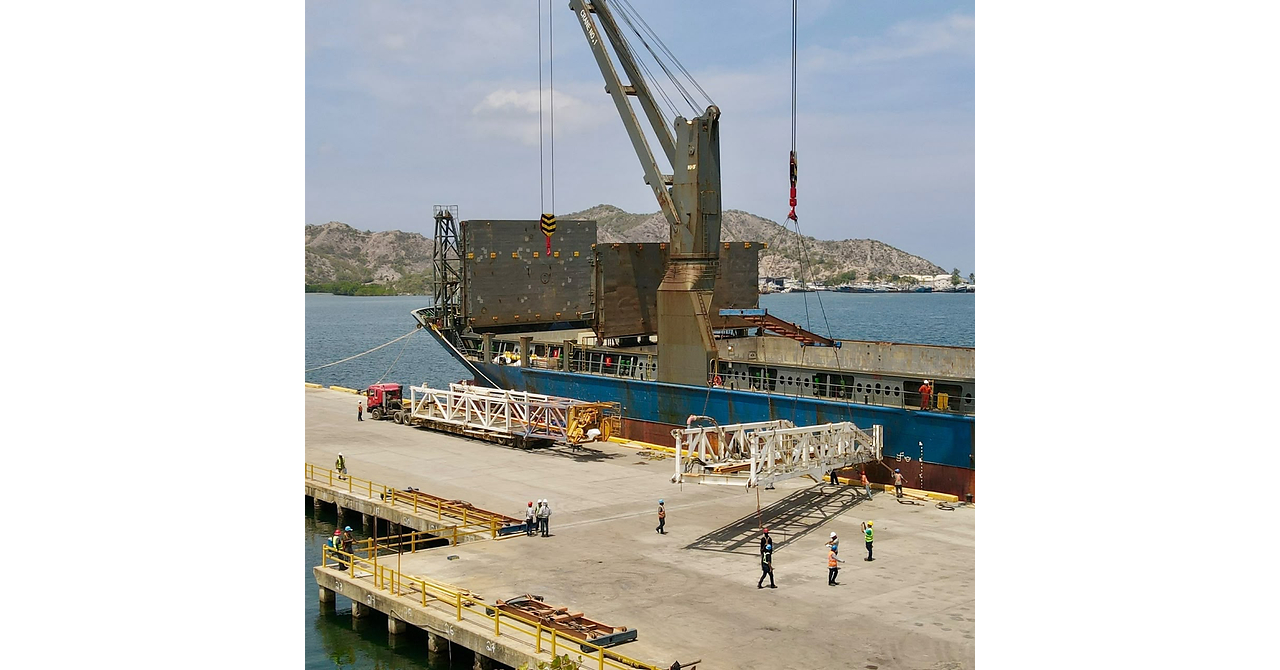
NABEP says it has increased Venezuelan oil production from about 18,000 to more than 200,000 barrels per day in two years, using approximately $1 billion in company-funded investment. It is deploying 11 new 550-horsepower workover rigs and has received two 1,500-horsepower drilling rigs; the company also says it acquired 60 drilling rigs, 30 steam boilers and 70 heavy-machinery units. Following an August 2026 agreement with the U.S. State and War departments, NABEP plans to invest nearly $100 billion and targets production above 1 million barrels per day.
Analysis
The investable signal is not the equipment count; it is whether NABEP can convert equipment into sustained, exportable barrels under a durable U.S. authorization. Workover capacity can arrest decline faster than new drilling adds supply, but neither a larger fleet nor management’s production claims establish field uptime, net output, or liftings. The reported production ramp should be independently checked against field-level data and export records before treating the one-million-bpd objective as a supply forecast.
Near term (days to weeks), little basis for repricing global crude: procurement and deployment are not incremental seaborne supply. Over 1–3 months, the key catalysts are the scope and durability of the U.S. agreement, sanctions/licensing details, and verified export flows. Over 6–18 months, successful scale-up could pressure heavy-crude differentials and compete with other heavy grades, including Canadian barrels; complex refiners able to process heavy crude may benefit if access and commercial terms permit. The upside for oilfield-service providers is less direct: equipment has already been acquired, and no supplier or contract awards are identified.
Contrarian point: the claimed reserve base and production ambition may invite a supply narrative, but infrastructure, diluent, power, maintenance, payment channels, and export logistics can bind before reservoir capacity does. Political or U.S. policy reversal could strand deployed assets and halt sales. No NABEP ticker is supplied, and there is not enough evidence for an outright crude or services trade today.
AllMind Terminal
AI-powered research, real-time alerts, and portfolio analytics for institutional investors.
Request TrialMarket Sentiment
Overall Sentiment
moderately positive
Sentiment Score
0.55
Key Decisions for Investors
- No immediate directional crude position on this announcement alone; treat it as a watch item, not confirmed incremental supply.
- Track monthly Venezuelan production and export loadings, plus the precise U.S. authorization and its revocation/renewal terms. Reassess only after sustained, independently verifiable volumes appear.
- If export growth is confirmed over several months, consider a risk-defined bearish position in deferred crude or a relative-value expression against heavy-crude-sensitive producers; size to policy risk and avoid assuming the one-million-bpd target.
- Monitor Canadian heavy-oil differentials and complex-refiner economics as second-order indicators; falsify the supply thesis if export volumes stall, field uptime disappoints, or U.S. permissions narrow.
More News
- Anthropic's third-quarter revenue is said to hit $16.8 billion ahead of IPO
- Elon Musk says Trump is 'ultimately' responsible for any curbs on Ukraine's Starshield systems
- SK Hynix seeks U.S. chip equipment exports to China tied to new factory
- Container ship sinks in Strait of Hormuz as Iran steps up attacks
- Oil Gains as Middle East, Russia Hostilities Imperil Flows
- Dell stock plunges 11%, leading data center sell-off on concerns about 'enterprise AI timing'